Home Blog

Do I Need A Child Safety Kit?

0

Nothing is worse for a parent than receiving an America’s Missing: Broadcast Emergency Response (AMBER) Alert for their child. While we don’t want the unthinkable to happen, we must be prepared for anything.

Child abductions are an increasing concern and child safety experts advise parents to be prepared with a child safe kit. However, you must be wondering, do I need a child safety kit with so many scams around?  To answer that question, you must thoroughly understand these child identification kits. 

What’s Inside A Child Safety Kit?

A child safe kit is an information packet containing essential details about your child. It includes the following:

  • Basic information card:
    • Full Name (first, middle, and last)
    • Nicknames
    • Birthdate
    • Age, Weight, Height, and Sex
    • Hair Color and Eye Color
    • Ethnicity
    • Unique and identifying features (glasses, birthmarks, scars, piercings, etc.)
    • Medical Information (doctor’s name, medications, allergies, blood type, etc.)
    • Emergency Contacts (Including a current address)
    • Fingerprints (You can use inkless fingerprints or a black inkpad)
    • Other notable physical characteristics to help identify your child
  • Most recent colored photo of your child (Candid photos are good since they show your child in a natural setting.)
  • DNA samples (They can be nail clippings, hair strands, bloody bandages, cheek cell samples, etc.)

Keep this information inside an envelope or a packet and store it away with other necessary documents in a safe place that you can access in case of an emergency. Hopefully, you never have to access this kit. 

The Purpose of Child Identification Kits

We hope this never happens but in case your child goes missing, a child safe kit will help law enforcement officials locate your child more efficiently. If you suspect your child has been abducted, call 911 immediately.

Unlike adults, you don’t need to wait 24 hours before a child is considered missing. An AMBER alert will be issued, and police officers will immediately scout the area and look for your child. 

To help their search, the police will require basic information and other identifying details about your child. A child-safe kit will be handy since you can turn it over and get the search going quickly. 

Where To Buy Child Safe Kits?

A child safe kit is normally available for free at your local police department. You can just request for one, bring it home, and complete it with your child. There are also printables available for free in the Internet that you can download and use.

However, if you want to purchase low-cost child safety kits, you can do so from legitimate retailers. Just be wary of scams who pretend to give you a free child-safe kit in exchange for personal information or an insurance sales pitch.

Don’t give your personal information or your child’s information online or over the phone. Scammers will probably ask you for your personal information in connection with an identification kit for children.  

If you decide to go the DIY route, your biggest concern may be getting DNA samples of your child. The process is very simple. Hair strands and nail clippings can be used as DNA samples. Ensure they are kept in a clean, labelled envelope. 

If you want a cheek swab, you can easily do this using cotton swabs. Just get a clean swab, remove one tip, then run it over your child’s cheeks and gums. Let it air dry and don’t let it come in contact with anything else.

Once dry, secure the sterile swab in an envelope for safekeeping. If this sounds too complicated for you, just get nail clippers and cut your child’s nails to get nail clipping samples. 

Are Child Safe Kits Worth It?

Every parent wants their child to be safe. The peace of mind that comes from knowing your kids are safe is priceless. We can’t watch out for kids all the time especially if they’re out playing with friends and we’re busy with our day-to-day tasks. It’s important to take precautions, like assembling a child-safe kit, to keep them safe. 

The AMBER Alert system has recovered 1,144 abducted children as of May 2022. Child safety kits play a big role in making this system seamless and fast. 

For more articles about child safety, you can visit our blogs at Be-Safe.
Can You Put Neosporin On A Cat?

0

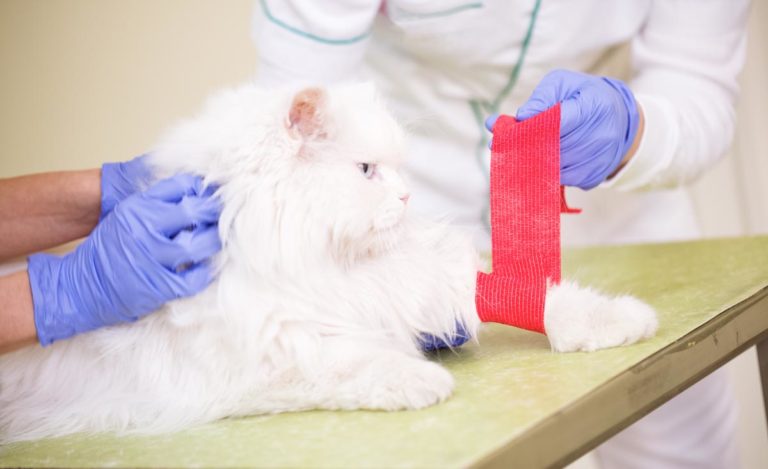
First-aid kits should always include Neosporin. It is a triple antibiotic ointment, and it’s great to have in your medicine cabinet, but should you use it on cats? The short answer is no. Neosporin can irritate their skin and cause allergic reactions in our feline friends.

If you want something to treat your cat’s wounds, you should always get an ointment from a professional veterinarian. You could also get a few other essentials that are great for feline first-aid.

There are also some at-home remedies that you can pull out in a pinch that your little buddy will surely be grateful to you for. 

Seeking Proper Help And Paying Attention To Signs

It cannot be stressed enough that you should always consult a veterinarian with any issues involving your pet before we get into what these are. Trusting their expert opinion when caring for your pets is always best. They are professionals for a reason.  

You can use these tips and tricks immediately to help your pet. Still, bringing them to a veterinarian is always a good idea, especially if the problem is more serious. If your cat is actively bleeding, apply gentle pressure to the wound with sterile gauze. 

Your goal here is to get the bleeding under control with the right topical ointments. Once you do, check your cat for any minor wounds. If they’re in too much pain, rush them to a professional vet immediately. 

If you find old wounds on your cat that are no longer actively bleeding, these are easier to deal with. So long as they aren’t deep or too big, you can clean them with a dilute antiseptic solution like povidone-iodine. Afterward, you can clean the wound with sterile gauze and saline solution.

Suppose you find superficial wounds that are deep or look like puncture wounds, clean them with an active ingredient like a saline solution. Next, bring your furry friend to an emergency clinic as soon as possible.

Building A First Aid Cat Kit

No one wants to see their pet in an emergency, but we should always be prepared for it. Cats need a first-aid kit, but placing Neosporin in it will probably not help. The first thing that should always be there is the number of the closest veterinarian and emergency clinic in your area. 

Having all the information on your cat is vital when getting their proper treatment for a speedy recovery and healing. You should have their vaccination history, important medical records, a photo, and their microchip number if they have one.

For your at-home first-aid cat kit, stock it with sterile gauze squares, clean cloth, pain medication, and non-stick or telfa pads. You should use blunt-ended bandaging scissors if you intend to keep them there.

Povidone-iodine and saline solutions are important for cleaning wounds. The last thing to have for external injuries is an e-collar or pet cone to keep them from messing around with their wounds.

Additional equipment that you could look into getting includes a rectal “fever” thermometer and a water-based lubricating gel for using it. When using it, remember that cats have a normal temperature of 102.5 degrees Fahrenheit.

Keep An Eye Out

Much information is floating out there about how to care for your pets properly. You can provide your hairy companions with the care they need and deserve by keeping yourself informed and aware of the dos and don’ts.

Read through our resources at Be-Safe to know more about peppermint oil and its effect on fleas for useful pet owner tips that could help.

Best Safety Door For The Home In 2022

0

As a refuge from the world, our homes are our safe-havens. Feeling safe in our own houses is important and an extra layer of protection should be in place in order to maximize our security.

However, there are so many security options out there nowadays, whether it’s adding smart locks, Google Assistants, window sensors, or motion detectors, keeping a home safe for you and your family is of utmost priority.

Home security doors are another simple, elegant, and easy way to add a little extra security to our homes. It goes beyond Google Home, Amazon Alexa or Google Assistant– home security is about integrating better systems and less about DIY installations.

Doors with motion sensors and integrated smart home security systems are a lot easier to install and get into if you’re looking for a mix of security products, but how do you go about choosing one? 

Prime-Line Security Door

Prime-Line Security Door

This stylish door by Prime-Line is made of sturdy steel. It features a 24-gauge perforated steel mesh, a 1″ by 1″ welded steel frame, and three heavy-duty tamper-proof hinges.

As for the design, it is a Woodguard door with a traditional screen door look and is stained with a light oak finish. Amazon’s page features a how-to video showing how to install the door, ensuring ease of installation from start to finish. The following are the door’s dimensions:

  • Mount frame: 3-piece 1.25″
  • Dimensions: 36″ by 80″
  • Frame 39″ by 81.5″
  • Bore: 2.125″
  • Backset: 2.375″ 

Precision Screen & Security Prod

Precision Screen & Security Prod

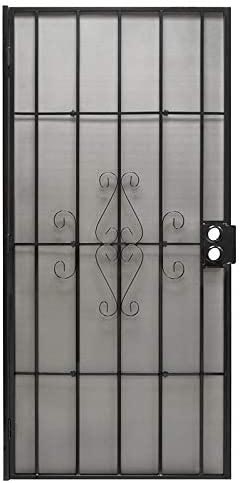
The door here is specifically from the Regal series of this manufacturer. The dimensions of the door are 38.5″ by 81.5″. It features a black steel security door with classic welding in the center.

The door has extra features like a full-length fly strap that keeps out intruders and expanded steel mesh. The door hardware is mounted with one-way screws. The package comes with the following dimensions:

  • Tubular steel door frame: 0.75″ by 0.75″
  • Hinge bar: 1″
  • Striker and header bar: 1″
  • Double lockbox: 2.125″ bore; 2.375″ backset.

Viz-Pro Quick Mount Steel Security Door

Viz-Pro Quick Mount Steel Security Door

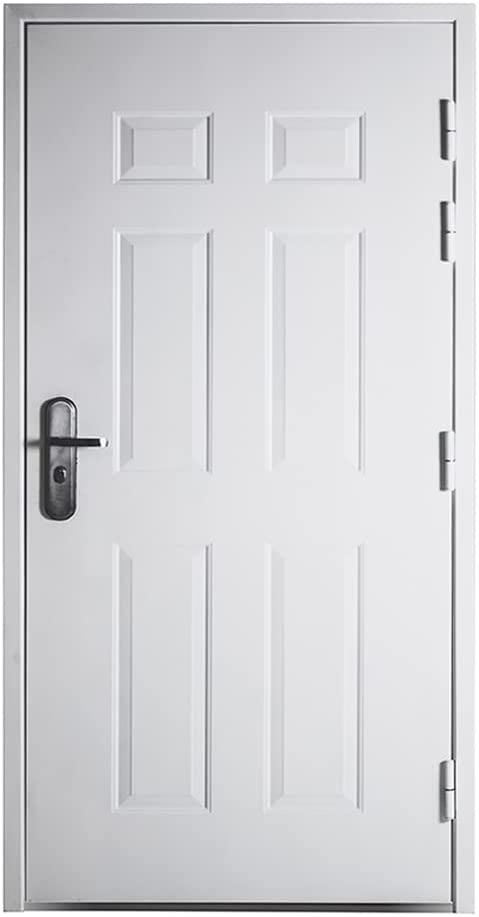
This white security door has a frame size of 34.625″ to 37″ by 81.6875″. It has hinges on the right and the knob on the left when viewed from the inside. 

The product includes a frame, stainless steel handles, four heavy-duty lift-off hinges, and a lock with a 9 to 12-point locking system. There is also an anti-jemmy lip around the frame.

The 0.0625″ frame has built-in steel strengthening, and the 2″ thick door leaf is filled with fiberglass or mineral wool. Lastly, this door has a reinforced panel for a friction stay or door closer, a threshold that is easy to take off, and weather sealing.

Windows Of Opportunity

These are just a few of the doors that are available to you on the market. All three of them also have the added bonus of simple installation. Any one of these is top-of-the-line security equipment that can reliably protect and guard your home, leaving you worry-free.

However, getting a security door is not the only way to provide you and your family with more security. Ensuring you have a smart home like voice control and entry sensors in various parts of your home is another way to elevate your smart devices’ security protocols. 

Another opportunity to enhance smart home systems is to read more about security products. You may also subscribe to professional monitoring plans or pay monthly monitoring fees to get more protection in certain parts of your home. 

For more extreme scenarios like those restraining orders or those with big families can also consider different security solutions that go beyond smart locks and window sensors. This means hiring security detail, especially if you have a large home or tend to attract a lot of unwanted attention. 

If you’re not keen on replacing an entire door, getting locks for existing windows and doors can go a long way. Learn more about sliding door locks for a child-safe home, read through our blogs at Be-Safe today! 

Best Kitten Litter Box For Cat Owners

0

One of the first things you need to put your kitten or cat through is litter box training. There’s a chance that some cats or kittens already know how to use a litter box, but if they require a little nudge or some assistance, then getting one that suits them can help immensely.

This is also helpful when you’re introducing your cat to a new environment. Having a designated place for them can make the adjustment a whole lot easier.

In order to help cat owners with their needs, Be-Safe.org has compiled a few products that could just be the perfect litter box for your feline friend.

Van Ness Kitten And Cat Starter Kit

Van Ness Kitten And Cat Starter Kit

The Van Ness kit is great for when you’re new to being a pet owner. It comes with a framed litter box that’s 19 x 15 ⅛ x 7 ½ in dimension as well as a litter scoop to pick up any type of litter from your cat.

There is also a double-sided feeding dish for cat food, a water bowl, and a 12-ct box of litter liners. The items are made from high-polish, BPA-free plastic and are quite durable. This material also makes the set fairly easy to clean.

IRIS Open Top Litter Box With Shield & Scoop

IRIS Open Top Litter Box With Shield & Scoop

This cat litter box is a little more closed off and can be great for pets that are a bit shy. It is compact, with a recessed bottom and molded-in feet, making it easy to place in all sorts of different spaces.

Due to the open-top design, your cat or kitten can easily access it while you can clean it. The walls are also fairly high, which should help stop unwanted litter spray and keep the outside of the litter box clean.

The box and matching litter scoop are made of high-quality plastic and shouldn’t be too difficult to clean up. Overall, this box is fairly easy on both you and your furry friend.

Petmate Arm & Hammer Large Sifting Litter Box

Petmate Arm & Hammer Large Sifting Litter Box

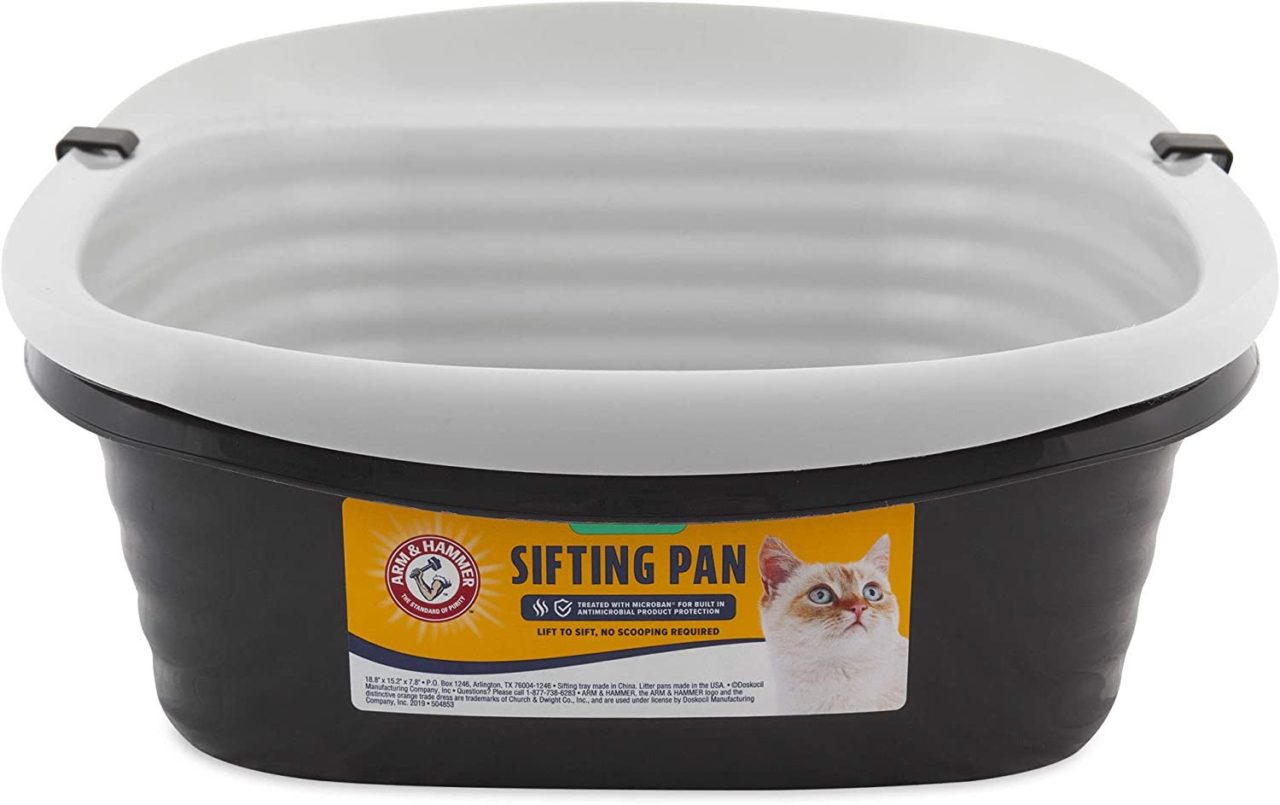
This next box doesn’t come with a scooper like the other two and instead features a sifting box. It comes with one of those and two regular boxes as well. The idea is that the sifting lets loose litter pass through while leaving solid clumps of cat waste behind, which should eliminate the need for scooping. 

The box is made of recycled materials, so it’s advertised as environmentally friendly. The company that makes these boxes prides itself greatly on this fact. The box is built with micro ban protection to inhibit the growth of odor-causing bacteria for odor control.

For this to be at its maximum effectiveness, the litter would need to be replaced with clean litter regularly and the box would need to be replaced every 12 months. Anyone who had to deal with litter box odors would tell you that this is a good feature not to overlook.

Cat Owners Clean Up!

These are just a few of the litter boxes that are available on the market for you to choose from. The important things to keep in mind are durability, ease of cleaning, and size as well.

Last but not least, kittens rarely stay kittens for long. It’s not always right to assume that one size fits all. It’s always important to make sure that you’re buying the right box for the right pet.

If you’re a pet owner looking for more helpful pet products for your home, then read through our resources at Be Safe to know more about the pet-safe doggie doors on the market.

Water In Basement: Dos And Don’ts

0

Wet basements are a nightmare for any homeowner. They can be difficult to deal with and, in many cases, compromise your health.

These two reasons are why it’s important to deal with wet basements immediately. The best way, however, remains to prevent it from happening in the first place and keep your basement dry. Otherwise, you’ll end up dealing with structural damage and mold growth through concrete walls.

One of the biggest determinants of whether or not your home is at risk of having a flooded basement is the area that you live in. The first step is always to check how at-risk you are.

That being said, all basements with concrete walls can flood. When water outside the concrete accumulates, it applies pressure to it, known as hydrostatic pressure. Eventually, as this pressure increases, the concrete cracks, causing water to rush into the basement and flood.

To avoid this, waterproofing and drainage are two things to keep in mind. There are many things to consider when investing in this. Thus, learning and remembering what to do and what not to do is important. 

Do Proper Research

There are three main ways to waterproof your basement. Those methods are interior waterproof sealants, exterior waterproofing, and drainage. Each has its use and should be applied in different situations.

It all depends on the home’s circumstances. This should always be carefully determined before settling on any one method.

Do Find The Leak

One of the first things to do when fixing a leaky basement is to cut off the source of the leak. Unless the leak is stopped, the basement will flood again at some point, which is why preventing it is so important.

Do Keep Drains/Gutters Clear

Keeping these clean should be a regular and scheduled activity. If the water were to build up and then dump into the foundation, that could cause serious structural damage. Always keep them clean of debris and check for clogs that need to be cleared immediately.

Don’t Rely On DIY Sealants

Sealants you buy from the store can be useful, but these should always be treated as temporary solutions. Whenever a problem arises, don’t always rely on temporary fixes. The first time that it floods take appropriate immediate measures, but always go for a long-term plan that protects the entire basement.

Don’t Ignore Leaks

Don’t ignore leaks, no matter how small, even if your finished basement hasn’t flooded yet. These leaks could be small signs of much bigger problems. Even if they aren’t, they can quickly grow to become one themselves.

Once you find a leak, deal with it immediately, and, as we previously stated, don’t settle for temporary solutions. Always fix things with the long-term in mind.

Don’t Let Water Be Directed To The Foundation

The downspouts, rain gutters, and anything else that’s supposed to direct water away from your foundation should never do so. Always throw these away so water doesn’t build up around your foundation. This is key to having proper drainage. 

Do Stay Informed

As with anything concerning safety, your best shot is to keep your head straight and remain informed. Stay up to date and informed on all things health and safety.

If you’d like more dos and don’ts just like this, read about general safety tips one should know in their home and even in their place of work at our blogs at Be-Safe.

Best Safety Box To Have In The Home

0

The digital age continues to advance, but there are still physical valuables we want to preserve, such as birth certificates. For this reason, possessing a strong and reliable safety deposit box remains more important than having an insurance agent as an option. 

Throughout the pandemic, you probably spent most of your time at home and probably had very little to worry about regarding the valuables in your house. However, as things calm down more and more, the time we spend outside continues to increase, and our valuables are again at risk.  

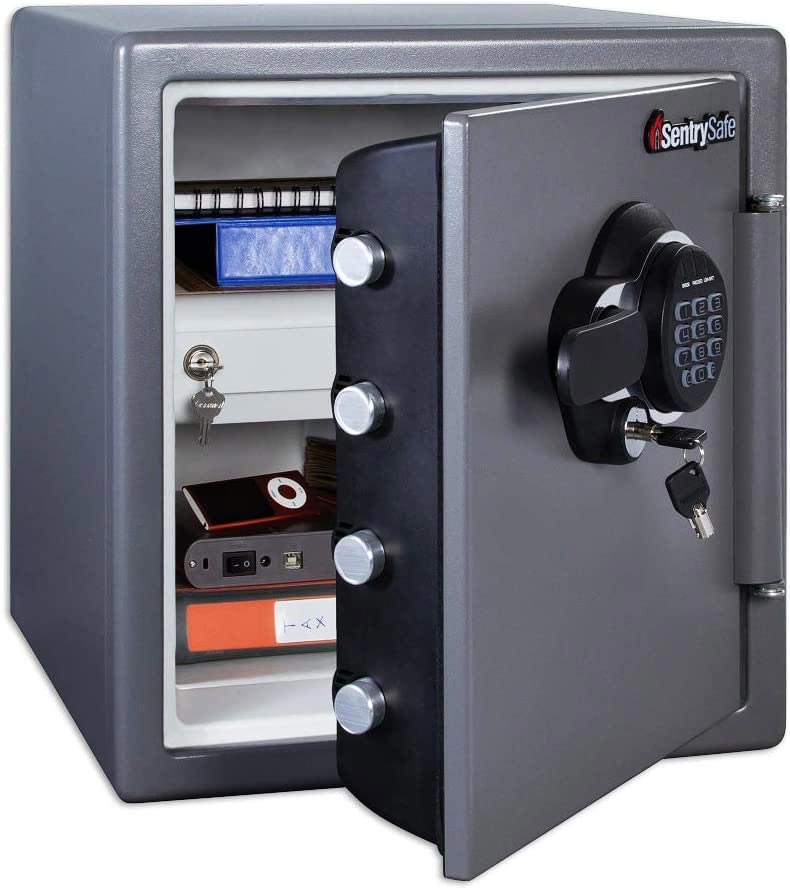
SentrySafe SFW123GDC

SentrySafe SFW123GDC

This is one of the heavy-duty safe deposit boxes built to withstand temperatures up to 1700°F. This model is reported to be able to survive falls of up to 15 feet and keep out water up to a foot deep. 

The Sentry Safe comes with both a combination lock and a digital keypad. Each one also comes with a spare key that can open the safe manually. The storage space size that this safe security offer ranges from 0.82 to 2.05 cubic feet.

Regarding security features, the safe has four live-locking bolts and a pry-resistant hinge bar. Additional features also include a locking drawer and an interior light. The safe is made entirely of steel and weighs roughly 87 pounds.

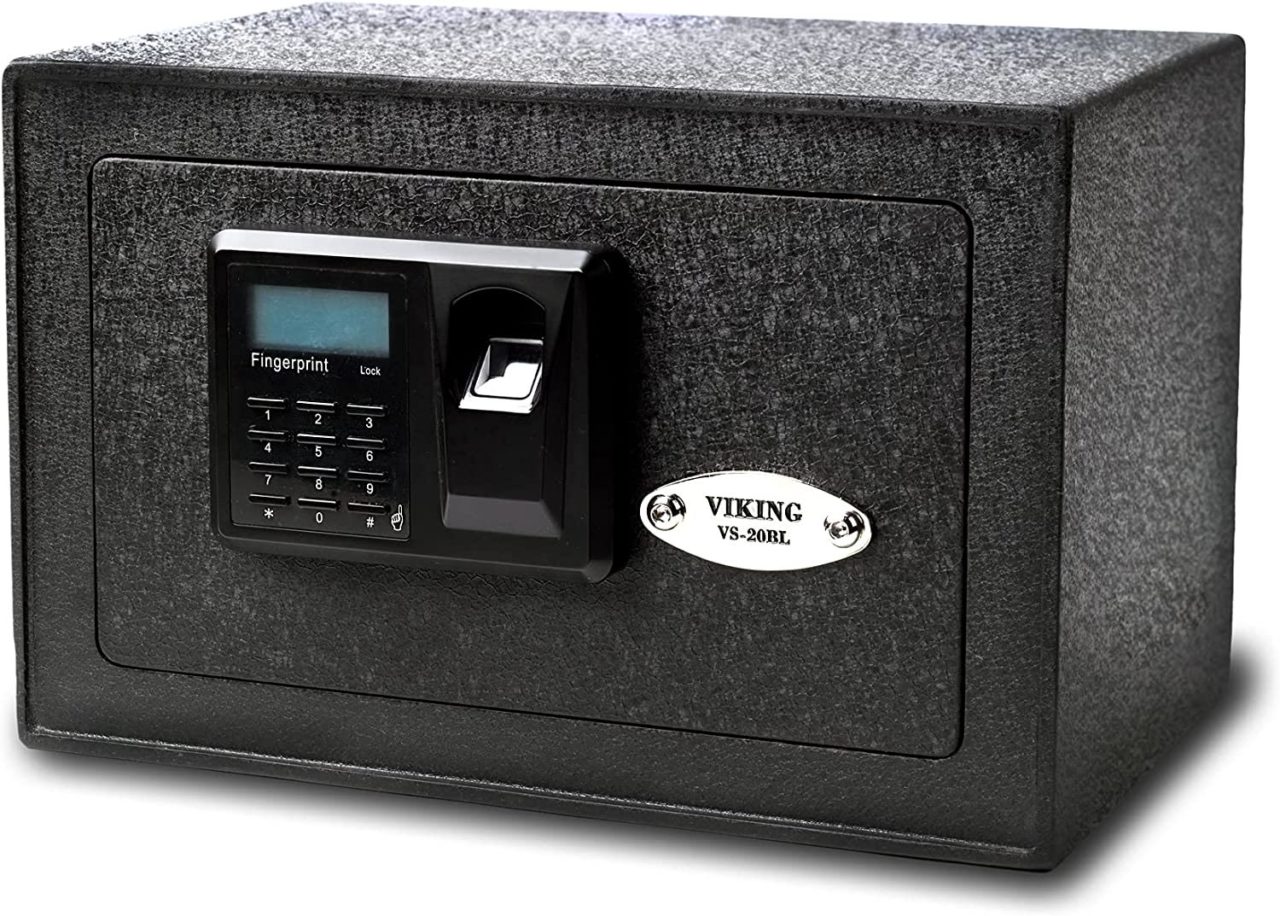
Viking Security Safe VS-20BLX Mini Biometric Safe

Viking Security Safe VS-20BLX Mini Biometric Safe

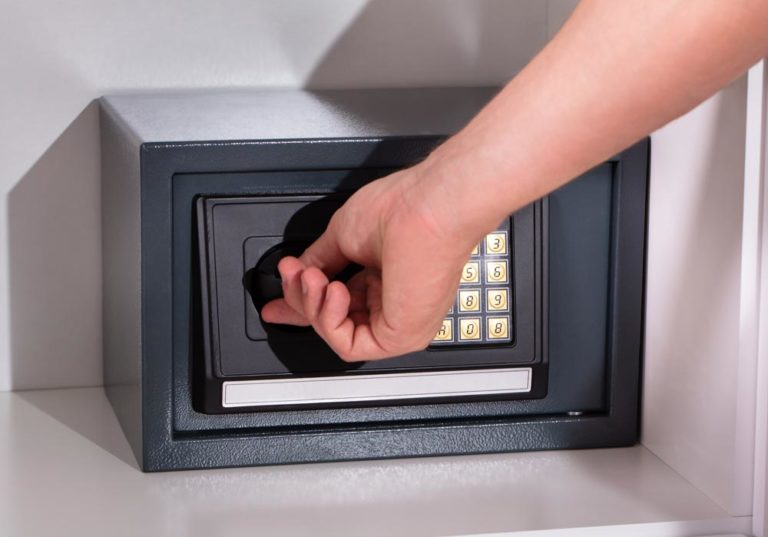
This one features fingerprint, passcode, and key entry access with a motorized deadbolt. It is extremely tough despite being relatively lightweight. However, this might not be the brand for you if you’re looking for fireproof or waterproof safes. 

It has an interior dimension of 0.32 cubic feet and an exterior size of 0.48 cubic feet. The safe has a 20-millimeter steel deadbolt. Passcodes can be set to four to eight digits, and the fingerprint scanner can hold up to 32 fingerprints. The model can also be bolted to your wall or floor.

Lastly, the safe is made of alloy steel and weighs around 18 pounds.

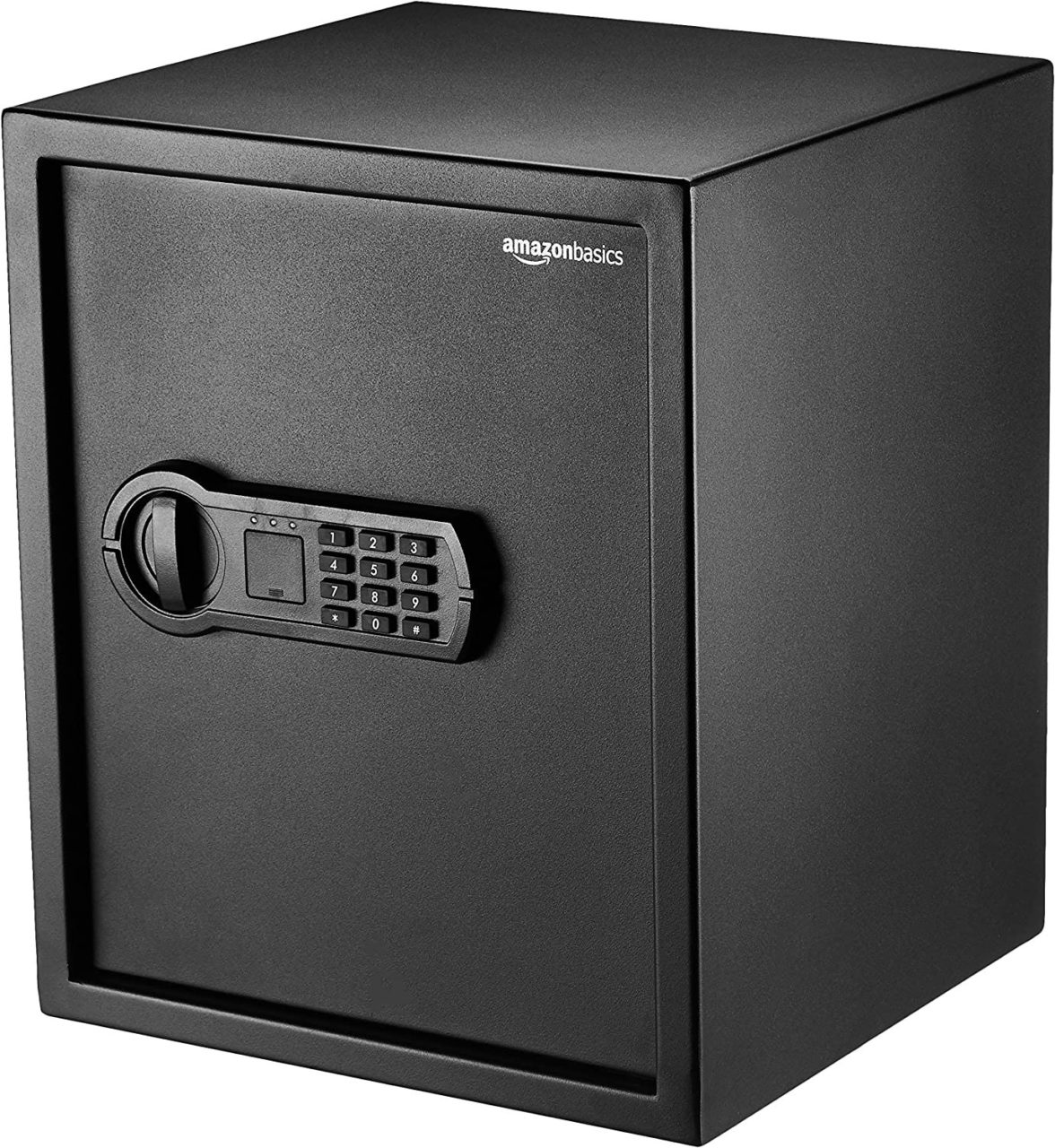
Amazon Basics Safe

Amazon Basics Safe

The Amazon Basics is a good budget safe that offers very good security. It has an 8-gauge steel door and a pry-resistant hinge. It is also an extremely heavy piece, given its smaller size. However, it is not fireproof or waterproof.

The safe has less than two cubic feet of storage space, but it weighs almost 40 pounds. This makes it ideal for smaller valuables like jewelry and small family heirlooms. 

This product is made of heavy-duty carbon steel and can be mounted on a wall or the floor like a bank vault. It is opened with a key-less electronic lock and features a shelf on the inside.

A safe’s resistance to the elements, weight (or whether it can be mounted), and lock quality should all be considered when you search for one online. Safes that feature all three tend to be pricier, but they offer the best protection in most circumstances.

It is worth noting that irreplaceable documents and personal papers should be kept in waterproof safes as they are the most susceptible to water damage.

Read through our blogs at Be-Safe today to know more about the safety deposit boxes, fireproof safes, and the best safety supplies. 

Internet Safety For Kids

0

You can provide your children with a wealth of information through the internet. Not only that, it can even be akin to an entirely different world. The Internet offers countless opportunities for learning, hobbies, skills, video games, and even social interaction, but it also carries its own dangers.

Children are incredibly fast learners. In many cases, they could even be more tech-savvy than some adults. However, this does not keep them away from all risks. No matter how intelligent the kid may be, online dangers are still something they’ll need to watch out for.

As a parent or guardian, it can be beneficial to speak to your child about these dangers. Knowledge is the greatest weapon to ensure your child’s safety. They can become more responsible and capable while staying safe by learning what’s out there and how to avoid it.

Dangers Online 

The internet can pose many different kinds of dangers. Content that is inappropriate, misinformation, malicious pop-up ads, and mean-spirited people, as well as scams, viruses, and criminals trying to harm or take advantage of them, are just a few examples.

That being said, it’s important to note that it is unlikely for your child to encounter all of them, but informing and preparing them is still an important step to take.

Some parents are inclined to set parental controls and block inappropriate content. Setting time limits for iPad use is another approach you can use on toddlers to limit exposure to online risks.

Risks And Repercussions

Shifting the focus back to the real world, there are also potential dangers that can arise physically. Misuse of a computer, a mobile device, or any other digital device can lead to complications.

Eye strain, wrist strain, and other similar conditions are the most common. You can prevent this by teaching your children how to use their devices correctly and responsibly.

It is also important to address the social side of internet use. Teach your child the importance of understanding social pressures and the mindset that they should have with things like social media apps.

Sites And Sources

The next thing to speak to your child about is where these dangers can come from. These threats can come from anywhere, but especially on platforms where your child can interact with strangers.

This includes online games and social media. It is important not to completely restrict your child’s access to these services, but to teach them how to use them safely.

Securing Their Online Safety

Lastly, let’s take a look at a rundown of what to teach and talk to your children about their general use of the internet.

What Are The Kids Doing Online?

It’s important to respect your child’s privacy, so don’t spy on them behind their back. Talk to them in a safe space and ensure them that they can trust you enough to tell you what sites, services, or entertainment they use, visit, or consume.

This will give you a better idea of what your child does and can help you understand how to help them and how to step in to make sure they’re safe.

What They Shouldn’t Be Doing Online

As with teaching them how to act in real life, you should teach them how to behave online as well. Teach them what websites are dangerous and why they should avoid them.

Explaining to children why these places are dangerous is extremely important. Children are curious and they’re also intelligent. Don’t assume that keeping them in the dark is the best way to keep them safe.

Ignorance and a lack of education are two of the biggest contributing factors to why these things continue to cause problems online. Make sure they understand how valuable their personal information is.

Let them know that their online privacy should be protected and that they should never share their personal details with any stranger online. The same should also apply to sensitive information like pictures, addresses, and especially things like bank details.

You should always tell them to come to you first before entering their information on a website or service. Take a look at what program or site is asking for it and double-check whether or not it is safe for you or your child to do so. 

As stated time and again, the best defense your child has are their lines of communication with you. If they have any questions or concerns, make sure they can reach out to you so that they can make their own informed decisions. This is the best way to ensure their digital safety.

If you’d like more helpful tips on how to keep your kids safe, visit Be-Safe today!

Line Of Fire Hazards

0

You may have heard of the line of fire in certain hazardous work environments. You could have probably guessed that it referred to something dangerous and that you should avoid it.

Although it may not seem intuitive at first, it’s important to know what it is and avoid certain accidents and injuries from happening as much as possible.

What To Know About Line Of Fire Hazards

When you are in the line of fire, you are in danger. When someone is in the path of a moving object or some form of hazardous energy, they are in the line of fire. Different types of accidents and incidents can occur as a direct result of being in the line of fire in certain jobs.

On the construction site, for example, it’s a must never to position or let workers be underneath a cargo being lifted. Workers may be injured by being struck by, struck against, entangled in, beneath, or between the pipe and other circular tools and supplies.

Another example is working in butchery with equipment that rotates and can harm hands and fingers. This is a line of fire hazard since it can entangle and pull into the machine other objects like workers’ clothing during the job.

Using the right technical controls, such as guards to avoid contact with rotating machinery, can reduce line of fire threats.

What Are The Types Of Line Of Fire?

The three major categories of incidents are caught-in or between incidents, struck-by incidents, and released energy incidents. Some of which include:

Caught-in Or Between

These incidents occur when somebody is caught in or between something or two opposing objects. An example of this would be someone getting their foot stuck in a grate or a crevice or when a person is pinned to a wall by a vehicle or mechanical equipment.

Struck-by

These incidents occur when someone is impacted by something larger in size or stature. A very common example of this would be pedestrians getting hit by cars or construction workers suffering head injuries from getting hit on the head by falling objects.

Released Energy

A simple definition of released energy is when energy, such as heat or electricity, is released in a person’s direction or when they are directly exposed to it. An example would be a pipe bursting, releasing scalding steam, or a live power line arcing electricity.

How Can You Avoid These Deadly Hazards?

The best way to avoid these hazards is to eliminate them in the first place. In this case, there is no risk of injury from them.

In cases where you can’t eliminate the source, certain engineering controls are in order. Physical barriers could prevent people from being in the line of fire.

Two things aim to eliminate hazards and risks but are not always successful. It’s crucial to know that it’s plausible for these preventive measures to fail.

Thus, it is for this reason that your last line of defense is not in the line of fire in the first place. This might seem fairly obvious, and it is, but it can not be understated. Anywhere from 80-90% of all workplace accidents occur due to human error.

To avoid getting in the line of fire, everyone needs to be aware of their surroundings and the work around them. Work with the mindset that anything can happen at any time to ensure your safety and the safety of those around you.

Awareness and mindfulness are the keys to safety from being in the line of fire. If you’d like to know more about safety measures at work, visit Be-Safe.org today. 

How To Keep Safe As A College Freshman

0

Many students view college life as a time when they stretch their boundaries in their university, connect with new people, and experience freedom for the first time. In many cases, this will involve attending parties and going out with friends.

These depictions of carefree nights out minimize the risks associated with parties. A Friday night out can be detrimental to your mental and physical health if you don’t establish your limits and take precautions.

Despite not always anticipating danger, you should always be ready in case something should happen. Despite feeling like you know everyone on your college campus, you don’t always know who you can trust.

Safety Tips For College Freshman

From 2005 to 2019, percent of college students who reported criminal offenses declined by 48%, according to the U.S. Department of Education. Even so, students shouldn’t let their guard down.

Nearly 35,000 crimes were reported on campus nationwide in 2019. Taking a few precautionary steps can increase your chances of being safe in university while having a memorable time. 

Don’t hesitate to leave uncomfortable conditions early if you feel unsafe. Talk to your friends about unpleasant situations that may require a safety plan. To take responsibility for your safety, you can take the following steps:

Choose Your Friends Carefully

Those who are true to you will never intentionally put you at risk or ask you to do anything dangerous or reckless. In many ways, toxic people pose a threat to your safety. When someone has your best interest at heart, they will not put you in place or risk getting harmed and will always keep your safety in mind.

Be Careful When Drinking At Parties

Students aged 18-24 suffer approximately 1,800 alcohol poisoning deaths, 700,000 assaults, and 100,000 sexual assaults each year due to alcohol-related incidents, according to the National Institute on Alcohol Abuse and Alcoholism.

Most date rape drugs have no smell, color, or taste. Your drink could be tampered with if you leave it unattended. It’s best to keep your drink nearby so you don’t ingest a foreign substance.

Drink plenty of water and prepare meal plans before going out. In addition to giving you the energy you need, it will also reduce the effects of alcohol afterward.

Always Keep Your Phone Charged

Add the campus safety phone number to your contacts list and keep your phone fully charged. The phone will be charged, so you can quickly call for help in an emergency.

Utilize On-Campus Resources

Students experiencing difficulties in college can get help from therapy groups or sessions with student volunteers. Several universities also offer educational programs, facilities, and mentors to help students deal with university-related issues. 

This will help you establish a network in your campus community that you can rely on in times of need.

Always Carry The Essentials

Make sure you have your ID, phone, keys, and any cash or credit cards that will fit conveniently in your pocket when going out. Having enough money or a way to contact help is important in case you get stuck somewhere.

One of the most rewarding experiences in life is attending college. Keep your awareness and stay safe as you adjust to independence, learning, and new friends.

The tips listed here protect not only you but also help others. The best action is to take action if you see something potentially dangerous, whether speaking up or seeking help.

Top 5 Reasons to Hire a Locksmith for Your Rental Property

0

Are you wondering if it’s worth investing in a professional locksmith company? This article has all the answers you need about locks for your rentals. These days it’s easy to get a DIY solution for nearly any home project, making people think they do not need professional services.

However, this article highlights the top 5 reasons to hire a locksmith for your rental property. We’ll also be discussing what to do if a tenant is locked out and the best locks for your rentals. 

Types of Locks for Your Rental

Kwikset

Kwikset locks are one of the most common on the market. Their design is suitable for rekeying purposes, so you can easily change the locks when a tenant moves out. They come pre-installed with a learning tool that resets the locking mechanism after inserting a new key. Your Kwikset then learns from the new compatible and renders other keys ineffective. If you hire a rental management company to secure your property, you might find that they’re familiar with this system.

Keypad Locks

Keypad locks substitute the regular key system for a keypad with a unique code. Thus, as long as you and your tenants keep the code a secret, your house remains secure. Another reason this lock is a great security system for a rental is that you can also generate one-time passwords for maintenance specialists who need access when no one is home. 

Landlord Locks

Like the other locks we’ve mentioned, it’s relatively easy to reset access with landlord locks. This mechanism works by replacing the inbuilt cylinders, which require a different key to open. The crucial difference between this option and others is a master key that works with each configuration you order. 

What to do If a Tenant is Locked Out

There are several reasons a tenant might find themselves locked out of their apartment and have no choice but to call you. They might misplace their wallet, break their key, or accidentally lock themselves out of their unit. Either way, such calls often mean you have to abandon whatever you’re doing and be of aid. 

However, some options let you grant tenants access without moving a muscle:

  • A code-protected dropbox:  These physically drop boxes where you can pre-insert a spare key to the apartment. Since they operate with a code, you can disclose the password to the tenant when they need it.
  • Upgrade to a touchpad system: You could upgrade to a touchpad system rather than investing in a code-protected dropbox. These are similar to keypad locks and grant renters entry once they know the password. 

Benefits of Professional Locksmith Services

Expert Knowledge 

One of the most obvious benefits of hiring a locksmith for your rental property is talking with an expert. Like other professional services, locksmiths require extensive training and certification to perform their jobs efficiently. As a result, they’re more familiar with your rekeying and replacing broken locks. While it might seem more reasonable to Google DIY tricks on how to change your locks, you lose valuable time in research and action. On the other hand, a professional could have your doors ready and secure in minutes. Apart from the expert knowledge or service provided by professionals, you can also ask them some of your most pressing questions. 

Top-notch Tools and Equipment

If you decide to fix your locks with DIY tricks, you’ll also need the right tools for an efficient job. Unfortunately, some of this equipment is quite expensive and would counteract the net ROI. However, professional locksmiths benefit significantly from investing in this hardware and won’t charge you for bringing them along. As a result, their work is more likely to be more refined. Thus, when you have a stand-by expert, you know someone is always ready to come by with the right tools in hand. 

24/7 Emergency Response 

Sometimes you don’t have time to experiment with your locks in the case of an emergency. For example, if a tenant is locked out or has their key stolen, you’ll need access as soon as possible. Instead of tinkering around with the locks, you can quickly call a locksmith to fix the problem. Establishing a relationship long before those 2 am emergencies can help you save a fortune from the exorbitant prices of first-contact calls. Besides, it also means you’re less likely to pay a premium on upgrades and other services. 

Additional Security Services

Professional locksmiths rarely specialize in changing locks only. They offer a vast range of services, including car locks, home security systems, and surveillance cameras. Thus, they can help if you’re dealing with issues like a mobile lockout or need an opinion on what security system to install. 

Latest Safety Tips

Finally, we highly recommend hiring a professional locksmith in your rental because you get access to the latest safety tips. Burglars, vandals, and other criminals continuously refine their techniques to break into your home. The only solution to that problem is to remain one step ahead of them by upgrading your locks and alarm systems. As professionals, locksmiths are more likely to keep up with the latest safety trends. Thus, establishing a relationship with these experts could help you combat security threats. 

Conclusion

We hope you found this article on the top 5 reasons to hire a locksmith for your rental property useful. It’s never a bad idea to establish a professional relationship with an expert that knows their stuff. It saves you the trouble of purchasing the necessary tools, and you also have access to the latest safety tips and additional security services.

5 Best Pet-Safe Doggie Doors

0

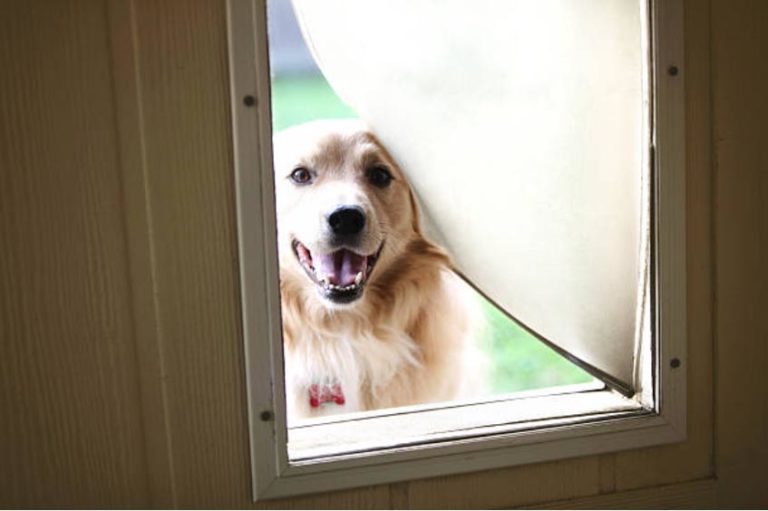
Doggie doors are a great way to allow your pet to come and go as he pleases in your home while keeping them safe and secure. However, with so many types of doggie doors on the market, it can be difficult to determine which one is right for you and your pet.

Pet-Safe Easy-to-Install Dog Door options have an affordable price, perfect for every type of pet parent. Check out our top five picks we recommend for anyone’s dog:

1.Pet-Safe Plastic Pet Door

The PetSafe Plastic Pet Door is an affordable and easy-to-install pet door. It has a soft, flexible, and lockable flap that makes it convenient for your pet to enter and exit. Plus, a magnet is at the bottom to keep it shut when your pet isn’t using it.

This classic Pet-Safe pet door is a great option for those who want a simple and effective way to give their dog some extra freedom. You can also purchase separate replacement flaps if the original gets worn out.

2. Pet-Safe Electronic Smart Door

If you’re looking for a little more security, an electronic dog door might be the right choice for you. The PetSafe Electronic Smart Door uses sensors to unlock the door only when your dog is nearby, so you don’t have to worry about unwanted guests entering your home.

They’re also great for keeping other animals out, like stray cats or wildlife. Moreover, it uses 4D cell batteries and comes with a three-way lock.

3. PetSafe Sliding Adjustable Glass Pet Door

If you have a sliding glass door in your home, there’s no need to go through the hassle of installing a separate pet door. Instead, you can get a sliding glass pet door that fits right into your existing doorframe. The PetSafe Sliding Glass Pet Door is an affordable and versatile option that comes in various sizes.

These doors are made with tempered glass, so they’re durable and safe, and they offer a great way to give your dog some extra freedom while keeping your home secure. They are also energy-conserving, so heat and cold won’t easily escape or enter your home.

4. PetSafe Window & Porch Screen Pet Door

If you live in an area with many bugs or other pests, a screen door might be the best option. These doors have a mesh screen that lets your dog come and go while keeping insects and other critters out of your home. 

The PetSafe Window & Porch Screen Pet Door is easy to install and can be used on both doors and windows. It has slide locks that keep heat inside your home. It also makes for a great patio dog door.

5. PetSafe Extreme Weather Energy Efficient Pet Door

For those who live in places with extreme or erratic weather, the PetSafe Extreme Weather Energy Efficient Pet Door is the best choice for you. It’s an energy-efficient dog door with a three-flap design making it 3.5x more environmentally friendly than single-flap doors. 

The design is perfect for keeping hot air in and cold air out. Moreover, it also comes with a separate outdoor closing panel for extra weather protection.  

Keep Your Pets Safe with a Pet-Safe Door

No matter which type of pet door you choose, be sure to measure your pet carefully before purchasing to ensure a perfect fit. You should also consider the climate in your area and whether you need an insulated door to keep your home warm or cool. 

With so many great options on the market, there’s sure to be a pet door that’s perfect for you and your furry friend. Learn more about keeping your home safe by skimming through our resources at Be-Safe. 

When Can Kids Sit In The Front Seat?

0

Parents and kids have always asked, “when can kids sit in the front seat?” The answer, as with most things related to car seats, is “it depends.” There are a variety of factors to consider when deciding where your child should ride in the car. 

When Can Kids Sit In Front

Consider the age of your children when determining when they can sit in the front seat. The general rule of thumb is that children under the age of 12 should ride in the back seat. However, there are a few exceptions to this rule, including:

  • If the car only has two seats
  • If all other seating positions are already occupied by children under the age of 12

Only in these cases can an older child be permitted to sit in the front seat.

Another factor to consider is the child’s height and weight. Many car seats have height and weight limits. If a child exceeds the height or weight limit for a particular seat, then they will need to move to a different type of seat.

Child safety seats are usually placed in the rear seat and not the front passenger seat.

Other Seating Options

Rear-facing child safety seats are the safest option for young children. They should be used until the child reaches the maximum height or weight limit for the seat.

After that, they can be transitioned to a forward-facing car seat. Forward-facing car seats are also safe for children, but they should only be used once a child has outgrown rear-facing car seats.

Forward-facing seats come with either harnesses or shields, and both options are considered safe. Once again, there are height and weight limits for these seats, so children will need to move to a different type of seat once they exceed those limits. 

Booster seats are the next step for children after they outgrow their front-facing car seats. Booster seats raise the child so that the seat belt fits properly. They should be used until the child is big enough to use a seat belt without a booster seat.

Once children are big enough to use a seat belt without a booster seat, they can graduate to just using the adult seat belt alone. However, it is important to make sure that the seat belt fits properly.

The lap belt should fit snugly across the child’s thighs, and the shoulder belt should fit across the chest. If the seat belt does not fit properly, then a booster seat may still be required. 

Don’t Underestimate The Power Of Car Seats

Car seats are crucial for those traveling with children because they protect kids in the event of a car accident. They keep kids in place in the event of a collision and prevent them from being thrown around.

Car seats provide support for a child’s head, neck, and spine. They should be used until the child outgrows them, at which point they can transition to a booster seat or just use a seat belt on a regular seat. 

It is imperative that your child travels safely. Always use the right car seats to protect them and prevent untoward accidents. To know more about car safety and family safety, check out our blog at Be-Safe.