Home Blog

Simple Summer Safety Tips For Children

Summertime is the long-awaited time for everyone; it means a break from school and, of course- fun and games. Unfortunately, it is also the time when kids are more prone to accidents. With energetic kids at home, playing, swimming, family cookouts, and many other outdoor activities, the risks of something going wrong increase significantly. It’s not uncommon for accidents to occur, not to mention dehydration and sunburn.

However, with vigilance and some good planning, the worst of it can be avoided, and things can go relatively smoothly. It seems like a good time to understand and implement some safety tips to keep your kids out of trouble this summer.

Survey the Playground

“Summertime means a fun time for children, but sometimes, fun time leads to accidents when safety is not carefully paid attention to. To minimize the risks of injuries in playgrounds, make sure to read the signs and use the equipment that is just right for the age of your children. Check if there is anything in the playground that can cause children to trip or fall, like rocks or tree stumps.” (Lynda Le)

Check Your Wiring

“When at home, parents must pay careful attention to following fire prevention tips, especially in the summertime is when fire incidents usually happen. Have your wirings checked, and make sure children won’t play anywhere near electrical appliances.”

Lynda Le, entrepreneur mom and Nail Technician and Founder of Polish Perfect

“Summer again, and I can’t emphasize enough that it is indeed a season where kids are vulnerable to injuries and other health threats. Summer is the usual time for families to go on vacation and have some fun. It could be on a  beach, or camping site, or somewhere that offers great adventures. They have extended time to explore, play, and discover the wonders of life. In my years of experience outdoors, I’ve seen accidents that family could have avoided if those little details were not ignored and immediately dismissed;

Educate Children on Safety

“But moving forward now, here are a few tips I would like to share: First, this may sound repetitive, but it must be practiced and done. Parents should educate their children. It means constantly reminding them of ways to identify threats or anticipate them. It is also great to teach them young with basic first aid.” (Matt McKnight)

Never Leave a Child Unattended

“Second, never let a child be alone. Some kids may appear that they can manage, but we should keep the mindset that they are still young and need adult supervision.” (Matt McKnight)

Train Them to Seek Help

“And lastly, train them in utilizing tools or technology to seek help in times of trouble. Learning a few tricks could help a lot. One good example is teaching them to whistle signals while in a camp – so in case they get lost, that could help the rescuers locate them.”

Matt McKnight, Founder and Editor of Humber Sport

Keep A Close Eye On Them While In The Pool

“You’ll be surprised at how some parents or guardians can be careless about supervising their kids while in the swimming pool. Either they’re on their phones or their attention is elsewhere. Keep your eyes on your kids while they’re in the pool because anything can happen in a snap. (Jack Miller)

Have Your Kids Take Water Breaks While Playing Outside

“Many children, unfortunately, fall victim to heat exhaustion. If they’re playing outside, be sure they make them take constant water breaks and have them wear lightweight clothing.” (Jack Miller)

Equip Them With The Necessary Protective Gear When Riding Bikes

“According to statistics, around 100 children are killed and 254,000 are injured from bike-related accidents. Don’t be part of those numbers. Equip them with protective gear like helmets. If you’re with younger kids, be sure to supervise them during their rides and have them do it in a non-busy street.”

Jack Miller is the founder of How I Get Rid Of

“If you would ask any child what their favorite season is, they will for sure say it’s summer. During summer, kids have the freedom to do different non-school-related activities which they will surely enjoy. However, fun and excitement are often accompanied by accidents and injury. Being a parent myself, I don’t want to be a hindrance to their excitement, but at the same time, I wouldn’t want them to be hurt by accidents and injuries. To help parents with the same struggle, here’s what I do:

Install a CCTV

“It will help you see your kids whenever and wherever you go. I work at home most of the time and am overly occupied with the tons of work I have. The CCTV has given me peace of mind because I can see my kids most of the time without affecting my work schedule.”

Add A Double Door Lock

“It’s an added security, and you will be assured that they will not be able to go out of the house or their rooms.”

Jaya Aiyar, Founder & CEO at Créatif and Créatif Franchise

Protection From the Heat

“Summertime means more of staying indoors and more of accidents. And children are the ones who are most accident-prone. Since I have been parenting my niece for quite some time now, here are some tips that I’ve learned in the process; Like you must always supervise your kids when they are around water and ensure that your kids stay hydrated to prevent heat strokes.

Further, I ensure that she is dressed in light-colored skin covering clothes to protect her from harmful UV rays. Other than that, I also make sure she is always carrying a water bottle with her, irrespective of where she is stepping out. I have also taught her some tricks to avoid heat while on roads – like walking through the shaded areas or taking a small break when she is sweating a lot.”

Sara Cemin, Founder & Editor at Realiaproject.org

Wear Protective Gear

“Skinned knees and elbows are a part of growing up, but implementing child safety precautions can help prevent more serious accidents, particularly head and neck injuries. Always keep an eye on children on playground equipment and cover the area with several inches of soft, shock-absorbing material, such as gravel, wood chips, or rubber mulch. When riding tricycles or scooters, children should wear helmets and appropriate footwear. Even the most diligent parent will not be able to prevent every spill or bump, but close supervision is still the greatest method to decrease the chance of major accidents.”

Bertie Cowan, Founder- Effortless Outdoors

Tips to Help You Stay Safe During a Natural Disaster

Each year the U.S faces billions in natural disaster-related damages. While natural disasters wreak havoc, there is plenty you can do to protect yourself. Natural disasters like earthquakes, volcanic eruptions, hurricanes, hailstorms, wildfire, and flooding aren’t confined by seasons, and you need to be prepared to minimize the resulting damages. Consulting with experts, we put together the main tips that can help you better prepare for a natural disaster striking anytime.

Following these tips can ensure you protect not only yourself but also your loved ones, your property and belongings, and any essential items you possess.

1. Ensure Your Affairs Are In Order

Human nature always leads us to deal with what we consider urgent and not important. Sadly, the important always turns into urgent, and for the people that become affected by emergencies, human nature puts us into crisis mode. Let us work to be more proactive rather than reactive and prepare as a family using a few simple tools available at our fingertips. 

To start, ensure that all of your affairs are in order and write your digital memoir (mymacromemoir.com) as victims may have NOTHING physically left to search through to pick up the pieces of what was left behind once the emergency is over. 

To prepare for a crisis such as a flood, hurricane, or fire, it is highly recommended that all important documents are stored digitally for this exact reason.

In addition to storing your information digitally that you can access via your fingertips anywhere, you should also use a binder that holds all of the original physical copies of documents in a fireproof/waterproof binder. The documents that you must retain original copies of- include your will, trust, a minimum of the last three years of your tax returns, birth certificates, social security cards, passports, etc. 

This binder will also include directions on family meeting spots (all family members are aware of this location ahead of time as best practice) in the event of an evacuation and information such as basic medication information and password information. This physical Grab N Go binder has proven to save families during emergencies time and time again.

We do not have to prepare with the sole purpose of doing it for when you pass away, but how about doing it by creating greater efficiency in your life today and extending an act of love to those that you care most about for when the time does come. What will it take for society to embrace and change their behavior when it reaches the need to prepare. 

Preparing always comes with a lesser price tag emotionally and financially. IF you would like information on where to purchase the physical binder, please contact me and also contact me for additional details on the digital binder as well. Both are necessary to prepare for disaster. 

Jaclyn Strauss (CPA) and Founder of My Macro Memoir

How do you know if you need to evacuate?

Turn on the radio and listen to local stations for advice and action plans, or watch local news programs on television. If the advice is offered in a language you don’t understand, ask a local to interpret, look for information online, or phone the local embassy for assistance.

2. Take Shelter

If you’re told you have to stay inside, hide beneath a solid table to protect yourself from falling debris. If you’re stuck in a hotel room, make a mound with pillows and duvets to hide behind since the textiles should buffer the impact of anything falling. 

Lauren Cook-McKay, Director of Marketing & Content Divorce Answers

3. Find Somewhere Safe

If you haven’t been told to leave, find a safe location to hide if the situation worsens. Home and building basements and roofs are easily accessible and frequently life-saving. Driving is the shortest and most practical choice if you are forced to flee. Many people will try to leave if public transportation becomes overloaded, and the service may even cease to exist. Calling a nearby taxi rank could be your best choice if you don’t have immediate access to a car.

Gerrid Smith Founder of Corporate Investigation Consulting

4. Communicate

Notify a family member who is not in an affected region or the authorities of your predicament right away. Tell them your plan of action so that if you lose communication (for example, if your phone runs out of charge), someone will be able to transmit your whereabouts. 

Neil Shaw, Founder & CEO Lottery Sambad

5. Spare Chargers

When it comes to mobile phones, make sure you have extra chargers and adapters in your suitcase. In order to maintain communication while driving, you may need to charge your phone. Having a portable power bank is one of the simplest methods to ensure that your phone is constantly charged.

Alex Claro, VPN Analyst Credit Donkey

6. Be Prepared

It’s a good idea to develop a Disaster Plan ahead of time if you’re going to a place where natural catastrophes are a possibility. If you’re going on a vacation with friends, family, or coworkers, you should let them know about your plans. This may seem little, but working out escape routes and establishing meet-up places in the event of an emergency can be all that is required. Make sure that any vital documents, such as passports, are kept together in a convenient area. The last thing you want is to be trapped in a nation that is experiencing a crisis. 

Bram Jansen, Chief Editor of vpnAlert

7. Preparing for Natural Disaster

Find out certain places, the danger of heavy rain or floods is limited. This is common around rivers and lakes, particularly in low-lying areas. Decide on a hotel intelligently. Avoid booking accommodation in a flood-prone, low-lying region. If it’s flooded, move. 

Prepare for rainy weather. Not just rain gear and dry bags, but also water purifiers. Flooding causes watery illnesses like cholera. Before you leave, be sure your travel insurance covers modifications or cancellations due to flooding. Test it out for flood coverage while you’re gone. 

Rameez Usmani, Digital Marketing Expert The Green Pinky

8. Create A Notebook With These Sections

  • Have a ledger with YOU & your family needs listing: Food, Water, Personal Care products, Medications, Supplementation, Clothing/shoes/hat/gloves (prepare for cold, wet, dry, hot), computer backup unit, phone charger, solar radio, mobile solar panels for emergency power, face masks, hand sanitizer, hand towel. 
  • Have a waterproof container with the basic needs for people and animals. (water, packaged foods such as granola, nuts, TP). Store in an area of the home, so it is easily available to add products at a moment’s notice. 
  • Exit plan in writing prepared in a language everyone in the household can understand. Have a set meeting place in case there is separation experienced.
  • Practice schedule
  • Review & practice the protocols monthly with household members. Have each person sign and date that they have participated. 
  • Contact your local area for disaster preparedness for kits and further instructions.
  • Be responsible. Do not expect the government to come to your aid. Know your local terrain and have a safe exit plan.
  • “Put your oxygen mask on first,” then help others. 
  • Prior Planning Prevents Piss Poor Performance.

Dr. Valerie Simonsen ND is a 40+ year expert in international crisis relief and a global Naturopathic Physician.

Safety Rules for Children at Home

Taking care of kids while running errands or doing chores is no easy task. To help you ensure the safety of your little loved ones, we have compiled advice from professionals. 

To start, we have Robert Banks, Founder of MrStocks.

Keep Your Play Area Clean At All Times

This is the first rule I emphasize to my kid whenever he uses his play area and especially after he uses it. Arranging the scattered toys in a toy box after playing with them is necessary. This rule helps him learn how to properly use and care for his toys and play area resulting in him being responsible. It makes the area look good after use and prevents accidents from occurring as well. 

Do Not Touch Chemicals And Sharp Objects  

It is a parent’s responsibility always to make sure that those things are properly stored away from our kids, but sometimes, there are still instances that we forget to keep them away safely. Kids also tend to take things and use them out of curiosity, so it’s better to teach them what those things are for, and they will be more aware that it is not good for them to use and touch those objects. Also, tell them that you can allow them to use sharp objects only with the supervision of adults to keep them from hiding and secretly using blades, scissors, or knives.

Lazarus Jackson, Editor-in-Chief of Modern Home Safety, advises ensuring your children’s play area’s safety.

There are constant threats to children’s safety in the home. You can sleep better knowing your child can play safely with proper prevention methods. Keep sharp objects out of reach of children. Knives, scissors, blades, power tools, etc., should be in a closed space that a child cannot access. Using safety gates to block off stairways or other dangerous areas can save a severe accident from happening. A wandering child can tip over a pot on the stove easily and burn themselves before you realize they left the room they were in under your supervision. 

Never leave young children unattended near water or any electrical appliance. This includes sinks and toilets. We want to eliminate accidental drownings and electrocutions. Many people overlook locking up all medication when you’re not using it so that kids don’t accidentally get into it. Many children will try to mimic a parent and swallow a pill if they get their hands on a prescription bottle. 

All parents need to teach their children about fire hazards like matches and candles or anything else that could cause a fire. The threat of a child starting a fire by accident can happen quickly and harm the child or anyone in the household.

Parents should not forget the cardinal part of every safety rule, claims Caroline Pereira, the Lead Editor of Tech Under World.

I have seen new-age parents trying to teach their kids every possible safety Rule present in the book. But the cardinal part is making them understand the importance of it. There are certain safety rules which need to be taught to children irrespective of the place. Teach your children never to allow strangers in their homes or take anything from them when offered. Self-control might seem difficult from a 4-year-old point of view, but it is as essential as any. Teaching them to stay away from hazardous products advising them not to play with fire and knives is another. We need to make them aware of not sharing their personal information with anyone online or in person. By following these rules, one can ensure the safety of their child.

Robert Gate, Founder and Chief Editor, Archery Topic, focuses on teaching children aside from preventive measures.

A safe home will always be a happy home. And to always keep your home safe, teaching everyone in the house about safety measures, especially the kids, is a must. As a parent of two adorable kids, I know that having safety rules will always keep my family safe. Here’s one important safety rule that I teach my kids to keep them away from injuries and accidents at home. 

Teach them not to play with fire. There’s only one thing that kids have in common, curiosity. Every interesting object they see is a prospect to play with. And the last thing you want them to play is fire. There have been deaths and injuries caused by children playing with fire every year. Therefore it’s very important to educate them about how dangerous fire is. 

My parents have instilled one rule in my mind at a very young age: fire is dangerous. Now that I have my kids, I’m passing it on. 

It would be best to educate your children about the danger of fire as early as possible. Teach them not to play with fire hazards at homes such as matches, candles, and electrical appliances. And at all costs, keep those fire hazards away from them. Kids might already know that they can’t play with it, but still, they’re just kids and will always be kids no matter what. 

The bottom line, safety discussion with kids should be an ongoing process. Start educating them as early as possible. Start with the basics and simple things first. And as they grow, make it a habit to have a daily conversation with them about safety rules in the house. This way, everything will be instilled in their minds, and they will never forget them.

Robert Johnson, Founder of Sawinery, talks about safety fence installation.

Install Hardware-Mounted Safety Gates Or Baby Gates

This is very important, especially if you have stairs. It will help in keeping the babies or your toddlers from falls. Those pressure-mounted ones don’t quite do the job at the top of the stairs because the kids can push them down. So it’s very important that they either screw into or attach to the wall or the railing. Also, place a baby gate at the bottom of the stairs.

Ellie Marks, Founder and Chief Editor of Simply Mumma, share what she does as a mom to ensure the safety of her children.

As a mom, I always want my children to be safe and secure even in the home. They need to stay safe at home because it’s the only place they start their lives with. I always prefer three important safety measures to protect the children from injury or accidents at home. 

The first thing is – don’t leave your child around the running water tap and cleaning products like soaps or shampoos, etc. The second is to secure your home with locked windows and doors, so the child doesn’t go outside without any older person. The third and very important thing is to have all the contact numbers of neighbors, child safety organizations, pediatricians, etc. Teach your child these numbers and make them learn them with time.

Kristina Chrissimos, CEO of Vogue Homes, lists down tips parents may follow.

Safety Rules for Children at Home: No matter how much you love and trust your children, it’s important to set some safety rules for them at home. Here are the essential safety tips to get you started: 

1. Don’t let your children play with dangerous objects like knives or sharp pencils; also, keep chemicals under lock and key. 

2. Ensure all electrical cords are hidden or secured out of reach and sight. 

3. When cooking, never leave small children alone in the kitchen. 

4. Always open doors and windows carefully; ensure all screens are secure and without holes. 

5. Don’t ever go near a fire escape with your little ones when you’re carrying anything hot like a pot of boiling water or baking dish. 

6. Keep stairs clear of toys, furniture, and other obstacles so your children can’t use them as a playground. 

7. Make sure your home is child-proof by hiding or securing all poisons, tools, weapons, and other dangerous items away from the reach of little hands that might get hurt if they were to play with them. 

8. Finally, keep in mind that even the safest home can be dangerous if you ignore potential hazards. So always be vigilant, and never take safety for granted.

Sylvie Coleman, Head of Marketing of Family Destinations Guide, had this as our final advice:

Supervise Your Kids While They Are Taking A Bath

Teaching the kids to take a bath themselves at a very young age is right; however, as a parent, it is your job to supervise them while they do so strictly. It’s not just about taking a bath but in any body of water. You know like, if you have a pool at home, it’s important to have a four-sided fence around the pool or alarms on your doors. It’s always a good idea to think ahead be very cautious because you have a kid at home. They may still slip that may cause them to bump their heads, they may slip over the pool, things like that, so it’s something that every parent should be aware of.

14 Tips and Guidelines For Improving Security For Your Home

Home security is always paramount to us to ensure our loved ones and our property are secure. We might wonder how much security is sufficient; while there is no easy answer to that, we can certainly make sure we cover all the basics to ensure we are doing our best.

After consulting with the experts, we put together a list of the best tips and guidelines that can help you improve your home security significantly.

1. Have Ground Floor Windows Fitted With Polycarbonate Glass

Windows are the most common part of a home to be broken into. A big part of this is because of how quickly a burglar can smash a window and enter. 

You can make your home more secure by replacing ground-floor window panes with polycarbonate glass. Polycarbonate glass is 200 times more smash-resistant than regular glass, meaning it should take a burglar at least several minutes to break in. 

If a burglar cannot break a window immediately, they will probably give up for fear of getting caught. This makes break-ins far less likely to occur.

Volodymyr Barabakh, Co-founder & Project Director Fortress Home

2. Think Like a Criminal

The easiest way to avoid any burglaries is to think like a criminal and don’t sell them short. Most burglars enter through the front doors, not the windows, or break them in. Ensure that your outside lights are properly working, and you lock every single window & door in the house, whether you’re there or not. Also, ensure that if you’re using fans or open windows, they’re secured as well with whatever tool you can find, including broomsticks/dowel rods.

Robert Sollars, Security Consultant/Trainer Sollars Violence Prevention

3. Consider Multi-Layered Security

Alarm, security screens on doors and windows (especially backsliders!), dogs, guns, neighborhood watch, etc. Just one solution is not nearly sufficient.

4. Remove Obstructions From The Perimeter

Make sure the exterior perimeter of your home is free of obstructions like bushes or other objects- they provide a good cover for criminals. 

5. Light Up!

Make sure you have bright and automated porch lights and cameras above each door. Your backyard and front yard should be well-lit and open.

6. Entry Rules

Discuss security rules with your family members, especially minors. Make sure that they know not to open the door to any strangers and have an easy way to contact you in an emergency.

7. Don’t Forget The Side Gates!

Lock your side gates and even electric box cover with the small locks – many people leave those open, and that’s when the entire home can be incapacitated and cut off.

 Elena Ledoux, the COO of Boss Security Screens

8. Keep Your Valuables Secure

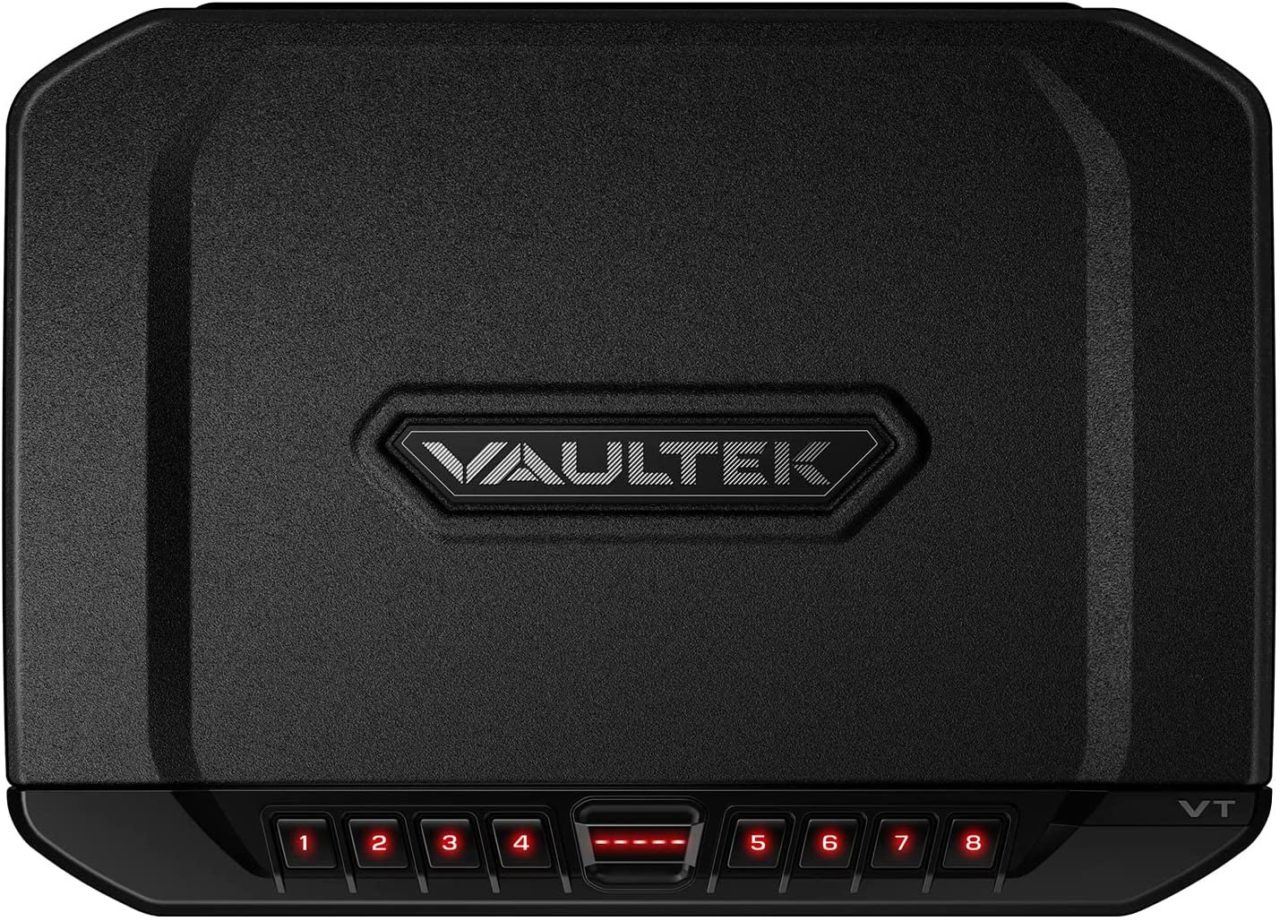
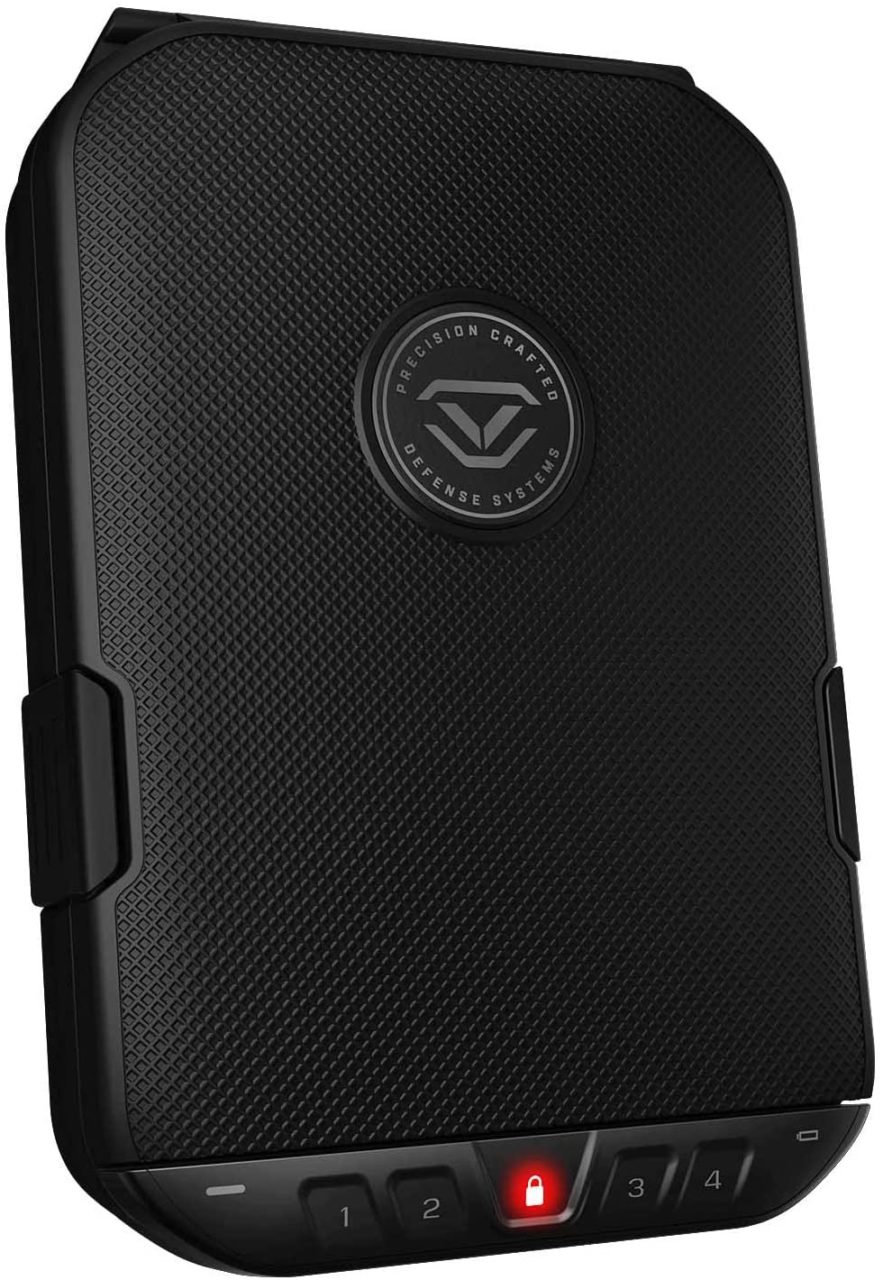
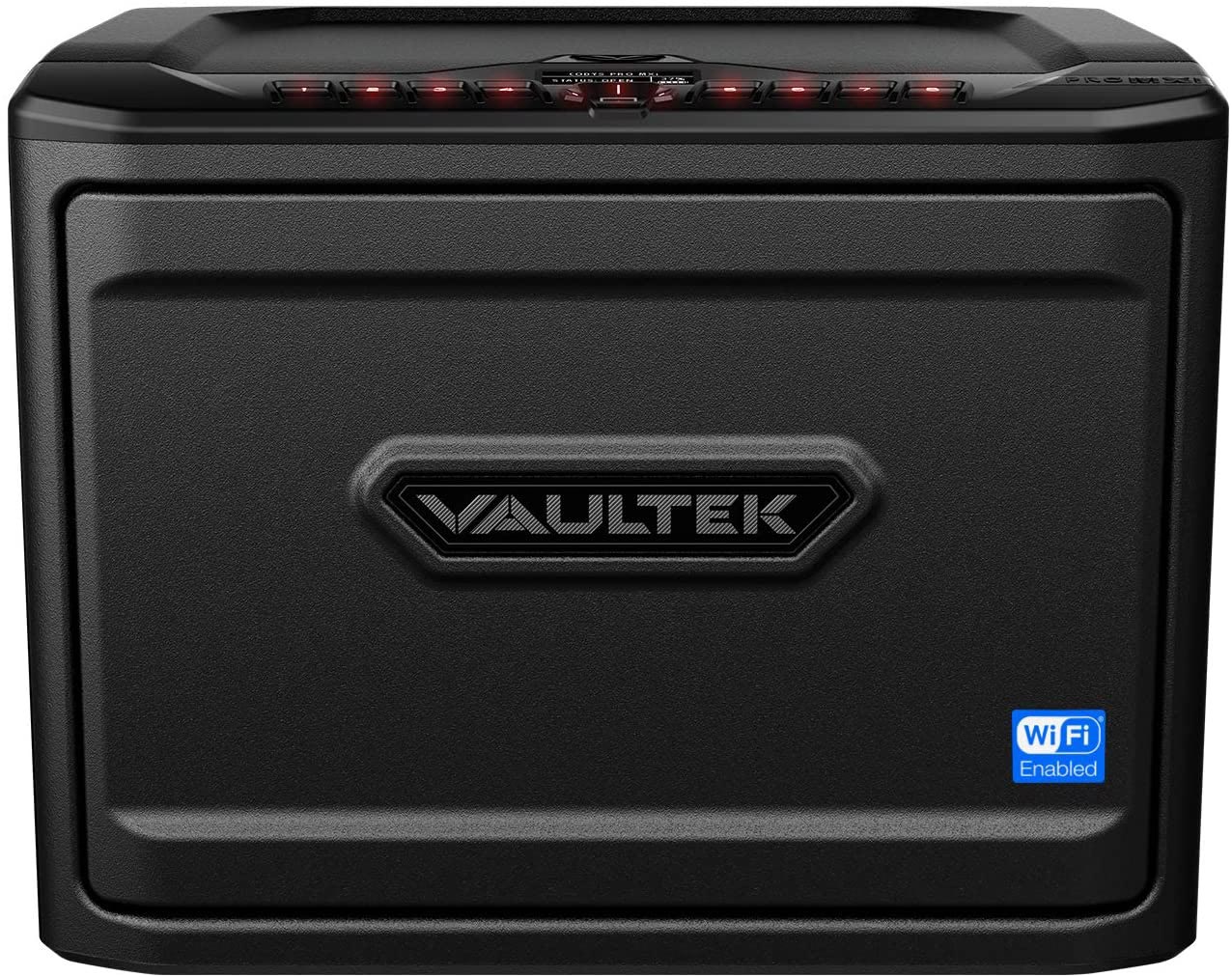
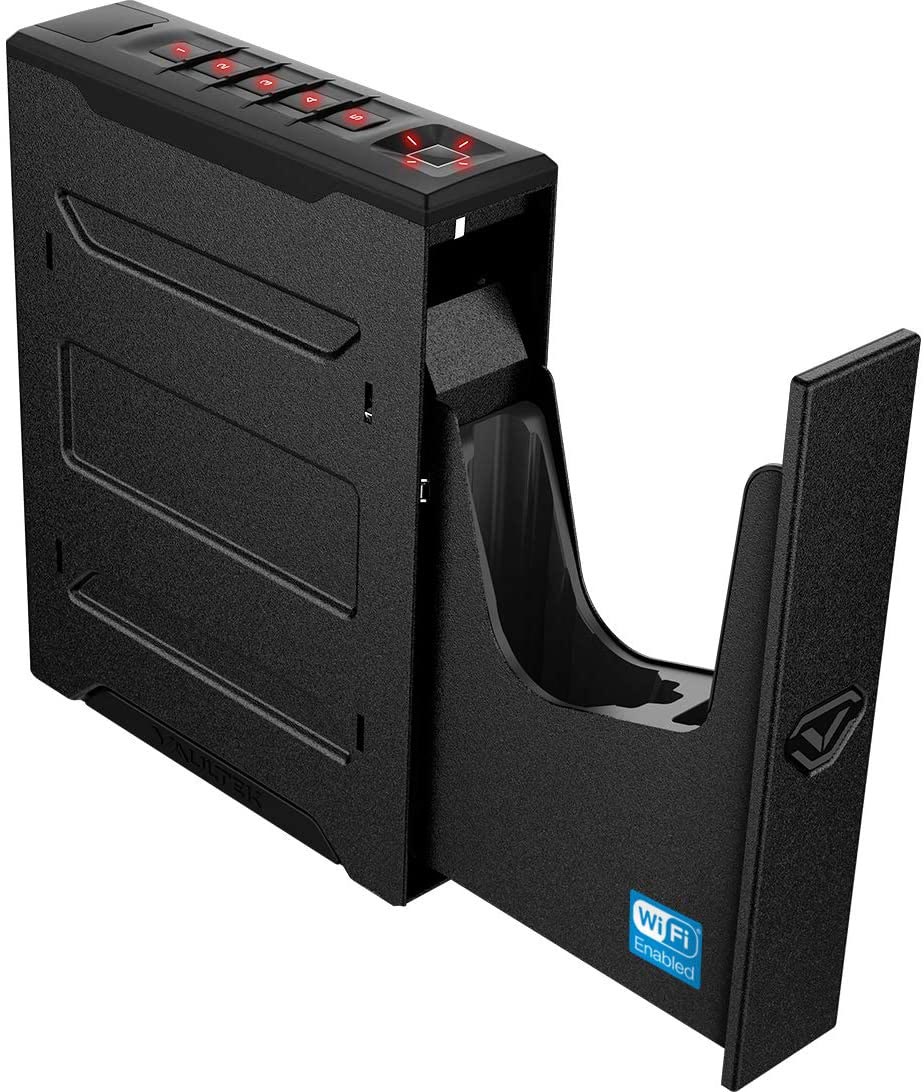
While we don’t want anything taken, certain items are more valuable than others. A TV or music system will never be as precious as your house ownership documents, insurance policies, jewelry, etc. A home safe is useful for these things. Many safes include cutting-edge security technology that is difficult for thieves to breach. They also guarantee privacy for the information you don’t want everyone to know. 

Rameez Usmani, Digital Marketing Expert The Green Pinky

9. Install A Peephole On Your Front Door

Peepholes are great for recognizing visitors. The effectiveness of a good peephole proves that security isn’t all about technology. Even if you have a security camera at the entrance and a sophisticated security system, they may be tampered with or fail.

So put a peephole on your front door. Just slide it up and peek through it. In addition, they are helpful when you leave your kids home and don’t want them to tamper with your security systems or laptops.

Ethan Howell, Co-Owner of Florida Environmental

10. Set An Alarm On Your Cell Phone To Go And Lock All Doors And Windows Each Night

Doing this helps you to remember to ensure everything is locked. When your household is numerous, it’s difficult to monitor and control who has been where, and done what, inside the house, so you can never be 100% sure that everything is locked. 

I set my alarm to 10 pm. I still haven’t gone to bed, but work is finished, and the household is cozying up for the night. There are times I noticed a window closed but not locked, and that’s a safety breach right there.

Don Adams, General Manager at RegionalFoundationRepair.com

11. Embrace a Lifestyle of Awareness

It’s a fact- criminals tend to strike when people aren’t paying attention. That’s why it’s essential to stay aware of your environment. Don’t let yourself get distracted from what’s going on around you—especially if you’re walking alone! It only takes a split second for something wrong to happen, and that’s why it’s so important to remain proactive. Even if you’re enjoying an evening at home, it’s essential to be aware. You don’t want to walk around in a cloud! That’s how people get hurt. Use your powers of observation and look around: see what’s going on and who’s there. If something seems off, call 911 immediately.

12. Multiple Points of Entry

Make sure you have numerous ways into your home. Keep things challenging for criminals—especially if they want to know what they’re up against. If you have only one way in, it’s easier for them to break in. That’s why it’s essential to ensure your home has multiple points of entry. If you have more than one entrance into your home, here are some tips on protecting that area.

13. Use Locks on All Doors and Windows

Two locks can be used on doors and windows: deadbolts and chain locks. Deadbolts are the most robust lock to use on entry doors. They’re powerful and challenging to break into. The same is valid for chain locks, which should be used on all other doors and windows in your home.

If you’ve done home improvement projects in the past, securing your home need not be expensive. Adding a chain lock to your front door would be a cinch if you already know your way around power tools. In addition to doors, you can also secure those sliding glass windows with a few key locks.

When you’re confident to do the burglar-proofing yourself, it’s not a bad idea to learn the basic skills needed to unlock deadbolts. Of course, locks are made to work, but wear and tear can sometimes cause them to get jammed. When you have the knowledge and tools for locksmith work, you can rest easy knowing this is a problem that you can solve without having to pay a hundred dollars for a professional.

14. Use Light Sets With Motion Sensors

By adding lights with motion detectors, you can give yourself the ability to see intruders before they get too close. These lights make it much harder for criminals to work quietly in an attempt to escape unnoticed.Lynda Fairly, Co-founder Marketing Numlooker

2022 Home Security Buying Guide

When it comes to the Home Alarm System, you shouldn’t cut any corners. It’s essential to research, study, and review the features of each product that you’d like before making a decision. You need to find that perfect match to the level of security that makes you and your family feel comfortable, especially when you’re away from home. We’ve evaluated the top-rated products and came up with a short list of the 5 best alarm systems to help you find the right one for your property.

#1 Ring Alarm Home Security Kit

The Ring Alarm Home Security Kit is a Home Depot exclusive product. It’s ideal for residential owners who don’t want to break their budget. This reliable alarm system instantly sends alerts to your Android or iOS device when the security of your house or apartment is compromised, such as the opening of windows or doors by intruders. It allows you to monitor your property when you’re on a trip, working, or anywhere else to give you peace of mind. Installing Ring Alarm is easy. There’s no need to hire a professional installer or to use any expensive tools just connected to the base station using the ring app. And you’ll be instructed to pull off the plastic tabs located at the back of the motion detectors and contact sensors, thus activating the functions of the entire security system. Afterward, you can begin customizing the setting for the individual device via the app such as how often you want to send alerts or how sensitive you want them to be.

It comes complete with a siren alarm and a 24-hour backup battery. It also works with Alexa, letting you disarm and arm the Home Alarm with your voice. You can upgrade your security system 24/7 through cellular backup and professional monitoring, though it does require a minimal amount for a monthly fee. For more comprehensive protection, you can also add more ring sensors, outdoor security cameras, and a doorbell. Each package contains one base station, keypad, range extender, motion detector, and contact sensor. All parts are covered with a 1 year manufacturer’s warranty.

#2 Google Nest Secure Alarm System 

This Home Depot exclusive ensures an ultimate solution to manage the security of your property even remotely. Comes with a Google assistant that helps you control your home, arm the system, get answers, as well as manage tasks including temperature change requests or playing music using voice commands. Nest Secure is such a very convenient system to use. It allows you to arm and disarm it whenever you like using the Nest app. Enter a passcode, tap nest tag on Nest guard, or say, “Hey Google and set security to away. In case you forget to arm it, the “Remind Me Alert” will send you immediate alert. It also works well with Alexa, Lou Tron wink Siri or Control4. The 1080p security camera provides clear, distinct live video streaming, letting you monitor the indoor of your home via smartphone or tablet. You can access the Nest Cam anywhere you are.

At 3.7 by 2.1 by 3.7 inches in size and a matte white finish, this stylish hub blends well with other home devices. The Nest detects sets that allow you to attach to windows or doors discreetly with sense motions within 15 feet of range. Nest guard blares a loud alarm when it’s built-in motion sensor is triggered as unknown intruders attempt to enter the premises. It comes with a 2-year limited manufacturer’s warranty.

Gone are the days of the wired security system. The wireless Wi-Fi-enabled products in the market today, make the installation and management of an alarm more convenient, even when you’re having a vacation in other parts of the globe.

#3 Lifeshield Smart Home Security Kit

The basic package comes with the alarm device, an interactive security touchpad and one Wi-Fi-enabled camera. What’s amazing about this product is the patented four-layer protection, which keeps you safe against burglary and theft. Even if robbers cut off your phone line, the internet crashes, or the power goes out. This alarm system is best to use in any home or office and works well with Alexa, Z-wave and IFTTT devices. It’s also equipped with home automated capabilities or options for personal monitoring for security professional monitoring services with standard patented carbon monoxide and fire safety protection. For a three-year service contract, you’ll receive a $200 gift card from Home Depot.

Setting it up is no sweat at all. You can do it yourself with no tools necessary and make it run quickly. You can access your home security system from any location using your smart device or mobile phone. The free mobile app assists you in setting or disabling the system whenever you want. It lets you remotely view who comes in and out, check on your pets or catch intruders and thieves who may try to enter your house when you’re not home. It also lets you watch live or recorded videos, giving you the assurance that everyone and everything is well secured. It’s also backed up with a 1-year manufacturer’s warranty.

#4 Skylink Alarm Camera Deluxe Kit

It provides excellent protection for your home and family in a smart way without paying that costly monitoring fees. Installation is easy, allowing you to do it yourself without cost or tools. This all in one system functions with an alarm, video monitoring, and home control mechanism that helps you to manage or monitor the security of your house, even when you’re in a different part of the world.

It uses Skylink Net, the smartphone app. You’ll also receive instant push notifications whenever the sensor is activated or triggered by an unknown person who would like to take advantage of your absence. It has an expandable feature giving you the freedom to add up to 100 devices and integrate the system seamlessly with smart appliances via IFTTT or Google Home. It’s also compatible with Amazon Echo, allowing you to utilize Alexa’s skill to control the system and automate the home devices with voice commands. This 4 x 5 x 15 and a quarter inch plug and play alarm device is wireless camera compatible, which is important when you want a maximum of 10 security cams to secure the various parts of your property. What else is inside the kit? It contains an internet hub, IP camera, 2 motion sensors, 2 door window sensors, a power adapter, Ethernet cable, keychain remote, and mounting accessories. The product is entitled to a one-year manufacturer warranty.

We know that everyone has different needs preferences for that type of alarm device that will help you secure your home or office. So with these variations of options that we’ve provided, we hope you’ve already found your match.

#5 Sabre Home Alarm System

This wireless security system is trusted by law enforcement agencies across the world and by a lot of smart consumers. It’s an elite Home Alarm that features and attention-grabbing 120 decibels alert, which is audible within 300 feet, instantly alerting homeowners against dangerous and triggers or burglars. The kit contains a tri-colored LCD and smart panel with door window sensors, motion sensors, AC adapter, and key fob control with a panic feature. The sensors can be positioned up to 500 feet from the control panel. This user-friendly security system offers adjustable entry-exit delays and alarm durations. 4 operation modes, 8 security zones, and 10 accessory options.

For larger properties, it’s capable of letting you add an unlimited number of sensors and enabling customization of protection with the accessories. Protecting your house or office becomes doable with this Home Alarm System, which is easy to install. No wiring required. You can easily view the battery status with its low battery indicator. It’s also cost-effective, eliminating the need to hire a professional installer and paying for monthly monitoring fees with its white finish and color. This attractive monitoring system blends well with your home decor while discreetly gathering feedback from wireless sensors that are positioned in different locations. The highly sensitive smart panel can detect any security breach, triggering the audible alarm and indicator lights. It’s covered with Sabre’s 1-year limited warranty to replace the item due to manufacturing defects.

Did you find the alarm system that’s tailored to your security requirements? If the answer is yes, then the next step is to decide if you want to have it as soon as possible.

Protecting Children From Predators: Essential Steps to Ensure a Happy, Safe Childhood

As a parent, you try to keep your children safe from all forms of harm. No one likes to think about the dangers lurking online and in our neighborhoods, but it’s always better to be prepared. If you are a guardian, teacher, or parent, you have to know how to protect children from predators. 

Some child predators are very smart, and their tactics are very clever and deployed over a long period of time. Children can also be easily tricked into a false sense of security, even after being taught about “stranger danger”. 

Many of the tips our parents gave us are obsolete today as the world has changed dramatically since we were young. 

How to Protect Children From Predators 

There will always be predators and nefarious people that want to do your children harm – and they may not look or act in a way that you expect. In many cases, both parents and children are groomed by the predator, which is why you need to remain vigilant. Protecting children from predators always starts with educating yourself and your children. 

Don’t Focus on Stranger Danger

It’s important to tell children to stay away from strangers, but it’s important to explain exactly what a stranger is. Predators know that parents warn children not to trust people they don’t know, which is why they would approach a child in a friendly way and say that they are friends, neighbors, or co-workers of the parents. That can be all it takes for a child not to see someone as a stranger. Explain to your child that it doesn’t matter whether or not they recognize the person or whether they seem nice or not. They should never leave with someone (even a friend of the family) unless they are given express permission by their parents. 

Don’t Overshare

Mommy blogs and influencer Instagram accounts have normalized sharing every detail about your life with total strangers. It’s important to keep your child safe from predators by not sharing their real names and details about their school, friends, or teachers online. These details can be used to build trust with a child over time and even track their location. Some parents make a policy not to share their children’s images online either. It’s a good idea to carefully check who can see and follow your personal social media accounts and to stay as private as possible to protect your child from predators. 

Teach Children That Adults NEVER need their help

Keeping child safe from predators means educating her or him about boundaries and tactics predators may use. Teach children that adults never need help from kids and that it’s wrong for them to ask them to help them with a sick puppy or to carry something to their car. If they are approached and asked to help, they should fetch an adult right away. We may never know how to keep kids safe from predators altogether, but we can give them tools to protect themselves at all times. 

Use Code Words

Share a code word phrase or emoji that kids can use to confirm that a parent is allowed to pick them up from school. Similarly, if your child is at a playdate or sleepover and feels uncomfortable for any reason, they should text you a random emoji to let you know. This will act as a code for you to make up an excuse to fetch them wherever they are. Children don’t want to offend or disappoint their friends, so make sure that you are the “bad guy” in the scenario. You can respond to the text by saying, “I see you didn’t do your chores before the sleepover like I asked – I’m sorry, but you’ve lost your privileges, I’m coming to get you.”

That way your child doesn’t have to tell their host that they are uncomfortable or scared. 

Now that you know how to protect children from predators, you have to keep learning and stay ahead. Always follow safety precautions and try to stay informed about the latest tactics. If you are concerned about another adult’s interest in your child’s life, use a platform like Radaris to look up their information. It’s a small step that can provide peace of mind. 

The Best and the Safest States to Live in 2022

11

The best places to live in are undoubtedly the most affordable, the safest and which can provide the best quality of life in general. So which states do the real estate experts recommend? Consulting them, we got a list of the top states to live in this year;

If we base it on the low violent crime rank and low property crime rank, perhaps the top states that I can think of are Maine, Idaho, and New Hampshire. But as a realtor, I gather the results from Bankrate, and tally the best states for retirement and at the same time have a low crime rate and offer a high-security level.

I recommend the following states:

  1. Wyoming

Wyoming has an overall rank of 6 and has a crime rank of 7. In the past 3 years, crime rates in Wyoming have remained under average. You can check out Worland and Torrington, as they flagged the safest cities in Wyoming. 

  1. New Jersey

New Jersey has a crime rank of 3 and is in the top 18 best states to retire. In terms of health care and education, New Jersey has high to offer. You can safely visit New Jersey, especially River Vale and Sparta.  

  1. Rhode Island

Lastly, Rhode Island has a crime rank of 7 and is the top 22 best states to retire. Rhode Island remained one of the lowest crime rates in the country. Aside from this, this state has good access to health care. You can visit Bristol and South Kingston as their top safest cities. 

From the list above, even if those states are at the top, being secure and safe usually starts from you. If you are always ready and have precautionary measures in any events around you, then you can confidently feel safe.

Dino DiNenna, Realtor & Owner Southern Lifestyle Properties; Hilton Head Real Estate

  1. Michigan, Illinois, Utah, Ohio and Maryland

When looking at the safety of a location, most people focus on crime rates. However, don’t forget to also factor in natural disaster risk. With climate change, increasingly more places are at-risk. From increased home insurance premiums to disaster cleanup, the costs of living in one of these areas can be huge. 

Most states do not require real estate agents or sellers to disclose to buyers whether the home is in a hazard area or even if the home has already undergone damage from a disaster. You’ll want to do your own research about the area’s risk of flood, hurricanes, wildfire, earthquake, tornado and drought. You can also order a Natural Hazards Disclosure (NHD) report, which will usually cost around $70 to $100. It’s a small price to pay for your future safety.

States with a low natural disaster risk include Michigan, Illinois, Utah, Ohio and Maryland. Maine and New Hampshire are also quite safe from natural disasters, though they often have winter storms.

Diane Vukovic, a disaster preparedness expert who writes for Primal Survivor 

When choosing to relocate to a new and unfamiliar place, you will look at affordability, safety, and quality of life. I think some of the best states for living peacefully are in the Upper Midwest and Northeast regions of the nation. 

  1. Wisconsin

Wisconsin is a beautiful state, whether you’re south in Madison or up north on Lake Superior, the crime rates are constantly low and the cost of living is affordable for the average American. 

  1. Maine and Some Areas of Massachusetts

Similarly, Maine and certain areas of Massachusetts can be extremely affordable while also providing a harmonious quality of life. It’s all about weighing the pros and cons of a new place, and visiting the property/area prior to moving! 

Leonard Ang, CEO of iPropertyManagement 

  1. Idaho

There are different matrices for choosing the best place to live in, which include: Cost, quality of living, safety, education, health facilities and many more. When we come to these features, different states show different specialties. However, considering the affordability, quality of life, and safety; the best state to live in America would be Idaho.  

The best thing about living in Idaho is that it is one of the safest states in America. In this state, both the violent crime rate and the national crime rate are quite low. The violent crime rate is only 0.27% compared to the national average of 0.45%, and the property crime rate is also 2.13% only. 

Besides the peace and safety of the state, you will just love the tight-knit community, better job opportunities, and easier access to the outdoors. Surprisingly, after all this, the state would cost you a much lower cost of living! The city is a great place for creatives as it promotes affordability and an entrepreneurial spirit. The tech scenario is growing fast too, as a lot of young talents from around the country are flocking to this city. 

To summarize, if you are looking for a work-life balance along with some fresh air and adventure, Boise might just be the right place for you to live in! 

Dawn Templeton, Owner & Real Estate Broker Templeton Real Estate Group

  1. Utah, New Hampshire, Massachusetts, Maryland, Colorado, Washington, Virginia, New Jersey

Some of the best states to live in the US are- Utah, New Hampshire, Massachusetts, Maryland, Colorado, Washington, Virginia, New Jersey, etc.

These states are recommended because of the following factors.

  • Population density: Some of these states are denser in population, which means they will probably have more people around their area. So those looking for open spaces should keep this in their mind. 
  • Median income: The higher-income people have in the state, the better life they live. Some of the higher-ranking states have fewer taxes. 
  • Lower crime rate: No one likes to live in states where the crime rate is high. So you can definitely prefer these states because you won’t find much crime here. 

Hilda Wong, Founder Content Dog

What Are Rear-facing Child Safety Seats?

Rear-facing baby seats are required for babies and infants. Compared to being unrestrained, this reduces the chance of death or injury in a crash by 90%.

An infant’s head, neck, and spine are better protected in rear-facing chairs than in forward-facing seats. As a result, keeping your child in a rear-facing seat is preferable for as long as feasible. Only move them to a forward-facing seat once they can sit up unassisted.

Also, when they have reached the seat’s maximum weight limit or are too big for the seat (typically when the top of the child’s head is higher than the seat’s top). Alternatively, you might use a larger (group 1 or group 2) rear-facing seat.

Rear-facing baby seats contain a shock-absorbing interior and a five-point harness (some have a three-point harness) to keep the child secure. Take your time getting your kid strapped in and ensuring the harness is properly set. Your baby’s shoulder should be roughly 2cm below the top of the harness. 

Only one or two fingers should be able to fit between the baby’s chest and the harness when it’s on. The harness buckle should not cover the child’s tummy. Clothing can alter how snugly the harness fits, so make sure to check it before each trip.

If you’re using an i-size seat, ensure your child is rear-facing until they’re 15 months old. Rear-facing seats can be installed in either the front or rear of the vehicle, but it is safer in the back. If there is an active passenger airbag, DO NOT put them in the front passenger seat.

Rear-facing Child Seat Types

  • From birth to 6 months, group 0 is for babies weighing 10 kg.
  • Group 0+ for babies of 13 kg from the time of birth until the age of 12-15 months
  • Groups 0+ and 1 are for babies weighing 18 kg, from birth to four years.
  • Group 1 for toddlers weighing 9 to 18 kg, or around nine months to 4 years old.
  • Groups 1 and 2 are for 9 kg to 25 kg toddlers or around nine months to 6 years old.

Visit our blog page to learn more about the benefits of rear-facing child safety seats.

How to Make Your Front Door Burglar Proof

How easy is it for an intruder to break through your front door? Here’s how to tell if your front door is secure and some tips on how to keep your home protected.

If an Intruder Can Break in With Minimal Effort

Intruders are more likely to break in if it looks like there’s an easy way in. Is your house surrounded by a lawn, trees and shrubs that reach the front door? This makes an easy hiding spot so burglars can’t be seen breaking in.

An unlit pathway makes it easy for intruders to reach your front door. If you keep your spare keys under the mat, have open windows within reach of the door and a big pet door that opens wide, chances are someone can easily get in.

9 Ways to Deter Potential Intruders

Front-door safety is about securing the door and providing deterrents to discourage intruders from entering. Here are some methods to ensure that intruders don’t make it to the front door at all.

1. Install a Doorbell Camera

Invest in a doorbell camera so you can easily monitor your front porch. With two-way audio, you can shout a warning if unwelcome visitors approach. Doorbell cameras also collect footage, so if someone tries to break in, you have their face on camera and can hand it over to the police. It’s also a good idea to get a camera with night vision so you can see details, even in low light.

2. Get a Smaller Pet Door

Intruders may view a large doggy door as an opportunity to enter the house without breaking anything. Although it’s rare, you want to cover all your bases. Install a smaller door, get a locking system if you need protection for extended periods or pick a different spot on a wall behind vegetation.

3. Lock Your Mail Slot

To protect your house from intruders, you’ve got to be creative and think like them. One of the sneaky ways an intruder can attempt entry is through the mail slot. Install a box or cage to prevent them from inserting a wire and chord to unlock your door from the inside.

4. Get Motion Sensor Lights For Your Yard

The more light there is, the harder it is to cover up ill-intended actions. Look for motion-sensing flood lights that produce 2,000 lumens, enough to scare someone away. You may also want lights with cameras to keep an eye on your house, even if it’s just to check on your pets during the day. A good camera will have radar detection and smart alerts to distinguish between animals, vehicles and packages.

5. Change Your Door

The most durable and secure doors are made from steel or solid-core wood. If anyone tries to kick the door down, you can rest assured it won’t break.

If you choose steel, ensure the door has insulated foam in the core, as they’re more likely to absorb cold and heat due to steel’s conductive properties. Otherwise, steel is notable for its sturdiness and resistance to inclement weather. Plus, a new modern door can significantly increase your home’s curb appeal.

6. Reinforce Your Door

In addition to a sturdy front door, it’s a good idea to reinforce your front door with security braces like a flush deadbolt, barricade bars or door jammers that will make the door unmovable. It may also help to have a security screen. You can get a one-way screen that blocks visual access from the outside but allows people inside to see everything clearly.

7. Install Smart Locks

Take advantage of the high-tech security smart locks available to protect your home. Unless an intruder is an advanced safe-cracker trained in locksports, it’s much harder to guess a code than to pick the lock. Even if you are forgetful, you can always unlock the door with your phone or tablet.

This method also works well if you have temporary tenants. You give them a unique code and when they move out, you change it for improved security.

8. Try Bump Resistant Locks

Prevent intruders from unlocking your door with the bumping technique – inserting a special key or hammer into the lock and forcing the pins in the lock cylinder to open the door. Bump-proof locks remove the pin mechanism, making it harder to use a bumping key.

9. Electronic Pet Door

Give your pet their own copy of the keys with an electronic pet door. No need to worry about stray raccoons when Buddy has a chip or signaling device in his collar to unlock the door only when he approaches.

Newer doors can even detect and prevent access if your pet often brings back critters as gifts. Go for a directional door that only unlocks when your pet walks towards it, so it’s not sliding open whenever they’re near it. Some options allow you to lock and unlock remotely or track your pet’s movement.

Make It More Difficult to Break In

Front doors are still the most common entry points for burglars. Yours can be nearly impenetrable with some security additions and extra attention paid to any potential vulnerabilities.

Advanced Access Control Systems for Modern Businesses: Trends and Technologies

The need for advanced security solutions is more pronounced than ever. The pace at which technology evolves and the sophistication of threats increase necessitates a dynamic and robust approach to safeguarding assets, data, and personnel. This underscores the importance of a well-rounded security strategy, where every component plays a critical role in the overall protection of a business.

At the forefront of these strategies is the implementation of access control systems. These systems are not just about restricting access; they are about enabling the right kind of access, ensuring that only authorized individuals can enter specific areas of a business. From simple electronic keypads for a single entry point to complex networked systems that cover multiple buildings and integrate with other security measures like CCTV and alarm systems, access control is versatile and scalable.

The significance of access control systems in a comprehensive security strategy cannot be overstated. They provide a seamless way to manage entry points, monitor movement within premises, and even track attendance. Moreover, in the event of a security breach, access control systems can offer valuable data that can help in understanding how the breach occurred and in preventing future incidents. As businesses continue to navigate an ever-changing threat landscape, the role of access control systems as a cornerstone of security strategies becomes increasingly crucial, offering not just protection but also peace of mind.

Why Upgrade to Advanced Access Control Systems?

Conventional access control measures, while foundational in securing premises, often fall short in addressing the complex security challenges of today’s dynamic business environments. Traditional systems, such as mechanical locks and keys, lack the sophistication needed to provide real-time insights and adaptability, presenting significant limitations in security, flexibility, and efficiency.

Advanced access control systems, on the other hand, offer a leap forward in securing business assets and personnel. These modern solutions transcend the basic function of granting or denying entry, evolving into intelligent security networks that integrate seamlessly with other systems for a holistic security approach. Here’s how they redefine security standards:

● Enhanced Security: Advanced systems employ multi-factor authentication, biometric verification, and encryption protocols, significantly reducing the risk of unauthorized access. By leveraging the latest in security technology, these systems ensure that only the right people have access to sensitive areas, thereby mitigating potential threats more effectively.

● Flexibility: Unlike their conventional counterparts, modern access control systems offer unparalleled flexibility, accommodating a wide range of authentication methods and devices. This adaptability extends to scalability, allowing organizations to expand their security infrastructure as they grow, without the need for extensive overhauls.

● Efficiency: With features like remote management, real-time monitoring, and integration capabilities, advanced systems streamline security operations, making them more efficient. Administrators can quickly update access rights, respond to security incidents, and generate comprehensive reports, all from a centralized platform.

At a time when security demands are ever-increasing, the transition to advanced access control systems is not just an upgrade; it’s a strategic necessity. These systems not only fortify defenses but also enhance operational efficiency and adaptability, ensuring businesses are well-equipped to face the security challenges of the modern world.

Cutting-Edge Trends in Access Control Technology

Access control technology is witnessing a surge of cutting-edge trends that are reshaping security landscapes, making systems more secure, user-friendly, and integrated than ever before.

Biometric Authentication is leading the charge in enhancing security measures. Gone are the days when a simple passcode or keycard sufficed. Today, fingerprints, facial recognition, and iris scans are becoming commonplace, offering a level of security that is nearly impossible to replicate. This biometric revolution ensures that access is granted based on unique personal attributes, making unauthorized access exceedingly difficult.

Mobile Access Control represents the convergence of security and convenience. With nearly everyone carrying a smartphone, these devices are becoming the keys to the kingdom, quite literally. Utilizing encrypted digital keys and apps, smartphones enable users to unlock doors with a simple tap or even remotely, blending seamlessly into our digital lives while offering a new layer of convenience and flexibility.

Integration with IoT (Internet of Things) devices is expanding the capabilities of access control systems beyond traditional boundaries. IoT allows for a smart, interconnected environment where access control systems can communicate with lighting, heating, and even safety systems. This integration not only enhances security but also improves efficiency and user experience, allowing for customized, automated environments that respond to the presence or absence of individuals.

These trends signify a move towards more personalized, integrated, and sophisticated access control systems that cater to the evolving needs of modern security demands, offering both enhanced protection and a user experience that aligns with today’s digital lifestyle.

The Benefits of Advanced Access Control for Modern Businesses

Advanced access control systems offer a plethora of benefits that are indispensable for modern businesses, emphasizing not just security but also operational efficiency and scalability.

Enhanced Security and Safety: The foremost advantage of advanced access control systems is the robust protection they offer for a business’s assets, data, and personnel. By employing sophisticated authentication methods, such as biometrics and encrypted digital credentials, these systems ensure that access is tightly regulated, minimizing the risk of unauthorized entry and potential security breaches. This enhanced level of security is crucial in today’s landscape, where threats are increasingly sophisticated and potentially devastating.

Operational Efficiency: Advanced access control systems streamline the process of managing access rights, significantly reducing the administrative burden associated with traditional systems. With features like remote management and integration with other security systems, administrators can quickly respond to changes, grant or revoke access, and monitor activity without manual intervention. This not only saves time but also enhances the responsiveness of the security infrastructure, ensuring that access control adapts seamlessly to the dynamic needs of the business.

Scalability: As businesses grow and evolve, so do their security needs. Advanced access control systems are designed with scalability in mind, allowing for easy expansion and customisation. Whether it’s adding more access points, integrating additional security systems, or updating authentication methods, these systems can adapt to the changing size and requirements of a business without the need for a complete overhaul. This adaptability ensures that businesses remain protected, no matter how complex or expansive their operations become.

Advanced access control systems are not just a security measure; they are an investment in the future-proofing, efficiency, and resilience of modern businesses​​.

Implementing Advanced Access Control: Key Considerations

Implementing advanced access control systems in a modern business setting requires careful consideration to ensure that the solutions are not only effective but also align with the unique needs and goals of the organization. Here are some key considerations to keep in mind:

Assessing Your Business’s Security Needs: The first step is to conduct a thorough assessment of your business’s specific security risks and vulnerabilities. This involves understanding the nature of the assets you need to protect, identifying potential threats, and recognising the unique challenges posed by your business’s layout and operations. For instance, a commercial warehouse or factory might prioritize securing entry points and sensitive areas to protect against theft, unauthorized access, and ensure workplace safety​​. Tailoring solutions to address these specific concerns is crucial for an effective security strategy.

Choosing the Right Technology: The access control market offers a broad spectrum of technologies, from keycards and PIN codes to biometric systems and mobile access controls. Each technology comes with its own set of advantages and considerations, such as ease of use, level of security, and integration capabilities. Businesses must evaluate these technologies in the context of their specific needs, considering factors like scalability, user-friendliness, and the ability to integrate with existing security systems.

Partnering with the Right Provider: The complexity of modern access control systems necessitates professional installation and ongoing support to ensure optimal performance and reliability. Choosing a provider with a proven track record, expert knowledge, and responsive customer service is critical. The right provider will not only offer expert installation but also provide ongoing support and maintenance, ensuring that the system remains effective over time and evolves with the changing needs of your business.

By carefully considering these factors, businesses can implement an advanced access control system that enhances security, improves operational efficiency, and scales with the organization’s growth, ensuring a secure and resilient business environment.

The Future of Access Control Systems in Business Security

The future of access control systems in business security is poised for transformative changes, with emerging technologies and trends shaping a new era of safety and efficiency.

Emerging Technologies and Trends: As we look ahead, we can anticipate the integration of more sophisticated technologies into access control systems. Innovations such as quantum computing and advanced encryption methods are expected to enhance security protocols, making systems more impervious to breaches. Additionally, the proliferation of smart devices and the Internet of Things (IoT) will likely lead to more interconnected and automated access control solutions, offering businesses greater control and insights into their security environments.

The Role of AI and Machine Learning: Artificial Intelligence (AI) and machine learning are set to play pivotal roles in the next generation of access control systems. These technologies promise to bring about systems capable of learning and adapting to security threats in real-time. AI could enable access control systems to analyze patterns, predict potential security breaches, and automatically adjust security measures to prevent them. Machine learning algorithms could also be employed to refine biometric authentication processes, making them more accurate and less susceptible to spoofing.

Furthermore, AI-driven analytics could offer businesses deeper insights into access patterns and security incidents, enabling more informed decision-making and proactive security management. This could lead to more personalized access control solutions that not only enhance security but also improve user experience by adapting to individual behaviours and preferences.

As these technologies continue to evolve and integrate, the future of access control systems in business security looks promising, with the potential to offer unprecedented levels of protection, intelligence, and adaptability.

Key Takeaways

In the exploration of advanced access control systems, several critical points have emerged that highlight their indispensable value to modern businesses:

● Enhanced Security and Safety: Advanced systems offer superior protection for assets, data, and personnel through sophisticated authentication methods and integration capabilities.

● Operational Efficiency: These systems streamline access management, significantly reducing administrative burdens and enhancing real-time response to security incidents.

● Scalability: The adaptability of advanced access control systems ensures they can grow and evolve with the business, accommodating changing needs without extensive overhauls.

● Emerging Trends: The future of access control is being shaped by cutting-edge technologies like AI and machine learning, promising even greater security, efficiency, and adaptability.

The landscape of business security is rapidly evolving, and with it, the technologies we rely on to safeguard our most valuable assets. Advanced access control systems stand at the forefront of this evolution, offering not just enhanced security but a comprehensive solution that addresses efficiency, scalability, and future readiness.

For businesses looking towards the future, the investment in advanced access control technologies offers long-term benefits that extend well beyond traditional security measures. These systems not only protect against current threats but are designed to adapt to the challenges of tomorrow, ensuring businesses remain resilient in an ever-changing threat landscape.

As such, businesses are encouraged to critically evaluate their current security posture and consider how advanced access control solutions could fortify their defenses, streamline their operations, and position them for success in the years to come. It’s an invitation to step into the future of security, where the safety of your assets, data, and personnel is not just a responsibility, but a dynamic, evolving practice that drives your business forward.

Armed Security Close Protection: The Critical Shield for Today’s Personal Security

Armed security close protection stands as an important component in safeguarding individuals against an array of threats. As personal security risks increase, people in high-profile positions or at heightened risk are turning to close protection services to shield them from harm. 

These services are customized to offer complete security, providing protection in any environment, from public appearances to private events.

Understanding Armed Security Close Protection

Armed security close protection involves highly trained professionals tasked with defending individuals from harm, especially when their safety is at risk. 

Unlike standard security personnel, close protection officers are specifically trained to handle potential threats, responding rapidly and efficiently. Their goal is not only to react to dangerous situations but also to proactively assess and neutralize threats before they escalate.

Specialists in this field are adept in predicting the movements of potential threats and planning accordingly, using strategic risk management tactics to prevent harm. Whether the client is a high-profile individual or someone at risk due to personal circumstances, these professionals are there to protect both the physical well-being and emotional peace of mind of their client.

The Growing Need for Armed Protection

The demand for armed security close protection has escalated due to any number of influences, such as the rise in organized crime, terrorism, and personal attacks on high-profile individuals. People in power or those with public visibility are often targets of criminal activities. 

This trend has given rise to an increased need for close protection services to defend against potential kidnappings, physical assaults, and other forms of violence.

In response to these dangers, security professionals have evolved their methods, combining highly specialized skills with the latest technology and strategies. 

A risk management strategy specialized to an individual’s specific needs can make certain potential threats are identified and neutralized, offering proactive defense rather than reactive measures. 

By continuously assessing threats, reliable private security services can provide peace of mind, knowing that security teams are actively protecting their clients at all times.

Training and Armed Security

A big part of armed security close protection is the extensive training that officers undergo. Physical endurance, tactical knowledge, and the ability to think clearly under pressure are necessary traits of close protection specialists. 

Their training equips them to handle different potential threats, whether through defensive driving, close-quarters combat, or the use of firearms.

Beyond physical skills, close protection officers are trained in strategic thinking. They develop plans that not only provide for the immediate safety of their clients but also work to avoid dangers by analyzing the surroundings. 

Close protection services frequently include the evaluation of environments, making sure that the routes, locations, and events their clients attend are secure.

The Complexities of Close Protection in Public Settings

Providing armed security close protection is particularly complicated when clients are in public settings. Maintaining a low profile while offering strong protection is necessary in these situations. 

Whether at an event or traveling through a crowded area, the objective is to keep the client safe while allowing them to maintain a sense of normalcy. Close protection services often employ discretion, operating smoothly behind the scenes to prevent attention or disruption.

In public spaces, close protection officers must be hyper-aware of potential threats, even those not immediately apparent. The ability to anticipate hostile actions in crowded environments is a skill that requires years of experience and an in-depth understanding of human behavior. 

Reliable private security services excel in keeping individuals safe while blending into the environment, making certain the client’s routine remains unimpeded.

The Use of Technology in Armed Security Protection

Today, technology plays a major role in armed security close protection. Security teams use advanced surveillance systems, communication tools, and real-time monitoring to stay ahead of threats. 

These tools allow officers to quickly assess situations, track individuals, and communicate across large distances, boosting their ability to respond to potential danger quickly and effectively.

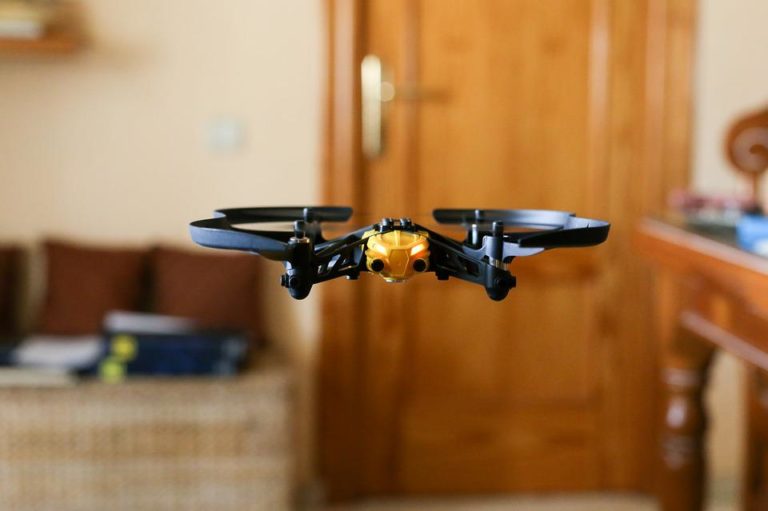
GPS tracking devices, for instance, can help officers monitor a client’s movements, so they are always within a secure zone. Drones and other high-tech gadgets are used for aerial surveillance and to provide an overview of large crowds or areas that are difficult to access. 

These advancements work in tandem with a complete risk management strategy, which anticipates various potential threats and adapts the response to mitigate any danger.

Collaboration with Local Authorities

One of the biggest aspects of armed security close protection is collaboration with local law enforcement. While close protection officers are specially trained to handle immediate threats, they often work alongside police forces to make sure that broader security measures are in place. 

This collaboration can make a huge difference in preventing larger-scale threats, such as terrorist attacks or coordinated criminal activity.

A security team that works along with local authorities can gain access to intelligence and support that strengthens the overall protection plan. For example, law enforcement can provide details on potential threats in a given area, allowing close protection services to adjust their strategies accordingly. 

This partnership is particularly useful in high-risk regions, where security needs can be unpredictable.

Risk Management Strategy and Protection

The basis for armed security close protection lies in a detailed and well-thought-out risk management strategy. A thorough assessment of the risks involved, including potential threats and vulnerabilities, helps security teams devise the most appropriate protection methods. 

This strategy is customized to each client, taking into account their specific lifestyle, environment, and perceived risks.

For example, a celebrity attending a public event requires different protection strategies than a high-ranking executive traveling in unfamiliar or potentially dangerous territories. The security team assesses these risks and adjusts the protection plan to make sure of the highest levels of safety. 

Through constant reassessment, the security strategy alters as threats change, keeping the client secure throughout every stage.

The Need for Armed Security Close Protection in Modern Times

As the world becomes increasingly unpredictable, armed security close protection offers a necessary line of defense for individuals who face heightened risks. The complexity of modern threats requires a specialized approach, combining tactical expertise, advanced technology, and a carefully crafted risk management strategy. 

Whether protecting a client in public spaces or looking out for their safety while traveling, close protection services offer peace of mind to individuals who need it most.

By hiring reliable private security services, individuals can rest assured that they have experts guarding their safety, prepared to act at a moment’s notice. As security techniques continue to progress, the importance of having a trained and capable close protection team will only grow. 

With the right protection, individuals can continue their lives with confidence, knowing their safety is in expert hands.

What Are Child Safety Seats For Golf Cart?

The best way to keep drivers and passengers safe when using golf carts and LSVs is to follow the rules, especially if an inexperienced and licensed driver is behind the wheel. In addition, follow the manufacturer’s instructions. Allow no more than the recommended number of passengers, make no after-factory alterations, and never disable or adapt the speed governor of the cart.

Riding on a golf cart is enjoyable for children, but keep in mind that it is a moving vehicle, even if at a slow speed, and some safety precautions must be observed. Children should be taught to sit with their feet flat on the floor. If seatbelts are available, passengers should use them and hang on to the armrests or safety bars, especially as the cart is turning. Younger children should be placed in a forward-facing seat in the cart because they are more prone to tumble from rear-facing chairs.

Look for models with seatbelt systems and forward-facing seats if you’re renting or buying an LSV or cart to use with kids. The greater the number of safety features, the better. Also, make sure you understand what kind of car you’re renting and the laws in the place where you’ll be driving.

We’re all aware of the dangers of young riders’ heads colliding with the pavement when they fall from their bikes. Ejection from the car poses the greatest danger to children (and all passengers). If your children are riding in a golf cart or LSV, they should wear a biking helmet at the very least; it will protect them if they fall or are ejected from the cart.

Make sure that any relatives or friends caring for your children are aware of the guidelines. To some, wearing a seatbelt or a helmet in a golf cart or LSV may appear excessively cautious or unnecessary. However, golf cart accidents are on the rise, and there is a high risk of injury while falling or being ejected from the cart. Setting fundamental rules for your child’s safety while riding in a cart is similar to setting rules for bikes and autos.

Due to a lack of kid safety features, the Center for Injury Research and Policy at Nationwide Children’s Hospital recommends that children under six not be transported in golf carts. So, load up the cart with the big kids, grandparents, the cooler, and a billion beach toys, and go for a good long walk with the little one.