No matter how much we all love kids, they can be really stubborn at times, especially when it comes to technology and gadgets. According to the founder of the tech review website, Return Policy Guide, Vipin Chahal, we must put an extra premium on our mobile devices, specifically our smartphones, as they are the most vulnerable.
We all are, in one way or the other, very possessive about our phones, and why not? Chahal claims that our phones are one of the most—if not the most—personal things to us. Think about it, our mobile devices keep us updated and—to a certain extent—close to our loved ones. Let us be honest, we all are scared of all the toddlers around us, thinking either they will break our phone or damage it somehow.
With that in mind, he shares some of his tried and tested tips and tricks to keep your phone safe from these little ones:
Invest in a Well-Made Phone Case
Use a durable phone case that properly covers the back, the sides, the top, and the bottom part of your phone. This should provide added protection from any sort of unwanted occurrence. In other words, as much as possible, use a waterproof and good quality case to protect your phone and screen from shocks, scratches, and dust.
Sarah McConomy, the Chief Operating Officer of Sell Cell, reinforces the idea that investing in a tough, waterproof, and durable case is a must in protecting a device from a toddler’s tantrums and dropping the unit. She says that buying a case is important, but investing in a screen protector is an absolute must.
Screen protectors stop the screen from not just being smashed but also being scratched. Deep scratches can massively de-value a phone by hundreds of dollars. Screen protectors come in plastic and tempered glass. McConomy recommends investing in a good quality screen protector that can either be applied at home or professionally by a repair technician to ensure that the edges of the protector are safely intact.
Make the Most of Your Smartphone’s Security Capabilities
Lock your screen with your touch ID or a four-digit passcode or a pattern, whatever suits you, to keep your data and information safe from your toddlers. It is, at the end of the day, the easiest, most practical thing to do to protect your phone from your kids.
Cath Jordan of Travel Around Ireland adds that if your phone has fingerprint identification capability or optical identification capabilities, use them. It prevents your toddler from being able to get into your phone in the first place if you happen to leave it lying around.
Basing it on her experience, Jordan claims that her nearly 7-year-old still cannot get into her phone due to these security measures. These are better safety measures than a passcode as you might be surprised that some toddlers can learn these codes through watching you repeatedly entering them on your phone.
Gabe Turner, the chief editor of Security, puts things in perspective. He says that in order to toddler-proof your phone, the easiest way to prevent them from accessing it in the first place is to create a passcode. However, not all passcodes are created equal. Make a passcode that is as long as possible and made of non-consecutive numbers like 12345, or, better yet, turn on Face or Touch ID to completely prevent them from accessing it, even if they have the passcode.
Set Parental Controls on Your Phone
Set a parental control and restrict your kids from using applications that you do not want them to access. You can disable the download of specific apps as well.
The founder of Safer Senior Care Meg Marrs maintains that handing your smartphone to a toddler to entertain them with games is a risky business. But, ‘Enabling Guided Access’ which is a native feature on iOS devices lets you restrict your child’s access even to just one single app. This feature allows you to fully control what they can and cannot do.
Put Extra Protection on Your More Personal Apps and/or Media
Regardless of whether you have a toddler who is simply beginning to utilize your telephone or a teenager with her own gadget, monitoring all the child and youngster well-disposed applications and sites out there can be overpowering.
In the same vein, it is absolutely important to keep your adult media under lock and key. This comes from Pet Me Twice founder and editor, Mollie Newton. Whether it is dark humor memes or a saucy pic from your significant other, there is bound to be some content on your phone that you just do not want your kids to see. She claims that using a vault-app keeps your adult content out of the kiddos’ reach and safe inside a password-protected app.
Bonus Tip: Disinfect Your Phone Regularly
This tip holds especially true during this time. Mom Informed founder Lorie Anderson suggests cleaning your phone with antibacterial wipes several times a day. She shares how her toddler loves to grab her phone off the table and put it in her mouth, but phones are so dirty. Anderson suggests trying to keep the phone in the pocket so a kid cannot get access to it, but try to make sure it is clean in case he or she does happen to get a hold of it.
In this day and age, choosing the best video doorbell camera to keep your home safe can be a challenge.
Previously, home security systems were relatively expensive to purchase and install by your front door. However, along with the rise of smart home gadgets came a greater range of affordable video doorbell cameras.
With enviable features like HD video, cloud storage, and Wi-Fi connectivity, a doorbell camera has become a key component of home security. Some smart doorbell camera models can even be integrated with your existing doorbell or be replaced with your old doorbell button.
The Benefits of Video Doorbell Cameras
If someone’s been stealing your deliveries, some security cameras can use live video and package detection to let you know as soon as it arrives. With some luck, you may even catch these porch pirates in the act with some video footage of them by your door.
In addition, you can keep an eye on any visitors and family members that drop by your door even if you’re traveling, at work, or out doing errands. By widening your field of vision, an effective video doorbell camera can improve your home security and give you some added peace of mind.
With the broad variety of brands and models currently available on the market, finding the best home security cameras can be a time-consuming process. To narrow down your options, popular models include the Ring Video Doorbell Pro, Video Doorbell 3 Plus, Arlo Video Doorbell, Nest Hello, and the SimpliSafe Video Doorbell Pro.
To get you started, here are some aspects to consider when choosing a video doorbell for your home.
How to Choose a Doorbell Camera
When you’re choosing between a selection of video doorbells for your home, it’s worth considering whether it can be integrated with your existing doorbell or whether it needs to be installed professionally.
If you already have a smart home, consider one that is compatible with voice-enabled technology like Alexa and Google Assistant.
Decide on a price range
Typically, most new video doorbells range from $99.99 to $349.99, and what you get depends on your budget. Some premium features like high video resolution and clear night vision can cost more, especially if you’re after HD video and cloud storage.
If you’re trying to cut down on cost, The best cheap doorbell camera is the Ring Video Doorbell at $99.99, which also boasts easy installation and use. It has two-way audio so it can be used as a nanny cam, but it has a limited battery life which can be an issue.
On the other hand, the Ring Video Doorbell 2 is a newer upgrade to this model, and improves on the Ring Video’s 720p video quality with 1080p HD quality. In contrast, the Ring Video Doorbell 3 is able to connect on a faster Wi-Fi frequency than its predecessor, justifying its relatively more expensive $199.99 price tag.
Determine which type suits your home
If you’re a homeowner, your options for a doorbell camera are pretty much unlimited. The best video doorbell camera for you can be wired or Wi-Fi enabled, depending on your needs. You can also drill a hole beside your existing doorbell without any fear of repercussions, with the help of an electrician if needed.
However, if you’re renting an apartment, your selection of video doorbells may be more limited. You may have to stick with a wireless doorbell camera that won’t require any additional drilling. The best doorbell camera for apartments is the Ring Peephole Cam, which can upgrade your existing peephole.
While it’s powered by batteries, it lets you see a live video feed of your front door and communicate with visitors. The cloud subscription service by Ring can also let you view any saved footage.
Think about what features you need
When you’re thinking about the best doorbell camera system for your front door, it’s worth noting which features are truly essential and which ones may be an added bonus. For instance, video storage may not be necessary if you already have a different video camera installed.
Night vision also might not be vital if your door is always well-lit, but could be a priority if you live in a less savory neighborhood. Other options like Wi-Fi compatibility depend on the strength and speed of your internet connection. A rechargeable battery may also be inconvenient if you may have to keep charging it all the time.
Lastly, you should double-check whether your chosen video doorbell works with Alexa and other smart home assistants — especially if you use them often.
What to Look For in Doorbell Cameras
The best video doorbells have an incredible range of features, from several motion detection zones, and a wide field of view. For instance, motion detection can work hand in hand with night vision to detect unusual activity outside your door. Doorbell cameras with this feature can help you identify any potential guests at this hour or get rid of unwanted ones.
Night Vision
If it’s completely dark outside, your video doorbell can do the hard work for you through person detection by your door. Many home security cameras now have full-color night vision and HD video, which allows you to see everything just like you would during the day. However, some more affordable models may still be limited to black and white infrared night vision, without the benefit of color.
Mobile Alerts
No smart home is truly complete without a home camera that comes with mobile alerts. If a person gives the doorbell a ring, you can get notifications on the go.
The Ring Video and Ring Video Doorbell 2 are some of the video doorbells that come equipped with this feature. You enable and answer alerts when someone triggers a motion sensor or rings the doorbell, saving video footage directly to your mobile device. As an added bonus, you can even join a three-way call when there’s an alert or an emergency.
The Google Nest Hello can also send email notifications or push alerts to your phone, and send a default quick response message on your behalf, or speak to the visitor via microphone.
Two-Way Audio
The best video doorbell brands come with a convenient two-way audio motion that can aid you in answering the door. Along with a doorbell camera, it uses a speaker and microphone so that you and your visitor can communicate simultaneously in real-time.
The significant benefits of this include confirming package deliveries, scaring away unwanted visitors with a shout, and staying connected with your family and friends.
Cloud Storage
A key component of every smart home is a large cloud storage capacity to securely save all your data and security footage. If taking high-definition videos is one of the features of your video doorbell, note that 1080p HD may take up a lot of space compared to lower resolution videos.
The good news is that many video doorbells now come with subscription services. The Ring Protect service, for instance, enables you to review, share, and save all your video doorbell camera footage and even gain access to 24/7 professional monitoring.
Smart Device Compatibility
To make your life even more convenient, the best video doorbells are also compatible with voice assistants like Amazon Alexa. This includes the second generation of the Ring Video and Nest Hello. You can use phrases like “Alexa, talk to the front door” to see, hear, and speak to whoever is by your doorbell.
Alexa can even make an announcement when a motion detection alert has been triggered, letting you know that there may be a possible intruder or guest outside your door.
Resolution
If you’re after crisp and clear video quality, investing in a video doorbell that has 1080p HD is your safest bet. Typically, these models also come with more accurate night vision which comes in handy for person detection and identification.
A doorbell camera can have a resolution between 480p to 1080p.
Best Video Doorbell Cameras
Although you might be tempted to spend as little as possible on a video doorbell for your home, it’s worth purchasing a doorbell camera system that has been designed by a reputable company. Brands like Nest, Google, Ring, Eufy, Arlo, and August are known for having top quality models in a range of price points.
Consider going with a model that comes with post-sale service, as you may run into any difficulties during installation or use. There’s nothing worse than investing your hard-earned money in a doorbell camera that doesn’t live up to your expectations.
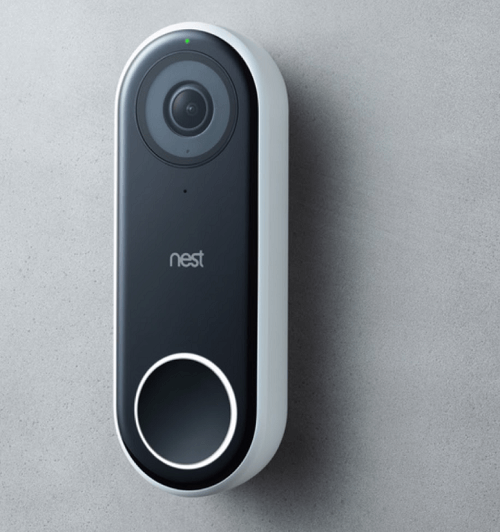
One of the best wireless doorbell camera brands is Nest. They’re known for their range of thermostats but have recently made forays into doorbell cameras as well. The Nest Hello Video Doorbell is a 2018 model that has a 160-degree field of view and infrared night vision, working well with Google Assistant and Alexa.
Through AI, it can distinguish between people animals, objects, and cars. It can even identify specific visitors. However, it lacks local storage, which may be a dealbreaker for some. Fortunately, its minimalist design makes it a good option for those who want an unobtrusive security system.
Lastly, Nest’s motion zones feature can cut down on false alarms and highlight activity by specific doors or windows.
Ring
Some may also say that the best doorbell security camera is the most popular, and judging by the number of offerings by Ring, their doorbell cam range is one of the most well-reviewed. Ring video doorbells come in several shapes and sizes, ranging from the Ring Video Doorbell 2, Ring Video Doorbell 3, Video Doorbell 3 Plus, and the Ring Video Doorbell Pro.
There are different pros and cons associated with each model, with the 3 Plus being rated as the best one overall. It has different options for power features and the capacity to record four seconds before a motion event is triggered.
However, all models come equipped with a motion detection feature, two-way audio, night vision, and a real-time video feed from the Ring app.
Eufy
The Eufy Video Doorbell has some great features, including 4GB of built-in storage — which not a lot of video doorbells tend to have. It also has voice responses along with voice commands such as”We’ll be right there” or “Please leave it at the door” with the option to record your own messages.
Topping the already crystal clear 1080p HD, it comes with a 2K HDR camera that has a wide-angle view removing camera distortion. It’s also a smart doorbell with facial recognition technology and can even send clips and images to your Apple Watch.
Arlo
The Arlo Video Doorbell is the first doorbell camera that the company has to offer. Its range of features includes 1080p video, a wide 180-degree viewing angle, and up to 20 feet of night vision video.
It’s relatively easy to install if you have knowledge of electric wiring. This camera also works well with Alexa voice commands and other Arlo devices, making it worth its price tag at a modest $149.99. However, you have to pay extra fees for smart motion detection and the ability to set up custom motion activity zones.
August
If you already have other August smart home devices set up like the August Lock, the August Doorbell Cam seamlessly integrates with this in-app. It’s one of the best video doorbell options if you’re looking for real-time video monitoring for easy supervision.
On the other hand, it doesn’t come with 1080p HD. It has a 960p camera and also charges a monthly or yearly fee to pay for the saving of video clips.
On a positive note, it has a sleek circular design that’s subtle and modern.
SimpliSafe
The Pro SimpliSafe Video Doorbell includes some of our favorite features. With 1080p video, infrared night vision, and a 162-degree field of vision, it’s currently one of the best doorbell cameras out there at $169.
It should be mentioned that it needs to be hardwired to your existing doorbell, which may be bad news for renters. Cloud storage is also relatively costly for the SimpliSafe Video Doorbell Pro, which is something else to consider.
However, wired systems are less vulnerable to signal interference and theft compared to their wireless counterparts.
Once you’ve made the decision to purchase a doorbell camera for your home, you’ll start to wonder how you’ve gone this far without looking into video doorbells. The important thing is to avoid complacency when it comes to keeping you and your loved ones safe and having one by your door will do just that.
Have any other recommendations to make? Comment below!
Children consider bathrooms to be a place to have fun. They like to play with water and because of their curious nature, they want to explore everything. The problem is, bathrooms are not safe at all. They are full of germs and bacterias and can cause illness.
Other than this, bathrooms are a birthplace for hazards with children at home. The sink, bathtub, cleaning products, sanitary products, as well as electrical beauty appliances can be unsafe for children when left unsupervised.
Here are some tips to keep a bathroom safe for children
Keep the children in Sight
Always keep the children in sight. They will disappear for one second and the next thing you know they will be soaking themselves in water. So don’t ever let them out of your site to keep them protected.
Safety on doors
Try to apply safety on doors by installing child locks to keep the door closed all the time. So, if they want to visit the bathroom they have to ask for your permission and that is how you can always be aware of when they are in the bathroom and you can accompany them.
Drain water completely
If you take a bath or bathe your child, make sure to drain the water completely from the bathtub to avoid any unfortunate event. Don’t indulge yourself in other chores before draining the water from the bath to ensure the safety of your children.
If you noticed a leak, you should immediately call a plumber near you to inspect the pipes and where the leaks are coming from. That way, you can prevent wet and dump floors that may cause accidents.
Install baby gates
Baby gates can be a huge help if you are the only person that has to take care of the children in the house. Installing baby gates around the place where they usually are can stop them from visiting the bathroom, again and again, and give you peace of mind.
Sink baths
Try to avoid bathtubs if you are skeptical about accidents happening during baths. You can give a quick bath to toddlers in the sink unless they are of appropriate age to use the bathtub for baths.
Use non-slip mats
If you are okay with your children taking baths, consider using non-slip mats inside your bathtubs. There are adhesive mats available for inside and outside of the bathtub to avoid any slipping accidents. You can just stick these to the floor of the bathroom as well as the bathtub.
Scald guards
Applying a scald guard on your faucet can avoid any injury due to extremely hot water. Children can not change the temperature of the water by themselves which protects against burn and injuries, and you can be carefree from this.
Use bath seats
You can always get a bath seat for your children to sit in during baths. This will avoid slipping because the children won’t be jumping in the tub. You can place the seat in such a way that they can’t reach the taps to avoid water overflowing or burn injury.
Prefer showers
Avoid the baths altogether and promote showers among your children. That way, you can reduce the risk of any drowning or slipping accident.
Mop and Dry
Mop and dry your bathroom regularly so that even when your children go into the bathroom they don’t meet the wet floor which is the main cause of slipping accidents. This is a common issue, especially in tiled bathrooms. The best way to prevent this problem is to choose rough tiles that are not slippy when wet.
Conceal Sharp Edges
You should conceal all the sharp edges in the bathroom so that if all else fails and some accident happens, the damage can be minimized.
Make these your daily practices and hopefully, your children will be safe in their home.
In the constantly evolving world of healthcare, ensuring patient safety is essential. Now, more than ever, the spotlight is on the ethical considerations surrounding patient safety in clinical trials, a domain largely dominated by Contract Research Organizations (CROs). Let’s explore the challenges faced in this critical area and provide effective solutions to help maintain the sensitive balance between scientific progress and patient well-being.
The Vital Role of CROs in Clinical Trials
Clinical trials are the backbone of medical advancements. They pave the way for innovative treatments, medications, and therapies. CROs (Contract Research Organizations) are important in facilitating these trials and providing the expertise, infrastructure, and resources necessary for their success. However, this role has many ethical considerations, particularly regarding patient safety.
Challenges in Ethical Considerations for Patient Safety
Informed Consent
Obtaining informed consent is a cornerstone of ethical patient participation in clinical trials.Yet, complexities arise when patients with varying levels of understanding are involved. Ensuring patients understand the risks and benefits is a persistent challenge, especially in multinational trials with language and cultural barriers.
Solution: CROs should invest in explicit, multilingual communication materials and ensure patients can access interpreters when needed. Transparent communication about the trial process, potential risks, and expected benefits is essential.
Vulnerable Populations
Including vulnerable populations, such as children, the elderly, and those with cognitive impairments, poses ethical dilemmas. Balancing the need for scientific progress with the protection of these groups can be challenging.
Solution: Implementing stricter criteria and increased oversight for vulnerable populations is essential. Ethical review boards should be stringent in evaluating trials involving these groups.
Data Integrity
Maintaining data integrity and transparency is vital for patient safety in clinical trials. Manipulation or withholding of data can lead to serious ethical violations.
Solution: Contract Research Organizationsmust adhere to rigorous data collection and reporting standards, allowing for unbiased analysis and decision-making. Independent audits can also ensure the integrity of data.
Conflicts of Interest
Conflicts of interest are inevitable, given the financial stakes of clinical trials. However, they should never compromise the ethical standards of patient safety. CROs often have financial interests in the success of clinical trials. This can lead to potential conflicts of interest.
Solution: Establishing a robust ethical framework that prioritizes patient well-being over financial gain is essential. Transparency regarding financial interests is key, and independent ethical oversight can help mitigate these conflicts.
Solutions to Improve Ethical Patient Safety in Clinical Trials
Strengthen Ethical Oversight
The establishment of rigorous ethical oversight committees is important. These committees should include diverse perspectives, including patient advocates, to ensure a balanced evaluation of the trials. Independent ethical review boards can prevent undue influence on the trial’s progress.
Enhance Transparency and Clear Communication
Transparency is important in clinical trials. Patients deserve clarity, empathy, and transparency throughout their participation, regardless of language or cultural differences. CROs should invest in educating their staff to deliver this message effectively and to address patients’ concerns in real time. All stakeholders, including patients, should have access to relevant information about the trial. CROs must proactively disclose potential conflicts of interest and maintain open communication channels with patients.
Prioritize Patient Education
Investing in comprehensive patient education materials and processes is essential. Patients must fully understand the trial’s purpose, procedures, potential risks, and benefits. Multilingual, culturally sensitive materials should be made available.
Data Integrity and Quality Assurance
Data integrity is the lifeblood of clinical trials and should be treated with the utmost respect. In a world dominated by technology, ensuring that data is accurate and reliable requires sophisticated quality assurance measures. CROs should adopt robust data collection and reporting standards. Independent audits and validation processes can help ensure data integrity and prevent unethical practices.
Consistent International Standards
To address the complexities of multinational trials, it is important to establish consistent international standards for ethical considerations in patient safety. Harmonizing these standards can reduce confusion and ensure that all participants are protected equally.
The ethical considerations for patient safety within clinical trials, where CROs play an important role, are complex but manageable. It is essential for all stakeholders, from CROs to researchers, regulatory bodies, and patients, to collaborate and prioritize the well-being of individuals who participate in these trials.
We can balance scientific progress and patient safety by strengthening ethical oversight, improving transparency, prioritizing patient education, ensuring data integrity, and establishing consistent international standards. We can continue to advance healthcare ethically and responsibly only by addressing these challenges and implementing these solutions.
Final Thoughts
The success of clinical trialsshould not be measured only in terms of scientific breakthroughs but also by the ethical and moral values that guide them, placing patient safety at the forefront of progress. CROs can uphold the highest ethical standards in clinical trials. It is not only a moral imperative but a necessary step to ensure that medical advancements are built upon a foundation of trust, transparency, and patient welfare.
Children’s safety is a primary concern among parents. Sometimes, even in their teens, we still see parents constantly checking out on their children to make sure that everything is okay.
Parents taking care of children who just recently started going out on their own understand this pretty well. Even though you should trust children and their ability to take care of themselves, it’s normal to always be on the lookout for your little ones.
As such, one of the simplest ways that parents can keep tabs of their children is through the use of GPS trackers for kids. Keep reading below to find out how these devices work and how you can choose the best one for your family.
How Does GPS Work?
GPS is an acronym for Global Positioning System. It is a navigation satellite system that can provide not just one’s location, but also their velocity and time synchronization.
The original system was developed to determine the geographical locations of the military and civilians accurately. It makes use of the satellites orbiting Earth. The information sent by these satellites gets triangulated, making it possible to determine a user’s location.
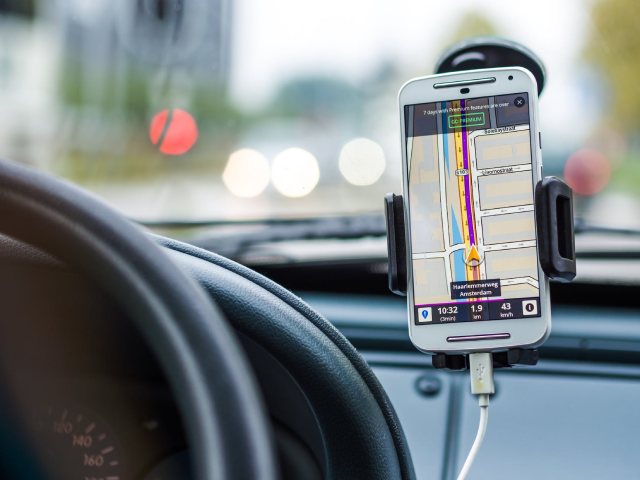
Nowadays, such technology is present in our everyday devices. Cars have it to assist in navigation, and applications such as Waze or Google Maps use this technology to help drivers pick optimum routes. This allows drivers to avoid roads with heavy traffic, and can help them conserve fuel and shorten their travel time.
This technology is now being used for entertainment as well. Mobile games such as Pokemon Go and Wizards Unite use it to simulate a real-world environment. Mobile phones use this system as a navigation tool and to enable specific applications, such as Uber.
What are GPS Trackers for Kids?
A kids GPS tracker is a device that enables a parent to pinpoint a child’s location. A kid tracker is usually small and portable, thereby allowing for location tracking that doesn’t get in the way of your child’s activities. The right device will have days of battery life while letting you monitor your child’s real-time location anywhere in the world. Some trackers for kids even have an accompanying smartphone app for ease of use.
These devices also have emergency features that your little ones can use if they get lost. This is usually activated using a help or SOS button that can be pressed in case of emergencies; your device might even offer two way calling. All things considered, they’re absolutely necessary for parents’ peace of mind.
What to Look for in a Kids GPS Tracker
With many device options for kids available in the market, choosing the right tracker can be difficult. How do you know which one will do a great job of helping keep your child safe? Here are some of the things that a parent should look out for when choosing the best device for their kids.
1. User-friendly
It’s safe to say that ease of use should be a major consideration in choosing a device for your child.
Of course, the right device should also be easy to operate on the parents’ end. As mentioned previously, some devices have companion applications. Seeing your child’s location in real time right in your phone also means you can start using the device right away, without spending too much time learning fancy software.
Indeed, there are lots of things you can do with these companion applications. Aside from seeing snapshots of where your child visited, you (or perhaps other family members if you can register them in the system) can also be immediately notified if your child is out of the device’s range.
2. Accuracy
Accuracy is a major consideration when looking for the best GPS device for your kid.
As much as possible, check on reviews of parents who use a particular device. You can look for comments about its accuracy. As a good rule of thumb, the right device should display your child’s GPS location within a radius of a few feet.
3. Range
Most devices make use of wireless signals to help their location services. This means that they often rely on cellular networks and can work almost anywhere with the proper sim card. When looking for the best GPS device, you should look for ones that can work properly, even in areas where cellular reception may be spotty.
Geofencing is also something to look out for.
Simply put, this is a virtual perimeter that applies to the real world. It can be used to indicate specific zones or boundaries where kids are allowed to go. Using geofencing, you can also specify prohibited areas. The tracker will then send a notification if a child goes into an area that is prohibited, thereby adding another layer of safety when it comes to using this tool.
As much as possible, get a device that will work even inside buildings. This is an important consideration to make, as your child tracker might not work well inside insulated walls or huge buildings. Devices with low ranges can make it difficult for you to track your child.
4. Communication
Some trackers have two-way communications embedded in them, which may be a must for some families. With two-way communications capabilities, little ones can immediately speak with parents if needed. This is especially useful for kids who are too young to have their own mobile phones and have no other way to contact their parents.
A help button, a panic button, or an SOS button will be useful for your little ones in case they need immediate assistance from their parents. A child just needs to press the help button in case the child gets lost or needs help. A notification will be sent to the child’s parent to make the parent aware of the child’s situation.
It can also be a good way for a child to alert a parent silently if the child is in danger. Knowing that there is a way for the child to discreetly inform a parent that help is needed can bring peace of mind to both the parent and the child.
Be sure to orient the child on how to use an SOS button during emergencies properly. It is also important to emphasize to a child the importance of using the help button only when truly needed.
5. Games
Since some might not be too keen on wearing a GPS tracker, having a tracker with embedded games can help convince a child to keep wearing their device. On that note, it’s important that your kid tracker still offers long battery life even with all these games included. Battery life should not be sacrificed for a quick game!
6. Design
Like most of the products and devices that we purchase, it wouldn’t hurt if a kids GPS tracker works well and still looks great. Since we are talking about a device that kids will use, you should try and look for trackers that will appeal to them. This will also lessen the likelihood of kids refusing to bring a tracker with them.
A GPS tracker for kids should be easy to use for young children. When shopping for a GPS watch for kids, keep in mind that the user should easily use the tracker in case of emergencies.
On that note, the best GPS trackers are are appropriately labeled and can easily be read by a young child. If the user cannot read just yet, look for a tracker with big buttons. Younger kids often haven’t achieved the level of dexterity required for using devices with small buttons. This might render the GPS tracker useless if the child cannot correctly use the tracker in case of emergencies.
7. Quality Materials
The best GPS device for kids should also be comfortable to wear. Look for one that’s made of materials that won’t irritate the skin — you can easily find a child tracker made of hypoallergenic materials for safe wearing.
Stretchable materials are also ideal for a GPS watch. These are comfortable to wear and won’t cause rubber burns. When a material is non-stretchable, it will frequently rub against the skin and result in skinning or chafing. This can cause discomfort and may result in a child refusing to use their GPS tracker again.
Using flexible or stretchable materials also has practical benefits. As a child grows, the child might outgrow the GPS tracker. Grown spurts can make a GPS tracker too small in just a matter of months. GPS trackers made of flexible materials can keep pace with the wearer’s growth. This is economical since a parent won’t need to buy new GPS trackers every time they experience a growth spurt.
8. Durability
A good GPS watch for kids should be made of durable materials. Children are very active, and their device should be able to keep up with such a lifestyle. The best GPS tracking device should be shock resistant, and maybe even waterproof if your little one is really adventurous.
As much as possible, you’ll want one with a shatter-proof face. This can help protect the tracker from getting cracked or damaged.
GPS trackers are also dirt magnets and need frequent washing. Washing your tracker frequently can help keep it safe from damages, and can also help safeguard the health of the your child.
Durability is a key consideration if you really want some peace of mind when letting your kids use their GPS watch. A shock resistant watch should still allow for two-way voice calls should the need arise.
9. Long Battery Life
Tracking location in real time can quickly drain battery life: this is evident to those who use GPS tracking extensively on their mobile phones. Some trackers also update their location every 10 seconds, which is great for safety but not so much for battery life.
As such, try and look for a kid tracking device with batteries that last for more than one day when fully charged.
Aside from having a one-day battery life, you might also want to look for one that has fast-charging batteries. Some GPS trackers also have mobile charging stations that can be plugged into a car’s charging port. Relying on a device with long battery life means you can allow your child to wander a little far away while still knowing you can easily have a two-way voice call as needed.
10. Price
Good products don’t always have to be expensive. The best GPS trackers pack outstanding features at a competitive price; this is an important consideration, as safety should be something that is accessible to all families.
When working on a budget, the best thing to do is look at the features of a GPS tracker.
Lots of device brands try to outdo each other by coming up with additional features. This means that the more expensive trackers will usually have more features compared to cheaper ones. Analyze these features and determine if these features are vital or if they are just nice-to-haves.
Types of GPS Tracker for Kids
GPS trackers for kids come in different forms. Each form has its advantages and disadvantages, so it’s important to choose the right one that ensures your kid’s safety, promises ease of use, and fits into your budget.
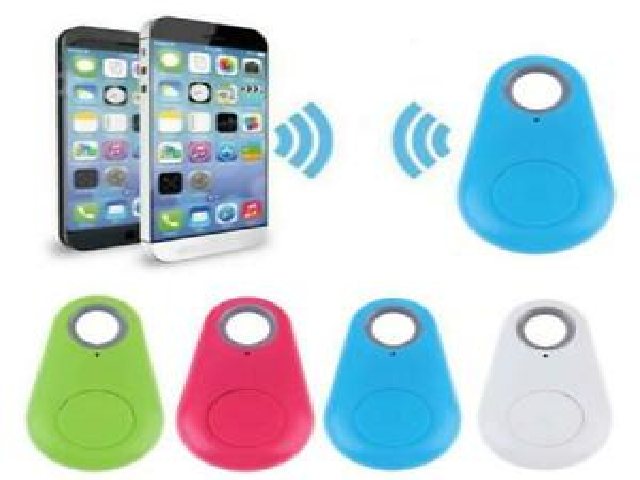
GPS Tag
Image from Google: GPS Tag
This is the simplest form of GPS tracking for kids available today. They are small and discreet. They are also lightweight. These tags are easy to attach to a child’s belt loops, or even to shoelaces.
The disadvantage of this type of GPS tracker is its limited functionality. They can accurately track a child’s location, but that’s just about it. It doesn’t have other functionalities like two-way calling.
This is an excellent option, though, for those who need a simple tracking device without all the bells and whistles of a more complex option.
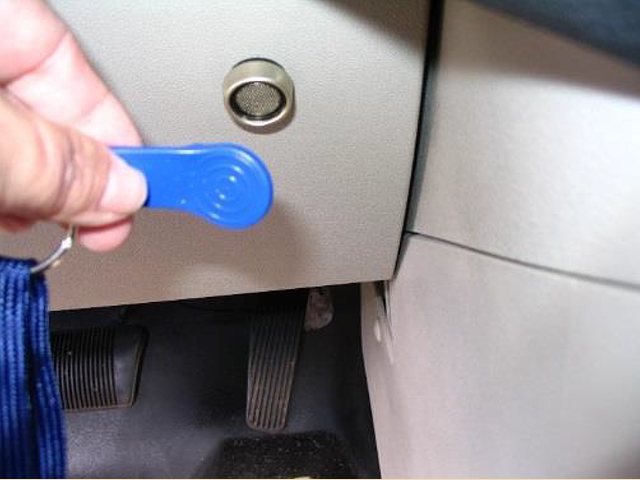
Fob
Image from Google: FOB
Fobs are tracking devices that are bigger than GPS tags: they are about the same size as car key fobs. What’s good about these trackers for kids is they often have embedded two-way speakers on them, which will allow parents and children to speak to one another in case of emergencies.
However, your kid might not enjoy having it on him or her because of how bulky these fobs can be.
Smartwatch
Image from Google: Kids Smart Watch
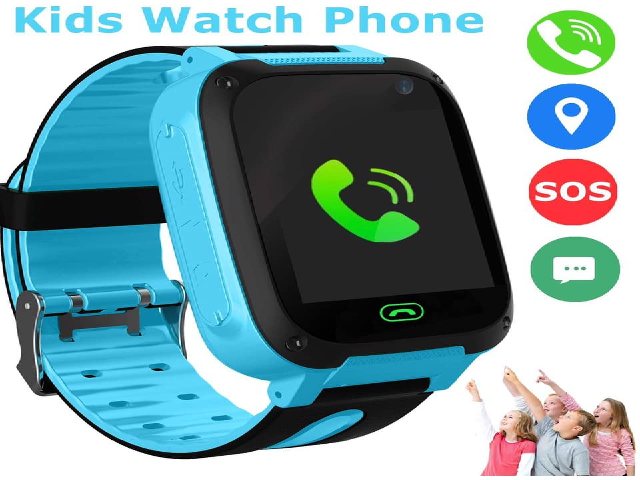
These are the most feature-packed options you can get among GPS kid trackers. A tracker watch work just like smartwatches for adults. Aside from tracking one’s location, most of them have call and text functionalities thanks to a sim card. They also have LCD screens where children can read information, such as an Amber alert.
Children can also play games on smartwatches, and it can be used as a fitness tracker in instances where your child’s health has to be constantly monitored.
With all of its features, a GPS watch is the most expensive tracker on the market.
Alternatively, an inexpensive version that doesn’t have all the features of a tracker watch for kids is a a GPS bracelet. This is just a simple bracelet containing a the same location tracking mechanism. These bracelets are often just GPS tags on a wristband with a digital clockface.
FAQ
Can you put a tracking chip in your child?
No, it is not possible to implant a tracking chip into a child. The current technology we have doesn’t allow for a tracking chip to be implanted under the skin, and that’s without all the other health questions that come with this kind of technology.
What is the smallest GPS tracker?
The smallest GPS tracker is the Nano Hornet. It was developed by OriginGPs and measures 10 x 10x 5.8mm in dimension and weighs just 2.5 grams. Because of this, it can easily be embedded into a necklace pendant or any other small carrier to make sure it doesn’t interfere with your kid’s day-to-day activities.
How can I track my child?
The safest and most reliable way of monitoring a child is through a GPS tracker for kids. If you want to track your child, you need to use the companion app that came with the tracker. The app will show you a real-time view of the location of your child. Most companion apps also let parents set specific times when a parent will receive automatic updates about a child’s location. A parent can choose to have the tracker send a child’s location every few minutes, every 30 minutes, or whatever intervals a parent chooses.
Conclusion
Technological advancements have been making lives easier these past few decades. Most notably, GPS tracking developments have evolved to guarantee children’s safety. Lots of these trackers have a dedicated SOS button, can work across all sorts of time zones, and are still easy to use for families.
The best GPS trackers for kids can help keep young children safe at all times. Indeed, children can even use their tracking devices to seek help during emergencies: some trackers even work as two-way radios so parents can keep in touch with their children.
Before purchasing a GPS tracker for kids, check all information about the tracker you plan to buy. This will help ensure that you are getting the best possible tracker for your kid that can keep your child safe and secure at all times.
Tell us what kind of GPS tracker for kids you prefer. Comment below if you have any questions, or if there’s anything else you want us to tackle!
When we talk about home improvement and security, most people bring up motion detectors or cameras. Unfortunately, other dangers undetectable by these devices may be present. Naturally occurring gasses can pose a dangerous threat to a family’s health. Radon detectors exist for this very reason.
Air quality is not something we talk about much when we discuss our home. As long as nothing smells outright wrong, we assume that we must be okay. What we don’t know is that harsher gasses may be mixing around the air.
What is radon?
Radon, an inert radioactive gas, is a harmful substance capable of causing lung cancer in individuals. So much so that the Environmental Protection Agency, or the EPA, has reported that radon gas is the second most common cause of the disease in the United States.
The natural occurrence of radon also means that we can’t really predict where and when it will show up. Cracks in the flooring can lead to leaks, trapping radon inside homes or buildings. What makes matters worse is that the odor of radon is not easily noticeable.
For this reason, the EPA has advised homeowners to test their own homes for radon via a radon test kits or specifically, a radon detector. With these tools, individuals can detect the radon level and perform radon mitigation to decrease any risk at home.
What is a radon detector?
Due to the nature of radon gas, it is difficult to accurately measure radon levels without some form of radon gas detector or test kit. Generally, there are two types of radon tests — passive and active tests.
Passive tests use test kits to gather samples, which are then tested by lab professionals. This means that users can use the kit to sample for 2-90 days for the short term, and 90 days or more for the long term. The collected data from the kit is then sent to a lab who finishes the rest of the test before you can get your test results.
Shipping fees for the samples will either be covered by the cost of the product or the homeowner. Unfortunately, lab fees for some states make this this radon test kit unreasonable as lab fees are not at a flat rate.
Active tests, on the other hand, are radon test kits that can give accurate and immediate readings. They are usually pricier than their passive counterparts but for good reason. This test is what is most common and advisable for homeowners who want to monitor radon levels and can invest a little more into their property.
With active tests, the homeowner will not need to consider shipping, delivery, or lab fees. However, a power source must be considered when using these tests. This will become a factor when choosing devices as some run on battery power and others rely on outlets.
In either case, these are devices designed to give results as soon as they’re available to give homeowners more time to deal with any potential problems. Fortunately, developments in technology have allowed the radon gas detector to be purchased at a more affordable price.
Factors to consider when choosing a radon detector
Power source
The power source of your radon detector is a factor in terms of placement. What makes this factor easy to consider is that you only have two options to choose from.
Battery operated devices are usually easier to place. Since power outlets are unnecessary, the device can be placed in most locations. This means having the ability to constantly move one device to different rooms for separate checks.
Unfortunately, the drawback of battery operated devices is that the device will have to be charged or have its batteries replaced. While this may not be so often, it also means you can’t just leave the radon detector and forget about it.
Power outlet devices are more common because of that. Since the device is connected directly to the home’s power, the only thing people have to worry about is the readings of radon in your home. This also means that you are limited by the number of plugs you may have at home.
Accuracy
The accuracy of the device is probably the most important factor to consider. After all, the point of having a radon detector is to detect the radon level at home. What would be the point if the device you paid good money for doesn’t do the thing it’s made for?
The best way to tackle the issue would be to check for reviews just like this one. Even better is finding reviews from people who have these installed permanently at home or work. First-hand knowledge is the best way to learn more about the benefits and the quirks of the radon detector.
For those who have a technological background, it might help if you can find the technical specifications of the device. This can help you figure out how the company designed the product to provide consistently accurate readings.
Features
Aside from measuring radon levels at home, most manufacturers include features in their products to make them unique. These will range from cosmetic to functional features that improve the user’s experience.
Of course, this also means that the feature that you’re looking at might not be the best for you. To help yourself out, figure out what you need for your home in the long term.
Do you have a large basement? Do you live in an area that experiences a lot of power outages? Or do you want to avoid having to check on the device itself and just glance at your phone for the details?
These are some of the questions you should be able to answer before settling on a radon detector, aside from the price of course.
Best radon detectors
1. Radon Eye RD200
The Radon Eye RD200 starts off our list as one of the best electronic radon gas detectors. The company boasts that they have developed a device that is 20x more sensitive compared to competitors, making radon mitigation an easier task to accomplish. Radon credits this feat to the device’s dual pulse ionization that boosts its accuracy.
As for connectivity, this device allows users to connect it to their smartphone or their PC, which makes data analysis much easier for those who understand the graphs. It even lets you export the data directly onto Microsoft Excel!
For us though, the best part would have to be how instantaneous results can be. How quickly can this thing test? Well, some users have reported results within 24 hours and even the first hour after installing the detector. That surely beats waiting a week for a lab result.
2. Airthings Wave Smart Radon Detector
As with most things these days, a smart version is available. That goes for radon detectors as well. The Airthings Wave is a unique tool in that it compresses the necessary technology in a small form.
Unfortunately, this also means not having an interface to look at on the device itself. The great thing, however, is that the digital radon detector sends all that data to the companion app. This way, at least, the detector can bring you in-depth results right to your smartphone.
Additionally, this device provides a continuous measurement of air quality. What this means for you is a steady stream of information about radon content, air temperature, and even humidity all from one product.
3. Safety Siren Pro Series 3
While the Safety Siren Pro might not be that affordable, it still deserves a place on this list. That’s because it’s been evaluated by the EPA, the accepted professionals when it comes to these things. Passing that test means this radon detection kit means serious business.
The Safety Siren also provides a continuous read, just like the Airthings Wave. That steady stream of information is featured on the built-in display that, we have to say, is very easy to read. All that with the benefits of both long and short term readings.
In terms of radon testing, the Safety Siren samples the air in your home every hour. To make sure its readings are accurate, the device also self-tests every day. To monitor radon levels, this device is also dependent on a wall outlet, meaning no risk of it dying save for a power loss, improving your peace of mind.
4. Radex MR107
In terms of radon detectors, the MR107 is the most serious looking one of them all. Like the rest, it’s an active radon detector built for consumers. That being said, this one is also rated for workplace environments.
The Radex MR107 also advertises itself as a user-friendly device. To prove that, the device comes with software that enables easy data transfer and analysis on any home computer. The device does come with a screen, albeit a pretty small one.
In terms of the products’ features, the Radex can also be programmed to sound an alarm if high levels of radon are detected. That means radon gas exposure should be a thing of the past with one of these things around.
5. Airthings Corentium Home
The Corentium Home by Airthings is probably the most aesthetic of the products. On the surface, it looks like a thermostat remote but in function, serves as an important tool. The size also means that this thing is more portable than its competitors.
In terms of speed of results, the Corentium Home Radon Detector takes a little longer than, say, the Radon Eye. Still, 24 hours is not that long a time compared to having to mail the actual sample and waiting for the lab tests.
While reading radon levels in your home isn’t as fast, that doesn’t mean that the Corentium Home by Airthings is a bad device. Among the rest, it’s probably the one with the most comprehensive digital display. After all, it doesn’t need any external device to read the levels of radon at home.
Where to place a radon detector
Of course, you can’t simply just purchase a radon monitor and leave it in your kitchen. The point of the detector is to place it in areas where either: a) your family spends a lot of time in, or; b) in locations where the risk of having dangerous radon levels is high.
Since radon gas comes up from the ground, there are a couple of key places in your home for radon monitors. In a typical home, the best places to have radon detectors are basements and living rooms. Basements, in particular, have the highest risk of radon gas level increases.
For obvious reasons, the living room and other similar rooms should be monitored for radon levels. With radon exposure dangerous to both kids and adults, you’ll want to make sure that the busiest room is safe.
What to do if radon is detected
Radon levels in your home should be constantly monitored for risks. In case the radon levels reach a dangerous number, the best option would be to contact EPA certified professionals to deal with the issue. After all, the risk of lung cancer should be kept in mind.
In the meantime, radon leaks can be mitigated by using a sealing product to seal any cracks or spaces where radon may have leaked. Check out the results of the radon detectors analysis to gain a better understanding of where exactly the leak is.
If you have any additional questions, feel free to comment below
The world of hidden security cameras or spy cameras are still quite a mystery for some people. This is understandable as home cameras have yet to gain the mileage to become mainstays in American homes. However, there’s no doubt that the industry is bursting with potential. In fact, a study published at Statista highlights how the market for video surveillance is expected to be valued at $74.6 billion by the year 2025.
With that being said, the time for hidden cameras may come sooner rather than later. Given this, learning about this important piece of technology is crucial, so that you can be prepared if or when you ever choose to install hidden security cameras in your home.
To help you out with this, we’ve prepared a quick guide on everything you need to know about security cameras. This guide will include the uses of spy cams, the different types, and our recommendations for hidden security cameras that you can use for your home.
Why Invest In Hidden Security Cameras?
Before anything else, it’s important to understand why anyone would install hidden security cameras in their homes in the first place. And while there are countless reasons for doing so, we’ve boiled them down to three main reasons to simplify things.
1. Security
Photo taken from Pexel.com
According to a study conducted by the Pew Research Center, a majority of property crimes that occur in the United States go unsolved. It goes without saying that a hidden camera will help improve these statistics. This is especially true if the potential criminals are unaware of the presence of a camera in your home.
Having spy cameras with night vision can help identify the criminals in case of the unfortunate circumstance that your home gets broken into. A hidden camera, where it’s out of one’s field of view, could also lead to them being careless. This increases the chances of them revealing themselves when you review your video footage.
2. Safety
Photo taken from Pexels.com
Sometimes, you have to put other people in charge of your home. Whether it be a house sitter or a babysitter, it’s not easy for homeowners to trust strangers. This is where in-home surveillance can be quite useful. Nanny cams and other types of cameras in the living room or other areas can help you observe your space when you entrust it to others.
With that being said, you may want to consider letting people know that you have a camera system in the house. The one thing you have to remember is that safety is the main priority when it comes to making use of in-home surveillance. It’s not about catching someone in the act, but creating an overall safer space.
3. Surveillance
image from Pexels.com
The most important aspect of home security is being able to monitor your space. Given the technological advances, a spy camera can let homeowners keep an eye on their space wherever they are in the world. This level of access goes a long way when it comes to putting the minds of homeowners at ease.
This introduces a whole new degree of access, as homeowners can view their hidden camera recording through camera records from a memory card, or through Wi-Fi, via cloud storage technology. In fact, most camera features even allow the owners to view the feed via their mobile device.
Hidden Security Camera Types
Now, there are several types of hidden cameras you can use for home security. These cameras vary greatly when it comes to how they blend in with the environment and stay hidden from sight. So much so that some of them seem like they’re better suited to be used by super sleuths than humble homeowners.
1. Nanny Camera
image taken from Google: Nanny Cam
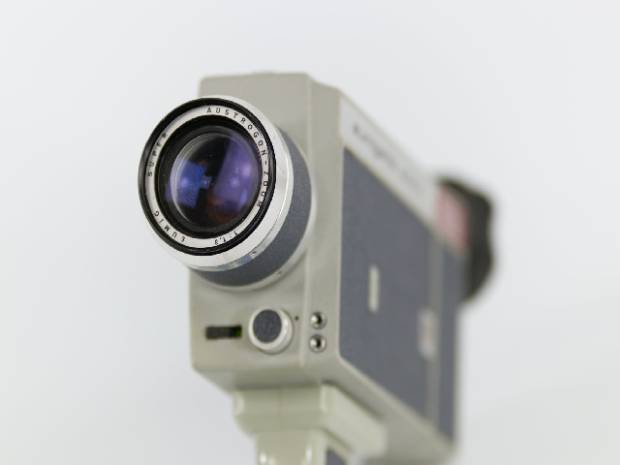
Nanny cameras are hidden cameras mostly used by homeowners who have children. This is often used to monitor the safety of the child when they’re with their babysitter or nanny while the parents aren’t around. Considering the nature of these cameras, they tend to blend in with the environment of the child’s room.
This is why some nanny cameras tend to look like toys or items that can be commonly found in a child’s room, such as a wall clock. In fact, the most popular nanny cameras come in the form of stuffed toys. This may seem a little unprofessional, but these hidden cameras come with high video quality to give parents the peace of mind that they deserve.
2. Smoke Detector Camera
image taken from Google: Smoke Detector Camera
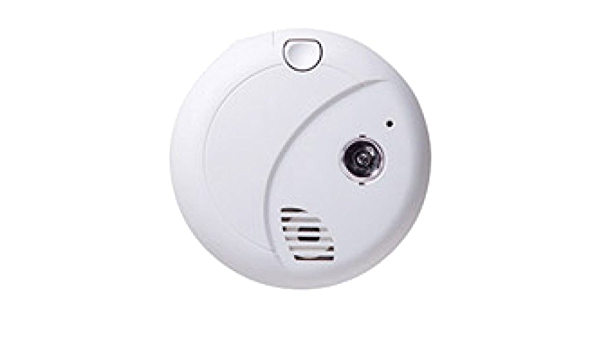
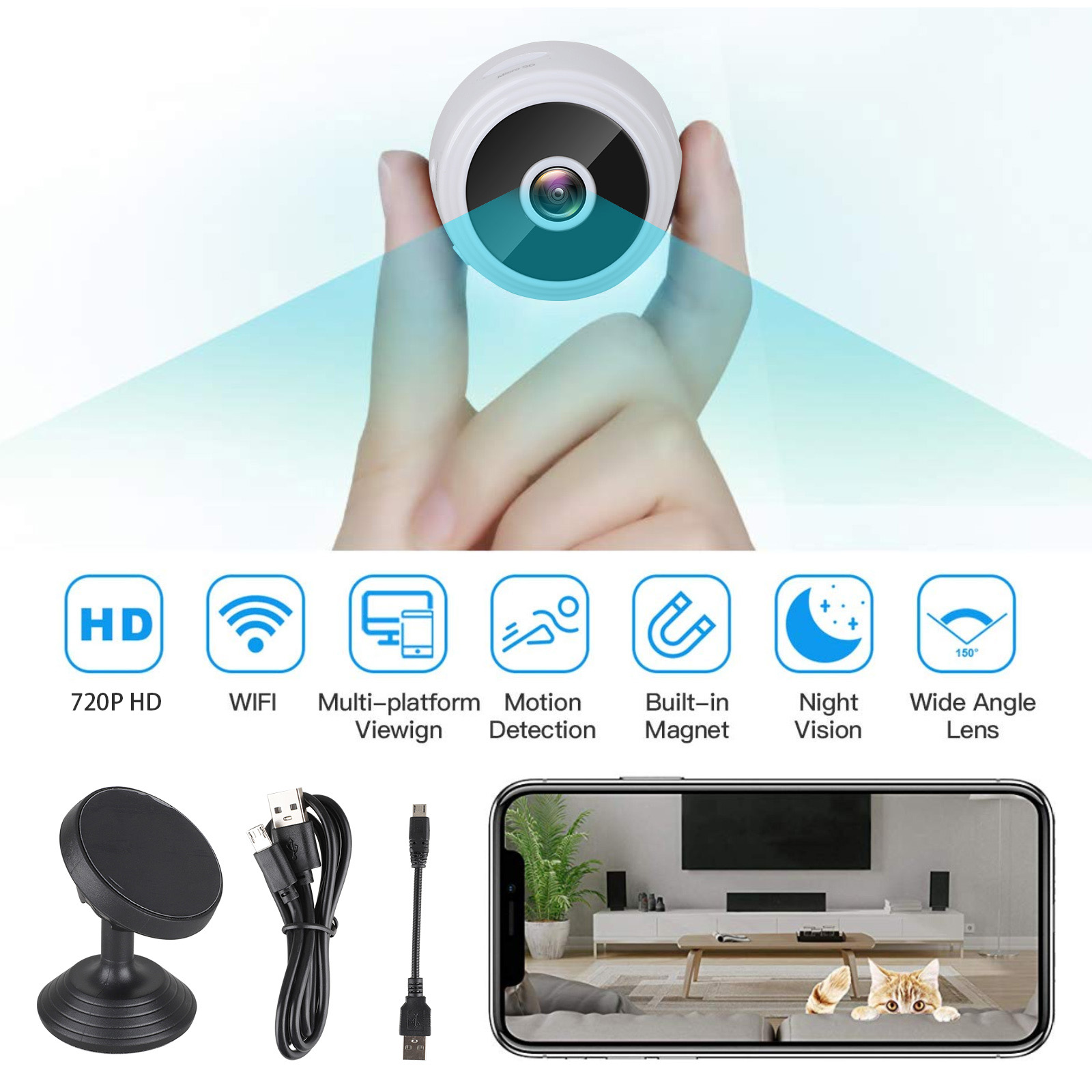
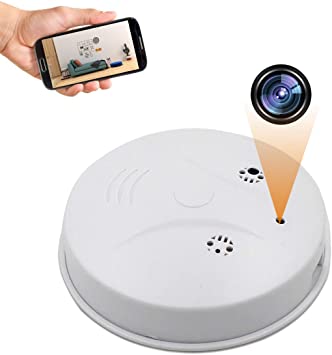
The smoke detector camera is a popular choice, as they tend to blend in rather easily no matter where you put them. As the name implies, this type of hidden camera is built into a smoke detector, and can fit in either a home or office setting.
This dual-purpose device is a great tool for home security. Considering they’ll be placed on the ceiling, these hidden spy cameras come with wireless functionality, which allows you to access the footage through its microSD card or the WiFi.
3. Standalone Hidden Camera
Image taken from Google: Stand Alone Camera
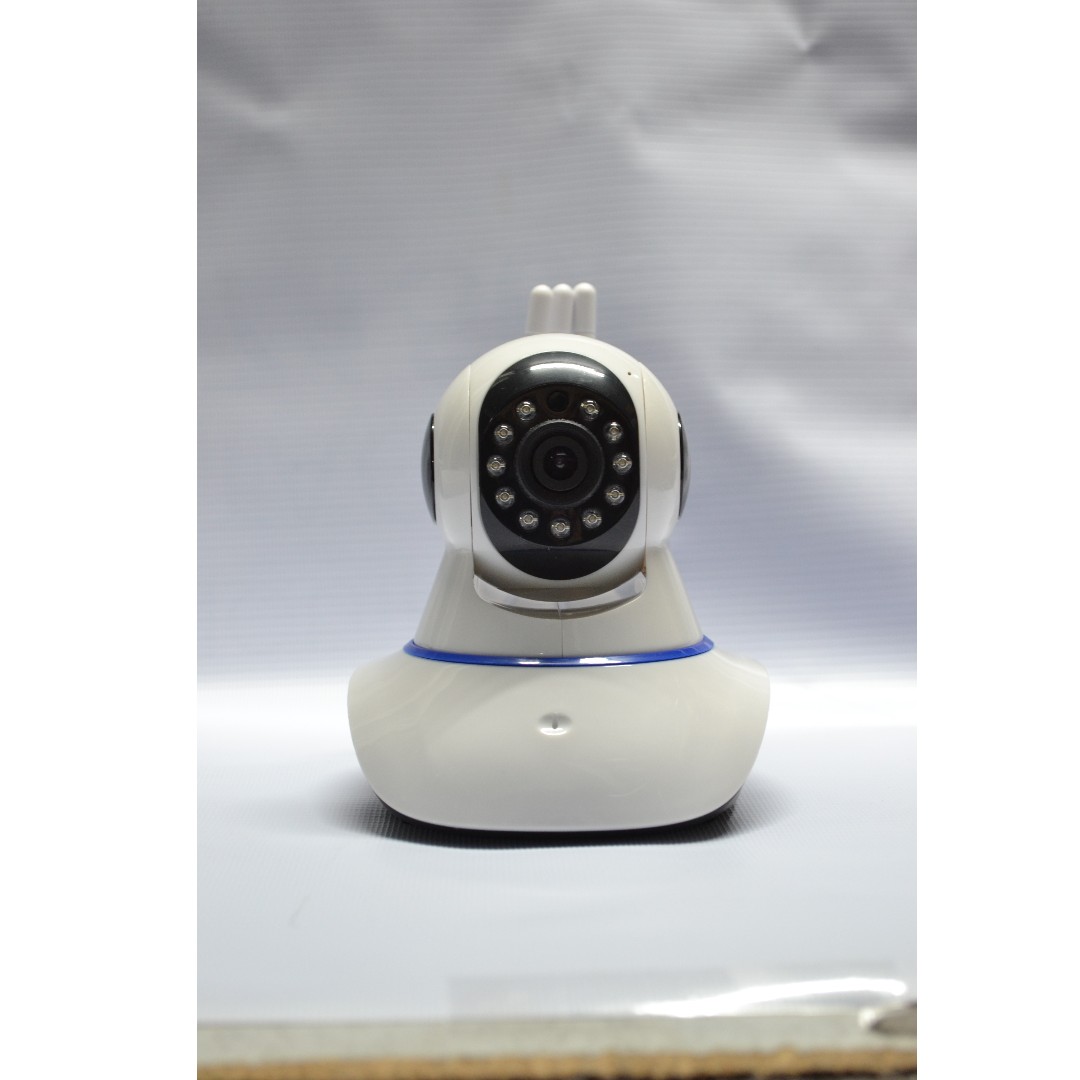
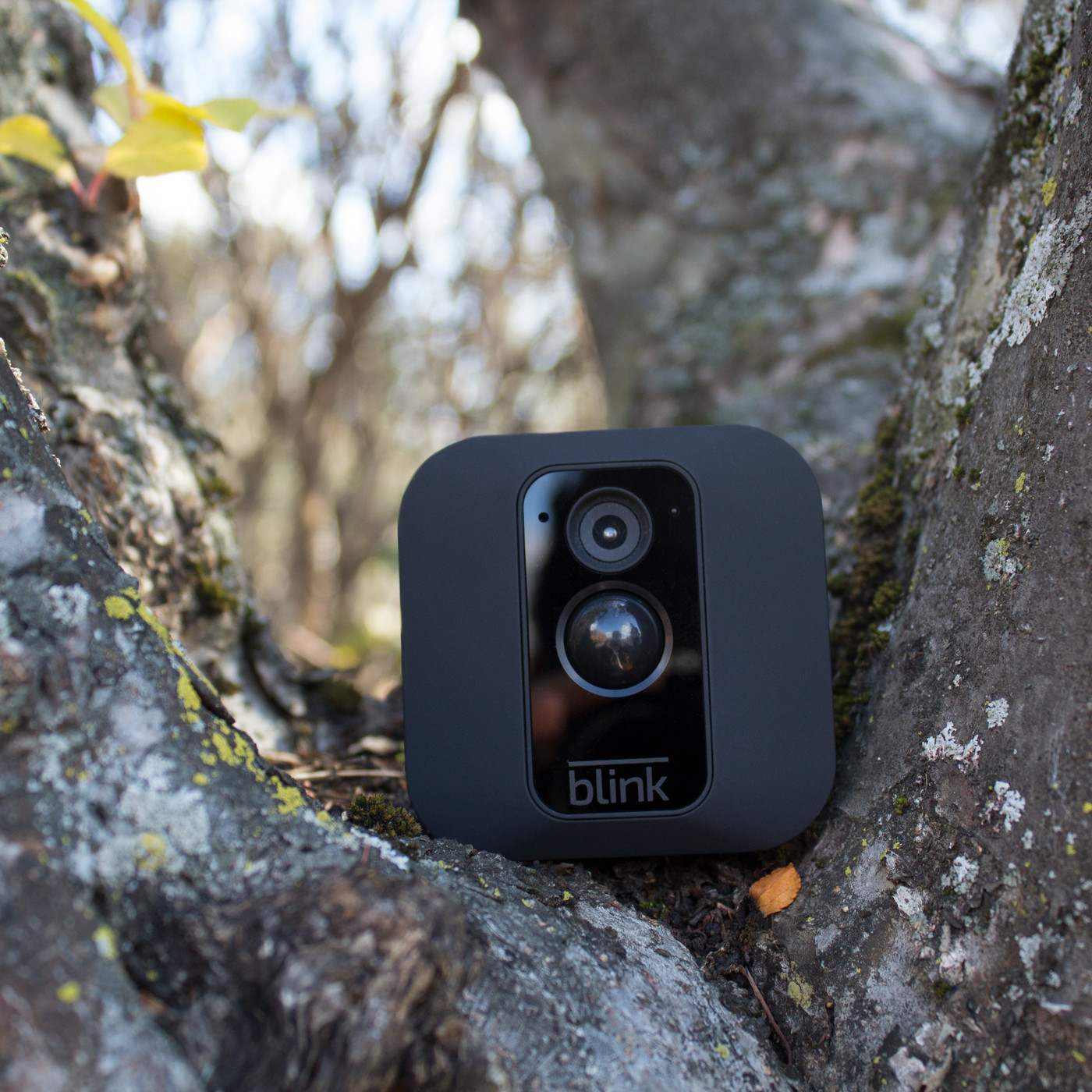
The standalone hidden camera is perfect if you want a no-frills hidden camera that can fit in any and all settings. Due to their flexibility, this can be used as a substitute or alternative to both of the previously mentioned camera types.
This type of camera is often small enough to be hidden in plain sight. Given its size, this type of spy camera is usually battery-powered or feature an inconspicuous power cord. While this may not be the most hidden of all the camera types, it will get the job done if placed in a strategic location.
Best Hidden Security Cameras
1. 4K Xtreme Life Wireless Teddy Bear Hidden Camera
Image taken from Google: 4K Xtreme Life Wireless Teddy Bear Hidden Camera
If you’re looking for a nanny cam, you’ll want something that is the perfect combination of form and function. This is what makes this spy cam one of the best options when it comes to nanny cams. To the untrained eye, this camera is no different from any other toy that would be in a child’s room.
This camera has a multitude of features including motion detection recording, HD video resolution, and an impressive 16-hours of battery life. All footage from the camera will be recorded on an SD card, which you may then review on your computer.
2. The Evertech Color Smoke Spy Detector
Image taken from Google: The Evertech Color Smoke Spy Detector
Given Evertech’s reputation as one of the best and reliable brands when it comes to domestic security products, it’s not really surprising that the Evertech Color Smoke Spy Detector has made it onto this list. When it comes to installation, this camera puts accessibility and ease of use first.
Just install it as you would any normal smoke detector and you should be good to go. What’s great about this is that it’s able to record video and detect smoke at the same time. This efficient device also lets you connect the video feed to a television or computer, and its features include high-quality video recording and audio recording.
However, it also lacks night vision — a crucial component of any security camera. But so long as it gives you the results and information you need, we’re sure this is a good option for you.
3. Puoneto
Images taken from Google: Puoneto
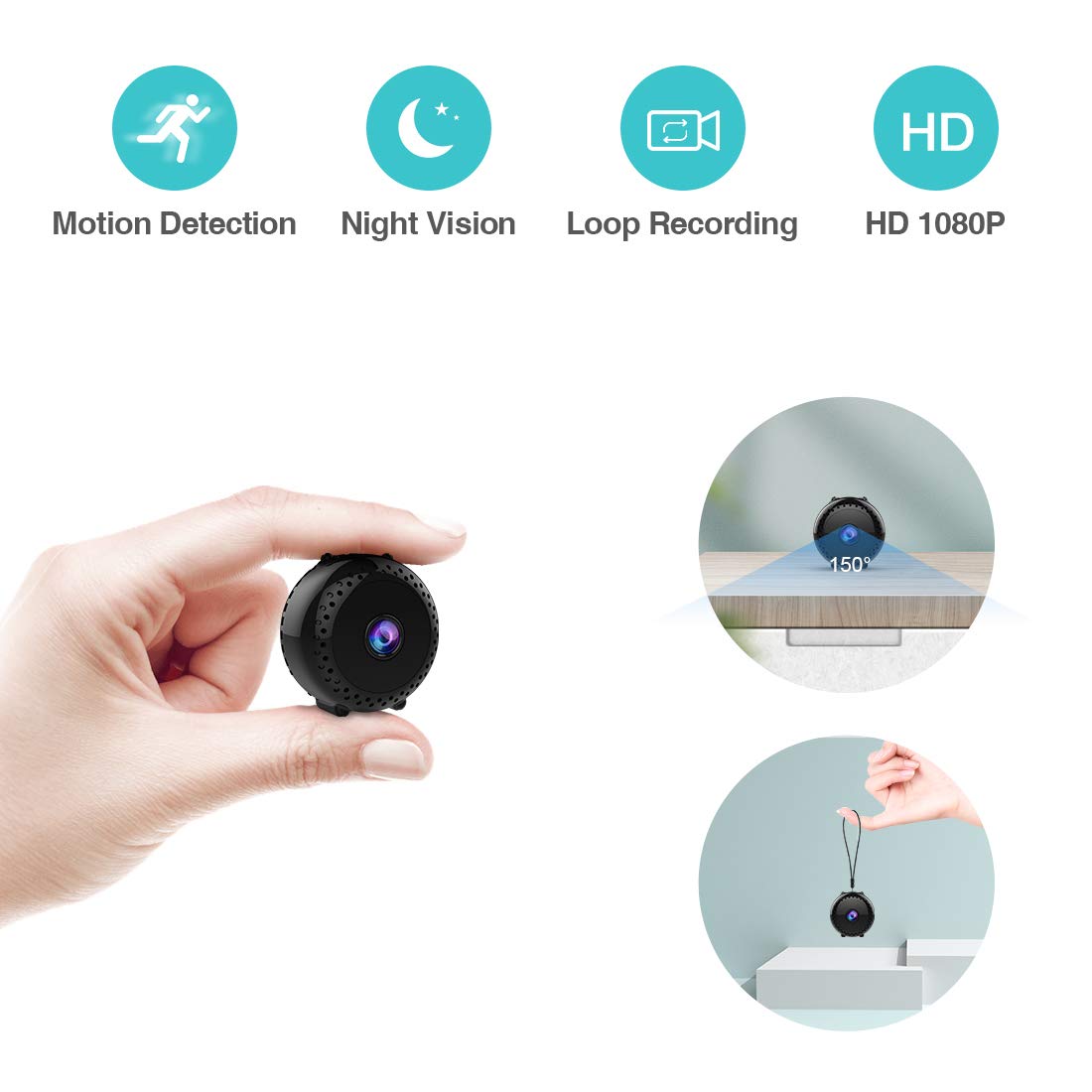
When it comes to standalone hidden cameras, the Puoneto is one of the best products on the market. It gives you high-quality recordings, motion detection activation, and smartphone integration all in one tiny device. Its size also lets you put this spy camera anywhere in your house, without drawing too much attention to it.
This spy camera is best used with its smartphone app, as it lets users view the footage on the camera wherever you are in the world as long as you have access to WiFi. One downside would be its 6-hour battery life, but this can be counterbalanced, as this hidden camera is motion activated and has a rechargeable battery.
That’s basically all you need to know about spy cams and hidden cameras. If you have any more questions about spy cameras, don’t hesitate to reach out and comment below!
The world of hidden security cameras or spy cameras are still quite a mystery for some people. This is understandable as home cameras have yet to gain the mileage to become mainstays in American homes. However, there’s no doubt that the industry is bursting with potential. In fact, a study published at Statista highlights how the market for video surveillance is expected to be valued at $74.6 billion by the year 2025.
With that being said, the time for hidden cameras may come sooner rather than later. Given this, learning about this important piece of technology is crucial, so that you can be prepared if or when you ever choose to install hidden security cameras in your home.
To help you out with this, we’ve prepared a quick guide on everything you need to know about security cameras. This guide will include the uses of spy cams, the different types, and our recommendations for hidden security cameras that you can use for your home.
Why Invest In Hidden Security Cameras?
Before anything else, it’s important to understand why anyone would install hidden security cameras in their homes in the first place. And while there are countless reasons for doing so, we’ve boiled them down to three main reasons to simplify things.
1. Security
According to a study conducted by the Pew Research Center, a majority of property crimes that occur in the United States go unsolved. It goes without saying that a hidden camera will help improve these statistics. This is especially true if the potential criminals are unaware of the presence of a camera in your home.
Having spy cameras with night vision can help identify the criminals in case of the unfortunate circumstance that your home gets broken into. A hidden camera, where it’s out of one’s field of view, could also lead to them being careless. This increases the chances of them revealing themselves when you review your video footage.
2. Safety
Sometimes, you have to put other people in charge of your home. Whether it be a house sitter or a babysitter, it’s not easy for homeowners to trust strangers. This is where in-home surveillance can be quite useful. Nanny cams and other types of cameras in the living room or other areas can help you observe your space when you entrust it to others.
With that being said, you may want to consider letting people know that you have a camera system in the house. The one thing you have to remember is that safety is the main priority when it comes to making use of in-home surveillance. It’s not about catching someone in the act, but creating an overall safer space.
3. Surveillance
The most important aspect of home security is being able to monitor your space. Given the technological advances, a spy camera can let homeowners keep an eye on their space wherever they are in the world. This level of access goes a long way when it comes to putting the minds of homeowners at ease.
This introduces a whole new degree of access, as homeowners can view their hidden camera recording through camera records from a memory card, or through Wi-Fi, via cloud storage technology. In fact, most camera features even allow the owners to view the feed via their mobile device.
Hidden Security Camera Types
Now, there are several types of hidden cameras you can use for home security. These cameras vary greatly when it comes to how they blend in with the environment and stay hidden from sight. So much so that some of them seem like they’re better suited to be used by super sleuths than humble homeowners.
Nanny Camera
Image from Google: Nanny Cam
Nanny cameras are hidden cameras mostly used by homeowners who have children. This is often used to monitor the safety of the child when they’re with their babysitter or nanny while the parents aren’t around. Considering the nature of these cameras, they tend to blend in with the environment of the child’s room.
This is why some nanny cameras tend to look like toys or items that can be commonly found in a child’s room, such as a wall clock. In fact, the most popular nanny cameras come in the form of stuffed toys. This may seem a little unprofessional, but these hidden cameras come with high video quality to give parents the peace of mind that they deserve.
Smoke Detector Camera
Image from Google: Smoke Detector Camera
The smoke detector camera is a popular choice, as they tend to blend in rather easily no matter where you put them. As the name implies, this type of hidden camera is built into a smoke detector, and can fit in either a home or office setting.
This dual-purpose device is a great tool for home security. Considering they’ll be placed on the ceiling, these hidden spy cameras come with wireless functionality, which allows you to access the footage through its microSD card or the WiFi.
Standalone Hidden Camera
Image from Google: Stand Alone Hidden Camera
The standalone hidden camera is perfect if you want a no-frills hidden camera that can fit in any and all settings. Due to their flexibility, this can be used as a substitute or alternative to both of the previously mentioned camera types.
This type of camera is often small enough to be hidden in plain sight. Given its size, this type of spy camera is usually battery-powered or feature an inconspicuous power cord. While this may not be the most hidden of all the camera types, it will get the job done if placed in a strategic location.
Best Hidden Security Cameras
4K Xtreme Life Wireless Teddy Bear Hidden Camera
Image from Google: 4K Xtreme Life Wireless Teddy Bear Hidden Camera
If you’re looking for a nanny cam, you’ll want something that is the perfect combination of form and function. This is what makes this spy cam one of the best options when it comes to nanny cams. To the untrained eye, this camera is no different from any other toy that would be in a child’s room.
This camera has a multitude of features including motion detection recording, HD video resolution, and an impressive 16-hours of battery life. All footage from the camera will be recorded on an SD card, which you may then review on your computer.
The Evertech Color Smoke Spy Detector
Image fron Google: The Evertech Color Smoke Spy Detector
Given Evertech’s reputation as one of the best and reliable brands when it comes to domestic security products, it’s not really surprising that the Evertech Color Smoke Spy Detector has made it onto this list. When it comes to installation, this camera puts accessibility and ease of use first.
Just install it as you would any normal smoke detector and you should be good to go. What’s great about this is that it’s able to record video and detect smoke at the same time. This efficient device also lets you connect the video feed to a television or computer, and its features include high-quality video recording and audio recording.
However, it also lacks night vision — a crucial component of any security camera. But so long as it gives you the results and information you need, we’re sure this is a good option for you.
Puoneto
Image from Google: Puoneto
When it comes to standalone hidden cameras, the Puoneto is one of the best products on the market. It gives you high-quality recordings, motion detection activation, and smartphone integration all in one tiny device. Its size also lets you put this spy camera anywhere in your house, without drawing too much attention to it.
This spy camera is best used with its smartphone app, as it lets users view the footage on the camera wherever you are in the world as long as you have access to WiFi. One downside would be its 6-hour battery life, but this can be counterbalanced, as this hidden camera is motion activated and has a rechargeable battery.
That’s basically all you need to know about spy cams and hidden cameras. If you have any more questions about spy cameras, don’t hesitate to reach out and comment below!
According to recent FBI statistics, the numbers of home break ins have declined over the last few years. Brandon Wachs of Shark Eyes, Inc. claims that despite the decrease in numbers, it’s still important to be prepared and minimize the risk of you or your family coming to serious harm.
It’s one thing to fully recognize and comprehend this undesirable possibility, it’s another to do something about it. For this article, we’ve talked to some of our peers about the exact things to do if someone breaks into your house. Here are their thoughts:
1. Assess the Situation
The first and foremost thing to do is to lock the widest area of the house where they’ve not reached yet, and with a medium of communication. For example, if you’re in a room with a window or anything to escape, lock the room, and think if you have a phone. Next, call for help. The first call should be to police officials and next to someone from your family who could help in this matter. If you have time, broadcast a message to some family/workgroup too.
Now, from the locked place, you should check if it’s just one person or many, do they have arms or not, and so on. If it is a group and is armed, there’s no need to think of fighting. You should find an escape from home. Also, check if they have their people outside the home.
If there are more people (and armed), just calm down and wait for authorities to arrive. However, in the case of one or two unarmed people, you should call the police, lock yourself up, and shout for help so that they get frightened. If you have some sort of training in martial arts or fighting, you should combat, but if and only if you’re sure they are unarmed, or if they have caught any of your family members.
2. Call the Police Discreetly or Have Someone Ring Them for You
The first thing to do if you think someone is breaking into your house—and you are home—is to call the police, or if you think they’ll discover you before you get through, text someone you know will respond to call the police on your behalf and send them to the house.
I think it’s best not to engage with robbers and remain where you are in the hope that they will take what they want to and leave. You can always replace your TV or jewelry and you want to minimize the risk of getting hurt as they may be carrying a knife or gun.
There are a few things you can do if someone breaks into your house. The first thing is if you’re a practitioner of firearms and train regularly so that when you need to use it isn’t a mystery.
Understand the layout of your home so that in a low-light situation you know how to maneuver and get any form of a protection device to defend yourself that may have been placed while hiding in plain sight (i.e. Baseball Bat, Fireplace Poker, etc). Last advice for your loved ones in the house is to have a meeting point when a codeword is used and from that point attempt to exit the premises and seek out assistance from a neighbor.
The idea of someone breaking into my house made me think seriously about what I would do now, as a father of two young kids, compared to a few years ago before I had them.
First and foremost, you have to consider the safety of your family. Lock them and yourself into a room. Barricade it if necessary, before calling the police or raising the alarm. Make a noise and loudly inform the intruders that you have done so, and help is imminent.
However, the most important thing is what you don’t do. If you have children in the home, you shouldn’t challenge the intruder. No place for heroics when your kids are at potential risk.
Our friend Brandon Wachs perfectly summarizes everything. Staying calm is easier said than done, but it’s important not to panic. Call 911 for immediate assistance Try to ascertain if you can escape through an exit. If this isn’t an option, find a place to hide.
Don’t try to confront the intruder. They usually just want to steal your stuff and have no intention of hurting you but may do so if the situation escalates. Don’t use weapons unless trained. They could be used against you and producing a weapon may spook them and make them more likely to use theirs.
Again, try to remain calm and just let them take what they came for and leave. Your insurance will cover any losses and no material possession is worth risking your life for or the lives of your family.
Staying Safe On Vacation is more comfortable when you ask the locals for help. If you are traveling off the beaten path, they can point you in the right direction and where you shouldn’t go. And there is a good chance that you will be safe while enjoying the sights and sounds of the area, as long as you stay alert to the people around you.
It is also a good idea to bring at least one form of identification with you. This may seem small, but if something were to happen to your luggage, you wouldn’t want to find out it is nothing more than a plastic ball without a head or feet! And don’t forget the wallet. It should be easy to carry along because it is the one thing every traveler carries on vacation.
Safety is a big concern, especially on vacation. People have been killed in cars in high-speed chases, in roller coasters, and even in some of Europe’s more remote parts. If you have a family who travels, this can be doubly true. Just make sure your family knows where to reach you in case of emergency, and be prepared to help yourself.
Image by rawpixel.com
Keep your items locked up. No matter how safe you think you are, the chances of someone breaking in while you are gone are probably pretty high. Even if it is not as important to you that your stuff stays safe, it’s still a good idea to be prepared for the worst.
It is imperative to review your security measures once you get home. Make sure that the doors are locked, and the windows are adequately covered. And that includes the garage. Don’t leave your motorcycle outside overnight.
Vacation is always exciting, and you shouldn’t have to worry about what to do or where to go. Stay alert, and you’ll be just fine. Don’t mind the weather. It’s always good to know that you can always have some shelter from the sun on those days when the weather is terrible. You can go outside and enjoy the day or stay inside and curl up with a book. When it is hot and muggy outside, stay inside and enjoy the cool shade.
Pack your food. If you aren’t going out to eat, it doesn’t make much sense to pack the whole meal to have something to take home if you are stuck in a restaurant.
Make sure you keep your car clean. Before you leave, be sure to get all your luggage and personal belongings cleaned up.
A new casino online is one that offers a wide variety of games and is fully optimized for desktops and mobile devices. These sites utilize HTML5 technology and provide a seamless experience regardless of your device. Many of these sites also have downloadable gambling apps. These are ideal for players who want to experience gambling on the go. They are also an excellent choice for those who want to gamble for real money. However, before you choose a new casino online, you should know what to look for.
No deposit bonuses
No deposit bonuses are a great way to try a new online casino. Usually, these are free spins that you can use on selected slot machines. You don’t have to make a deposit to take advantage of these offers, and they never expire. There are many benefits to taking advantage of a no deposit bonus at a new casino.
You can withdraw your winnings from the online casino in a number of different ways. More details about the methods of withdrawing winnings – https://casinotop.pl/nowe-kasyna/. Some of these methods are instant, while others require a few days. Some no deposit online casinos have customer support that is available around the clock. There should also be a FAQ section where you can find answers to your questions.
Mobile-first design
As more people use mobile devices to access online casinos, a new approach is taking place to maximize the gaming experience. The new approach, known as mobile-first design, focuses on improving the gaming experience on mobile devices, without sacrificing the desktop version. Casinos that incorporate a mobile-first design make their games and websites more accessible and load faster.
While an app can save costs and help validate a new product, a casino must still offer a superior user experience. This means a casino should hire a responsive support team and be available around the clock. These support staff members should be friendly and helpful to players and should be encouraged to go the extra mile. Providing a superior user experience will pay off sooner than you think.
High-quality games
New online casinos offer a wide variety of high-quality games. Many of these casinos are powered by renowned software providers such as NetEnt, Evolution Gaming, and Pragmatic Play. These companies provide games that are fair and RNG-assured. Their games are available in more than twenty jurisdictions and are optimized for mobile play.
Besides offering great bonuses and promotions, new casinos also have better-looking websites and fully functional software. However, players should be aware of potential scams. Using a casino blacklist can protect them.
Customer service
Customer support is one of the most important aspects of an online casino. It should be a high priority in any business, but it becomes even more critical in an online casino where real money is at stake. Many online casinos offer numerous support channels, so it is essential to find a casino with good customer support.
Customer support representatives should have a thorough understanding of different customer concerns and questions. They should also be able to address them effectively and promptly. In addition, good customer support staff should be available round-the-clock through email, chat, and telephone numbers. This will help the company build a good relationship with its customers and encourage repeat visits.
Smart Home Technology, which can also be called Home automation, uses electronic devices in the home, which connect through a network, usually a local area network (LAN) or a wireless network, to enable certain features. One example would be the automatic door lock installed in your home, which uses infrared light to make it hard for the burglars to open the door without a passcode.
Image by Gerd Altmann from Pixabay
There are many different kinds of Smart Home Technology available these days, and there is a variety of options and features you can choose from. For instance, you can choose between remote access or “web-enabled” technology; there is also an option to install a wireless security camera system to provide live coverage. Different types of lighting can be controlled with remote control. Some technology types also include temperature and humidity sensors, which can protect your home from the damage done by high humidity, moisture, and high temperature.
If you are thinking of installing a security system in your home, one of the best choices would be the alarm system, which can be controlled remotely. The system can also be set to send a text message alert if someone attempts to enter your home uninvited. If you decide to install a security system, it should have basic features like video surveillance and audio recording.
A wireless home security system can also be used to monitor your home remotely, without having to go out and check on your home every time you go out. The advantage of using a wireless security camera system is that it can be monitored either from your laptop or home PC and not from your house. With this kind of home surveillance system, you can monitor your home from a distance, even when you are in a meeting, driving somewhere, or simply sitting at home.
Home security systems also come with advanced features such as burglar alarms triggered by intruders and smoke detectors that can warn you of fire hazards. Suppose you are having a problem with your furnace or air conditioner. In that case, you can get an alarm system that will automatically call emergency services so that you can get help immediately.
Home technology is all around us, and it’s good to understand how it works. So next time you are considering buying or installing new gadgets for your home, think about the technology you want to add to your home.




 Regardless of whether you have a toddler who is simply beginning to utilize your telephone or a teenager with her own gadget, monitoring all the child and youngster well-disposed applications and sites out there can be overpowering.
 This tip holds especially true during this time. Mom Informed founder Lorie Anderson suggests cleaning your phone with antibacterial wipes several times a day. She shares how her toddler loves to grab her phone off the table and put it in her mouth, but phones are so dirty. Anderson suggests trying to keep the phone in the pocket so a kid cannot get access to it, but try to make sure it is clean in case he or she does happen to get a hold of it.