Home Blog Page 16

How To Safeguard Your Home From Unexpected Disasters?

Unexpected disasters such as those caused by nature are unavoidable, and we are no strangers to them either. However, the damage they can cause is something to be concerned about. Living in certain states of the U.S, you could face wildfires, hurricanes, and the accompanying floods. So, you need to know the basics of how to protect yourself and safeguard your home. 

We talked to the experts, and here are some tips we gathered from them.

Safeguard Against Climate Disasters

The first thing homeowners should have before all else to mitigate disaster costs is homeowners insurance. Get insurance that is relative to your property’s location and probable disasters. You can also take precautions to make your home safe against climate disasters. 

For example, if your property is susceptible to earthquakes, a sufficient safeguard would be to bold your home to the foundation. If your home’s property is susceptible to flooding, I recommend installing black flow valves into your plumbing system to prevent sewage from flowing reversely into your home. 

Leonard Ang, CEO of iPropertyManagement

Get Insured

To safeguard a home from unexpected disasters, I highly recommend obtaining the right insurance. This may include flood insurance for homes in flood plains and extensive fire insurance for areas where wildfires are likely to occur, including California or Texas. However, another way to safeguard homes is to have adequate protections. 

There are protective windows and protective sidings that can preserve the home from inclement weather. There are many other ways for homeowners to protect their residences from disaster, including leaf clearing gutters to protect the roof from extensive weather damage. 

Omer Reiner, a licensed Realtor & President of FL Cash Home Buyers, LLC. 

Invest In Smart Gadgets

To safeguard your home from unexpected disasters all comes down to being prepared. A common disaster(and an important one) that every homeowner should prepare for is fire prevention. 

Home fires are very costly if they happen, so I always suggest investing in smart gadgets that will help prevent such disasters like smoke alarms, sprinklers, and fire extinguishers, to name a few. But that shouldn’t be it; knowledge on different fire safety/prevention is much more important. 

Make a plan, do some fire safety drills, ensure that your family knows how to leave the house immediately and they know where to go in case of fire. Doing this will make sure your family is ready and prepared when unexpected situations arise. 

EW Bratcher, Owner B&W Fire Security Systems

Pack An Emergency Kit

Figure out the number of important items you would need if you had to evacuate your residence. Store these in an emergency kit, and know where they are in case of emergency. Know the emergency routes, don’t forget smoke alarms/carbon monoxide detectors, learn how to turn off your soon-to-be flooded or exploded natural gas lines (check on that with the gas company).

Develop a family communication plan ahead of time, so everyone knows what to do when disaster strikes—plan for pets too. Reconfigure your home, so all bathrooms are on one side, bedrooms on another – this allows for easy access during evacuation scenarios while not having inhabited spaces right next to each other. Store water supplies at various locations close by.

Ryan Fyfe, COO Workpuls Inc

Non-Combustible Boundary Around Your Home

When it comes to unexpected disasters like wildfire, there is no complete safety. But creating a boundary around your home with non-combustible materials that has a height of around 5-10 feet at least would increase the safeguard proximity of your home by any means. 

More importantly, remove any sort of materials like wooden patio, mulch, outdoor furniture, and others that are combustible. These are termed fire-hazards materials. In 2017 alone, there were over 10,289 wildfires in the US, burning 2.1 million acres. The number of structured damage was above 4,636. So better for you to prepare your home for the wildfire. 

Also, check your fire detectors more than often to ensure they function well. And keep gloves, thick-soled shoes around your household. 

Seth Williams, Co-founder and Real Estate Broker Ledge & Young Real Estate

Stay Safe from Fire

Fire can cause a lot of damage to you and your house, but it does not take a lot of effort to safeguard your house against fire. To start with, keep multiple fire distinguishers in your house and keep them in places that are easily visible. 

Also, consider installing smoke detectors on each of the floors. Consider the option of purchasing a fire escape ladder in case you have a two-story home. Lastly, come up with a fire escape plan and make your family members understand it properly. 

Fortify Entrances To Protect Against Hurricanes and Tornadoes. To protect your home against the danger of hurricanes and tornadoes, you need some strong doors and windows. When buying windows, consider having a glass that contains an inner layer of polyvinyl butyral or PVB.

This kind of material keeps the window safe from breaking even if it shutters on the inside. When it is about the door, consider products that are manufactured with steel plates inside. These types of doors are highly resistant to hurricanes.

Ron Wysocarski, an FL Broker/CEO Wyse Home Team Realty

Take Inventory and Plan

Certain natural disasters, such as a hurricane, generally come with a notice. However, most are entirely unexpected, such as a fire, flood, tornado, or earthquake. Taking some precautions now can help homeowners and renters keep their properties and personal belongings safe. 

Start by having insurance and creating a home inventory, emergency kit, and emergency plan. Also, understand what your home or renters insurance does and doesn’t cover. For instance, a typical policy doesn’t cover flood damage due to groundwater. Flooding is the nation’s most common and expensive disaster. Plus, they can happen anywhere and don’t need to be catastrophic to cause costly damage. 

Flood insurance is a separate policy that homeowners, renters, and business owners can purchase. They typically have a 30-day waiting period, so you can’t wait until a storm approaches your property because it will be too late. In addition to having home insurance, owning a generator can be a lifesaver during a disaster that leaves you without power for an extended period. It can make sure your food is refrigerated, your cell phone is powered, and that you have access to disaster news updates.

Laura Adams, a home insurance expert with Clearsurance.com

How To Turn Off Home Security System?

We know how frustrating it can be when your alarm goes off and you have no idea what to do. That’s why we created this easy-to-follow guide on how to turn off your home security system.

If you have a home alarm console, it’s important to know how to disable the AC power. This will allow you to reset or troubleshoot any problems with your system without having an active connection between the panel and the backup battery. 

Turning off the home security system is also a good idea if you’re going on vacation for more than a day or two because it can prevent false alarms from being triggered by an accident while you’re away.

You can turn off or power down your home alarm system by disconnecting its backup battery and then unplugging the transformer from the wall outlet for the device. You can confirm that the panel has been powered down by checking its touchscreen or keypad and making sure it is blank.

If the power goes out or you just unplug the system, your alarm system will continue to function because it has its backup battery. However, if the power outage lasts longer than 48 hours, the battery may die and turn off the alarm system. 

To prevent this from happening, disconnecting the backup battery is necessary before turning off or unplugging any other components of your security system. This ensures that all systems are powered down properly so no one can access them while they are not in use.

The next step is to unplug both ends of the transformer for your device from their respective outlets (the wall outlet and another electrical socket). Once these two steps have been completed successfully, you can confirm that everything has been turned off by checking its touchscreen or keypad and making sure that it is blank. 

To learn more about various features of home security systems, visit our blog section.

How To Ensure Your Family’s Health And Safety During A Hurricane?

Getting through a hurricane is never simple or easy. You will face panic, anxieties, dilemmas, property damage, loss of possessions, hard times, and in some unfortunate cases, it could even result in loss of lives. However, unpredictable as they are, there is plenty we can do to plan and prepare for a hurricane to keep the damages at a minimum. 

To help you ensure your family’s health and safety during a hurricane, we brought together a panel of experts on disaster preparedness. The experts have offered their vital pieces of advice on how you can plan and prepare for a hurricane.

Janet Coleman is an Environmentalist; TheConsumerMag.com. Janet advises…

You should prepare your family for any eventuality, but especially hurricanes. Hurricanes are unpredictable, so it is important to have a plan in place. It is not just about having the right supplies on hand but also being aware that you are putting your family’s safety first by taking the necessary precautions. 

Do not live near high-risk areas, if possible. If you do live in an area at risk of flooding or storm surge, make sure you have signed up with the National Flood Insurance Program so that if there is flooding or damage to your home or business, you will be eligible for some form of reimbursement. Prepare an emergency kit with food and water in case of evacuation.

When the aftermath of a hurricane has left your family’s health and safety at risk, it is important to take care of yourself and your loved ones in the best way possible. One of the most important things that you can do is to make sure you have enough food and water to last for at least seventy-two hours. By doing this, you will be helping to ensure your survival in the event of an emergency or natural disaster.

Mo Mulla is the Founder of Parental Questions. Mo advises…

If you live in an area that has a high risk for hurricanes, it is good to have shelters installed in your home. It’s recommended to take precautions for the following things: food, water, first aid kit with necessities like needle and thread (useful should prolonged power outage affect prevent you from pursuing treatment), flashlights with extra batteries, essential medications (especially those for common medical conditions such as asthma); dust masks; steel garbage cans or earth quails at least 10-gallon size or larger; plastic storage containers w/lids – 2 Gallon capacity minimum; sturdy shoes and cooking utensils.

Axel Hernborg is the CEO of Tripplo. Axel advises…

Sitting in a room with a light source is far better than sitting in the dark and thinking when all this will be over. Storms and hurricanes result in no electricity, and that’s when batteries come in handy.

Make sure you have plenty of batteries stored and if not, go and buy a few before the hurricane hits. This will help you with your flashlights, battery-operated home devices, radios, lamps, etc. Also, ensure to charge your power banks way prior so that you don’t run out of phone battery. 

Jordan W. Peagler, Esq. is a Personal Injury Lawyer at MKP Law Group, LLP in Los Angeles, CA, where he is both Owner and Partner. Jordan advises…

Unlike many other natural disasters, people generally have advance notice for hurricanes. It’s smart to put that time to good use. Here are some tips for staying safe:

  • Listen to the experts: If experts are telling you to evacuate, your best bet is to listen to them. It’s not smart or safe to stay in your home if they are telling you your best option is to temporarily leave the area. 
  • Install hurricane glass: If you live in an area that is frequently threatened by hurricanes, investing in hurricane glass for your windows will greatly improve your safety. If a hurricane hits, you won’t be injured if your window breaks and sends glass fragments flying through your house.
  • Put your outside belongings inside: Deck chairs, bicycles, and anything else outside in your yard could be turned into a flying projectile that can shatter your windows during a hurricane. Store them inside until the threat has passed.
  • Keep your car’s fuel tank on full: You need to have an exit strategy in place if you decide to wait out the storm and then realize you need to flee. That includes having a full tank of gas.
  • Make sure you have the essentials: Store up a lot of bottled water and food you can prepare and eat without power. 

Graham Spence is a resident survivalist and expert prepper at Mantelligence. Graham advises…

Nobody wants to think that something bad will happen to their family. But, whether it’s hurricanes, tornadoes, or wildfires, we need to be prepared just in case.

Here is how to protect yourself and your family during a hurricane: 

  • Plan Ahead: Preparation and having an action plan in place is everything, and it may save lives. Include your children in the planning, so they understand the basics and go over your emergency plan with your family to ensure everyone knows what to do. An emergency plan should include instructions and precautions on staying healthy and safe, calm, informed, and connected in an emergency.
  • Be Ready: Prepare now rather than waiting for an emergency to occur. Use the time between events to gather necessary supplies, develop self-help skills, and gain the confidence you’ll need to respond quickly and effectively in a crisis. It’s critical to be as self-sufficient as possible when services and supplies are limited. 
  • Take Action: Clear your yard to make sure nothing will blow around and cause damage to your home during the storm. Anything from bikes, yard furniture, and construction or garden materials should all be inside or undercover. Your home’s windows and doors should be covered. 

Use storm shutters or nail plywood pieces to the exterior window frames to protect you from shards of shattering glass. If you notice water or downed power lines, or if you need to leave your home, turn off the electricity. 

Consider your water source and fill clean water containers for drinking water. You should do this in case your water supply goes down during the storm. You can even use your sinks and bathtubs and fill them with water for washing. 

  • Stay Or Evacuate: Always follow the advice of authorities regarding whether to evacuate or stay at home. If a hurricane is approaching, authorities may issue an evacuation order.

Never disobey. It is not worth risking health and safety to remain at home to defend your possessions. Before leaving, however, take into account driving conditions. If it’s unsafe, staying at home may be a better option than going but contact your local emergency management office for further advice. Other things to consider:

  • Prepare a disaster and go-kit. At a minimum, it should include food, water, first aid, clothes, medication, flashlights,  and extra batteries.
  • Put important documents, including passports, medical and legal documents together, so it’s easy to take in the event of an evacuation. 
  • Know where to get credible information. Know where your evacuation zones are and how to get there. If available, sign up to get local emergency alerts and updates.
  • Don’t leave your pets out of your emergency or evacuation plans if you are a pet owner. Prepare a disaster kit for your pet as well. 

What Is The Average Cost Of A Home Security System?

Home security is a growing concern for many people. The average cost of a home security system can vary depending on the type of equipment, monitoring service, and installation costs. Some options don’t require any installation or monthly fees, but they may not be as effective at protecting your home.

You don’t have to be rich or famous to afford one, either. The average cost is around $1,500 for installation and equipment costs alone. That doesn’t include monthly monitoring fees which range from $5-$65 per month on average depending on what type of plan you choose. We recommend choosing a plan with no contract because it gives you more flexibility if you ever need to cancel service for any reason down the road.

A security system is the best way to protect yourself and your family. Installing a monitored alarm system can help keep intruders out of your house, but it’s also an effective deterrent against burglars. If they know that you have a monitored alarm system, they are less likely to break into your home. 

And if someone does try to get in, the monitoring center will call the police immediately, so you don’t have to worry about anything else. You can rest easy knowing that we are taking care of everything for you. A home security system can protect your family and property. It’s an investment that will pay off in the long run. 

If someone breaks into your house while you’re away, they could take anything they want, including all of your valuables like jewelry, cash, electronics, and even prescription medication that they can misuse in your name.

To learn more about different types of home security systems, visit our blog section.

What Are The Basic Firearm Safety Rules To Practice For Non-Law Enforcers

Keeping your firearms secure is critical if you have kids in the home. If you don’t, it is still essential you know basic firearm safety rules to ensure your safety and that of everyone around you.

We consulted a panel of experts on firearm safety to advise us on the basic firearm safety rules civilians need to practice. Our panel includes;

  • Chief Deputy (Ret) Jay Six, executive-in-residence at The Institute for Law Enforcement Administration at The Center for American and International Law,
  • Gene Petrino, the Co-Owner of Survival Response LLC.,
  • Ares Borg, a long-time counterintelligence officer and police associate.

Gene Petrino is the Co-Owner of Survival Response LLC. One of their services is firearms instruction from beginner to advanced. Gene has been featured in Forbes regarding mass shootings and would love to talk about gun safety;

While there are many safety rules for handling firearms, the most critical one is ‘Always assume a gun is loaded.’ All other rules merely build on this one.

Firearm safety rules are, in fact, designed to build upon each other. This redundancy helps prevent needless accidents and deaths. Take the second rule, ‘never point a gun at anything you do not intend to destroy.’ If you disregard the first rule, the second will ensure you do not point a loaded firearm at anyone.

Ares Borg is a long-time counterintelligence officer and police associate combating drug trafficking who also has war experiences. After retirement, Ares released five crime stories on Amazon. According to Ares…

The primary safety rules of firearms for non-law enforcement officers are; Procurement of weapons is essential. The short weapons, drum revolvers, are best, as they are less likely to self-injury than automatic and semi-automatic pistols. Pistols are thinner and easier to conceal in a suit, but they are more dangerous because it is easier to forget to insure the gun. There is no problem with a revolver. It is crucial to lock the weapon well and thus prevent access to the family, especially children. 

Children should never play with firearms. The owner must not lend his gun to anyone for any reason. Shooting and training should be strictly limited to secured shooting ranges. The pipe must not be turned towards another person, except in particular danger to life. But these are extraordinary cases. 

Weapons cleaning and maintenance are critical. If the firearm is aimed at you, particular caution is required, without any movement. The defense is an excellent danger; defense can only be attempted by specially trained specific experts in the military and police. The probability of success is minimal because the trigger time is short.

For self-defense, I recommend a small derringer with two barrels that carry only two caliber .38 SP bullets. It is a small but powerful weapon.  

Chief Deputy (Ret) Jay Six, executive-in-residence at The Institute for Law Enforcement Administration at The Center for American and International Law. Jay served 40 years as a Texas peace officer and recognizes as both a law enforcement official and father/grandfather full well the importance of ensuring firearms don’t fall into the wrong hands. According to Jay…

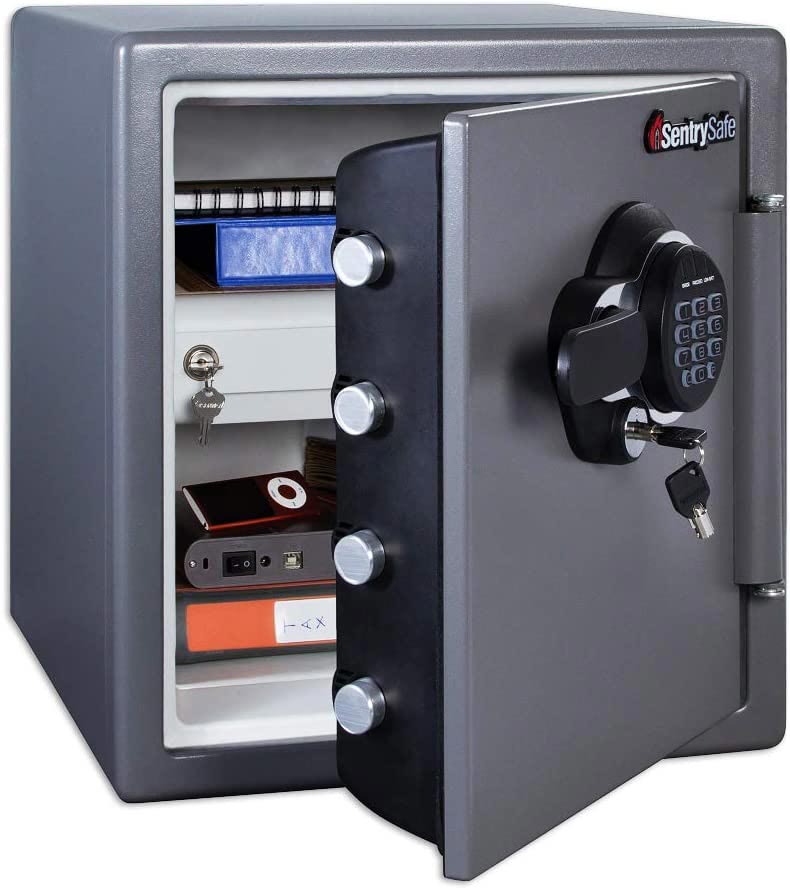
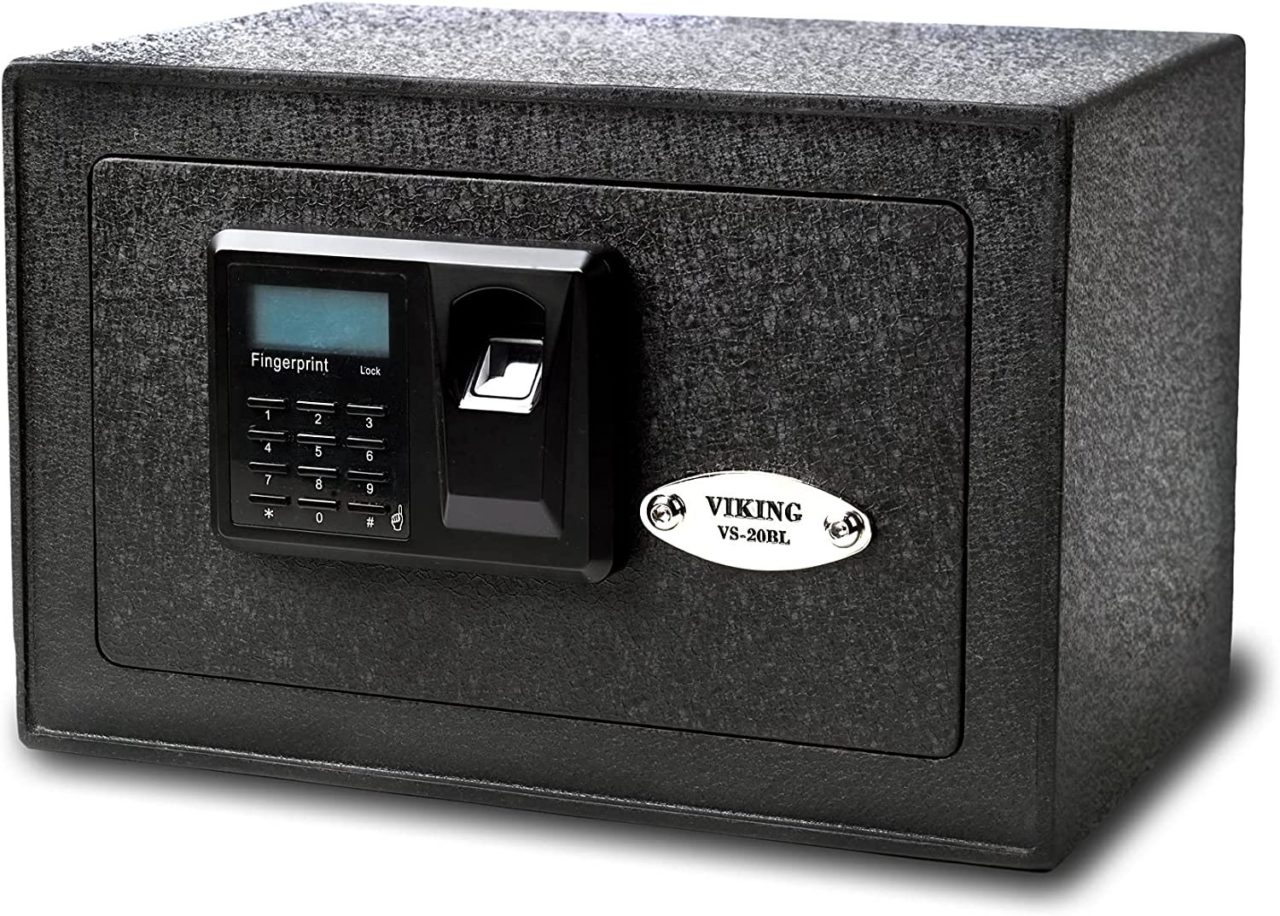
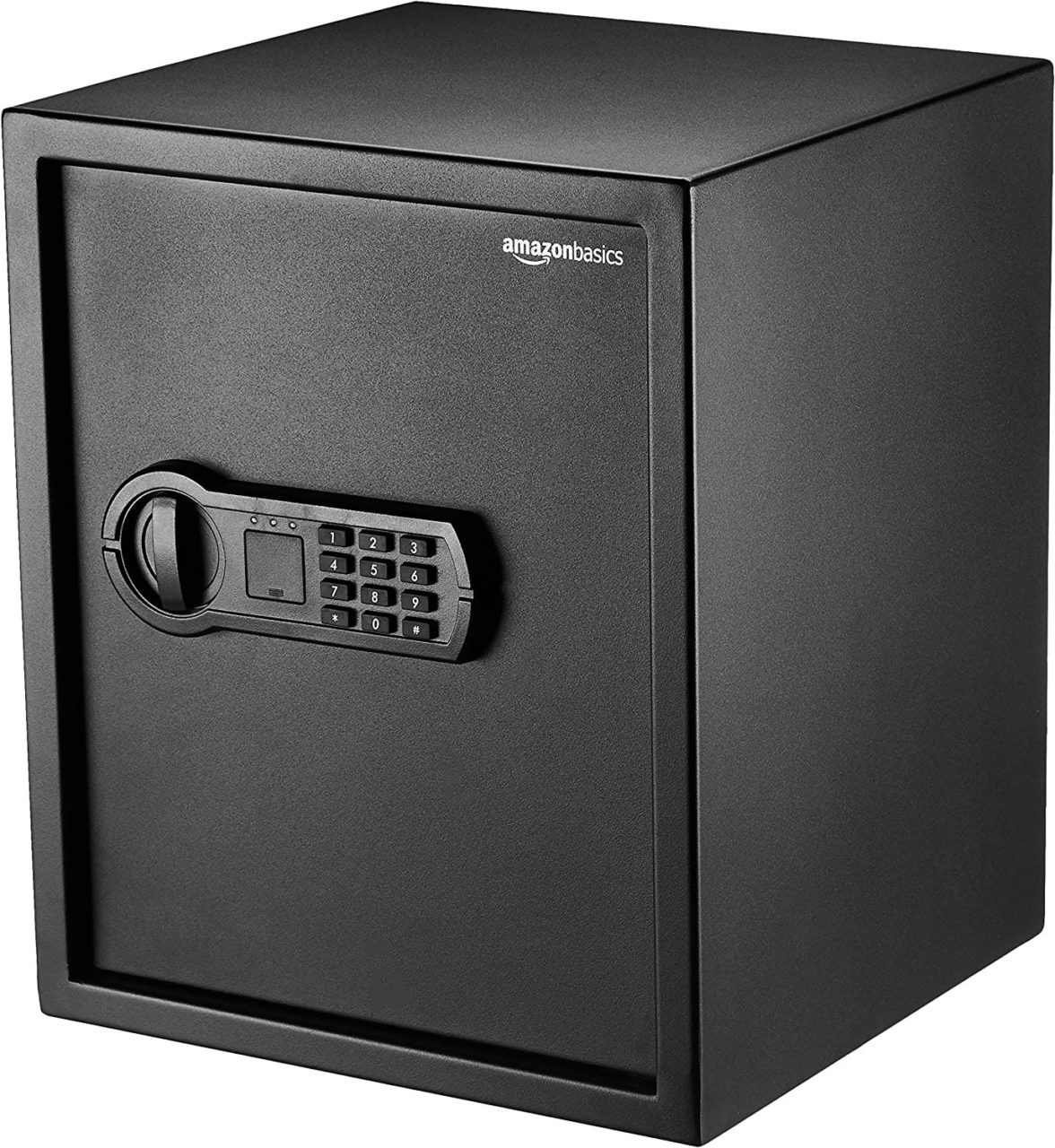
The first and primary rule is to store the weapon safely, unloaded, and fitted with a gun lock at home. At best, that means in a gun safe or locking gun cabinet. Ammunition should be stored away from where the weapon is kept and secured under lock and key. An ammo storage box with a padlock is effective. Several states have statutes that require firearms and ammunition to be securely stored to prevent access by children.

But what about keeping a gun ready for self-defense? Suppose a person wants to keep a loaded weapon available but not accessible to children or others. In that case, there are a wide variety of small gun safes that will accommodate a single handgun. Many of those safes use a punch code or biometric lock system. A few even have furniture or decorative look, so they provide a less industrial appearance.

Long guns, like shotguns and rifles, are harder to store, conceal, and keep secure. Here again, a gun safe or cabinet can lock away rifles and shotguns. The same rules apply to shotgun or rifle ammunition. Some companies make under-bed locking cases that provide reasonable access with enough security to prevent unauthorized opening.

If you carry a handgun, use a sturdy and secure holster to maintain control of your gun. You should be able to draw and re-holster without looking. It is imperative to develop the habit of locking your gun away after every carry. Never leave a gun unsecured, laying out in the open, or merely in a nightstand drawer. Responsible gun owners are serious about gun safety. 

Where To Buy A Home Security System?

Many alarm companies out there claim they can provide you with the best service for your needs. But how do you know which one is right for you? Alarm companies providing home security systems must be licensed by the Bureau of Security and Investigative Services to sell home security systems.

Mentioned below is a list of licensed sellers from where you can get your home security systems.

Bay Alarm Company

Bay Alarm Company can be a choice. They are an award-winning company with over 100 years of experience in the industry. The company has been recognized by Forbes, Inc., and Entrepreneur Magazine as one of America’s top companies to work for. You can trust them to protect your family and property when you need it most.

AT&T Home Security 

You can get your security system from AT&T. AT&T Digital Life Home Security is a new way to secure your home. It’s the first security system that works with all of your devices, so you can check in on what matters most from anywhere. You can even arm and disarm it using voice commands or by sending a text message. And if something does happen at home, our 24/7 monitoring center will call 911 for you.

Alert 360 Home Security

You can rest easy knowing that the Alert 360 state-of-the-art technology will protect your home from intruders while also keeping track of who comes in and out of it at all times. With motion sensors, glass break detectors, smoke alarms, and more, no one will get past them without getting noticed.

ADT Security Services

ADT Security Services is said to be the number one provider of home security systems in North America. They have been protecting homes and families since 1874 and are dedicated to providing their customers with peace of mind. Their team of experts will work with you to create a custom solution that fits your needs.

To learn more about security systems, visit our blog sections today.

9 Low-Cost Ways to Increase Your Home Security

While modern smart home security technologies are great to have, they can be pricey. If you are looking for something more budget-friendly, you can benefit from these excellent tips, by the experts, for low-cost home security.

1. If You Go, Don’t Make It Obvious That You’re Going

When homeowners are gone for an extended amount of time, burglars can readily detect them. To prevent your home from being broken into while you are away, ask your neighbors to mow your grass, collect your mail, move your car around, or do other things that suggest there are people inside the house. A vacant house is a potential target and an invitation to robbery.

Jason Feldman, Founder at Immigrate Me

2. Paying Attention To The Details

I strongly believe that if a burglar doesn’t know what’s inside, they’re unlikely to break in. They won’t take a chance on something they can’t be sure about. Burglars will know there’s a lot to steal if you keep your valuable stuff out in the open. 

If a famous painting can be seen through your home’s windows, for example, you may wish to move it an inch or two away or close the windows to keep it out of sight. Move your automobile to your garage if you leave it parked outdoors. Do the same thing with any other valuable items you have in your yard.

Gerrid Smith, CMO Joy Organics

3. Don’t Make It Easy For Criminals To Conceal

Trim any trees or plants that could provide a hiding place or unnoticed access to your windows. Any plants that are tall enough to block a window should be pruned. You should also think about the lighting in your home. Look for dark spots surrounding your house that could allow a burglar to enter your home under the cover of darkness. 

Consider placing lights in strategic locations to illuminate entrances. Motion-activated spotlights are the ideal way to save electricity while also not bothering your neighbors or yourself with harsh lights.

Amber Morland, CEO & Founder of WinCope

4. Deceive The Burglars

When you leave the house, close the curtains and blinds and turn on lights and a radio to give the impression that someone is home. A dog or an electronic emulator that sounds like a dog barking when someone approaches is an excellent deterrent. I came across a gizmo today while shopping that duplicates the patterns of light produced by television when viewed through curtains.

FakeTV is a compact anti-burglary device that features many high-intensity output LEDs of various colors. These are turned on and off at random, giving the effect of television. This may be left on in your house when you are not there, and it costs a fraction of what it would to run a television. The item can be purchased on Amazon. 

Rameez Usmani, Tech and Security Expert at The Code Signing Store

5. Light Up Your Home Exterior

Burglaries can take place in broad daylight, but criminals prefer to operate beneath the cover of night. You can reduce many of the shadows and dark spots in your yard with carefully placed outside lights, which will eliminate most of the space where robbers may feel comfortable entering your property. 

When putting lights on the outside of your house, try to think like a burglar. Look for access points that would otherwise be hidden by darkness. Cover the front and back of the home, and if there are any windows or doors on the side, try to bring some light in. 

Consider whether you want lights that you turn on with a switch or lighting that are activated by motion. Motion-activated lights have the potential to be a more effective deterrent while also being more energy-efficient.

Tommy Gallagher, Founder at Top Mobile Banks

6. Get to Know Your Neighbors

One of the best free things people can do for their home security is to get to know their neighbors. Even better, get people’s phone numbers and (with their permission) start a group chat via text message. That way, if any neighbor sees anything suspicious, they can immediately check in with the group.

This method can be especially useful in urban neighborhoods. By getting to know the people in my building and the neighboring building, I can be sure that even when I’m not around, my neighbors will notice if anything is out of the ordinary and let me know.

Michael X. Heiligenstein is the publisher of the Firewall Times

7. Install Inexpensive Window And Door Alarms

Your doors and windows are your first line of defense. You need to make sure that they are secured at all costs. It’s why you need to make alarms your second layer of protection. Thieves are generally afraid to make any noise and alert anyone. By installing wireless alarms, you can send them running from the get-go.

8. Have ‘Indestructible’ Padlocks

Most thieves are in a hurry to get in, take what they can, and then get out. As a result, plenty of them only bring bolt cutters with them, break locks, and work fast. However, with a ticker lock and less exposed shackles, your lock is protected from a bolt cutter. 

9. Be Careful With Your Social Media

If you’re going on a vacation or will spend hours away from home, don’t post about it on social media. Post about your activities when you’re already at home. You should also avoid posting about your home address on your profile. 

Social media accounts are public. If a thief is persistent, they can monitor you online and go to your home when you’re not around. Limit your posts to only your friends and only share your intimate details only when necessary.

Andrew Barker, Founder of HomeownerCosts

How To Set Up Cheap Security System

It’s never been a better time to be a DIY enthusiast. The popularity of smart home devices has expanded the market, giving you more options for every aspect of your house with easy installation and setup. Here is how to set up security system for cheap. Let’s take a look:

Choose Your Smart Hub First

A smart hub with a digital assistant is the brain for your home. These assistants are powered by artificial intelligence and can execute many functions from one central location, such as controlling lights or thermostats in addition to security devices like monitors that display when someone walks past them without setting off an alarm.

Choose a Security Kit

Many DIY home security systems are available for purchase. The kits include an alarm, motion detectors, and window/door sensors to help deter criminals from breaking into your house without permission or harming you inside.

Kits are a great way to make installation easier, but be sure that the kit you choose will work with third-party devices. Suppose your system is limited by one manufacturer’s compatible gadgets and technologies only. In that case, it might not allow for upgrading in the future – especially when there could be AI hubs like Amazon Alexa on their list, which provide more flexibility during shopping hours!

Pick a DIY-Friendly Alarm System

An alarm system is the heart of a home security system, and it works in tandem with traditional systems. A professional installation service will drill a few holes to connect wires between their devices and yours, while DIYers can use simpler methods like wireless connections that don’t require any physical connection at all!

Choose a Professionally or Self-Monitored Service

DIY homeowners who want to save money and protect their property from theft or vandalism may turn to self-monitored security systems. These devices allow you total control over your home’s safety so that if something goes wrong, the fire department won’t have as far of a walk-up those steps with heavy equipment just because they couldn’t get an answer on how best to deal with matters – which could’ve been prevented had someone installed this beforehand! Choose Your Peripherals

One main draw of a DIY home security system is the ability to add additional devices at any time. Most kits offer stand-alone sensors that you can plug into your base station, including door and window locks, as well as cameras for monitoring who’s entering or leaving your house without permission! Having this flexibility saves money by not having unnecessary features like flood alarms when all one needs are regular alarms in case there is ever an emergency.

We hope this blog post was helpful for you. If you are interested in reading more such articles, visit Be Safe.

How To Install Alarm Systems For The Home

Homeowners who are looking for an easy, affordable way to protect their homes should consider installing a DIY alarm system. These systems can be installed in minutes without any technical know-how needed. They work great with wireless alarms that don’t require drilling holes or placing wires through walls as traditional installations.

Easy Steps to Installing a Home Security System

Install the wireless home security panel.

We recommend that you install a security panel close to your home’s entry door and in an area with easy access to power. You will only need to hammer one small nail into the wall, but if you can’t put holes anywhere near, it is possible to use removable double-sided adhesive instead!

Places sensors and detectors throughout your home.

Usually, the sensors come with a peel and stick backing that holds them into place yet allows for easy removal. Use the guidelines provided by your home security system to position these around potential entry points like doors or windows in order to protect valuable items inside!

Test the security system.

Follow the directions outlined in your system’s manual to test it and ensure that everything is working properly.

Key Components of a DIY Home Security System

For anyone looking to protect their home and loved ones, there are a variety of components that can be put together for an alarm system. Many DIY vendors offer customizable options, so you’re able to create the perfect package tailored specifically towards your needs! Either way, a DIY home alarm system consists of the following basic components.

Main Panel with Keypad

The keypad and main panel are the brains of your home security system. You can use it to turn on or off a device and program alarm settings with an advanced one for those who want more control over their protection!

Sensors

Alarms are great for protecting your home. You can choose from window and door sensors that react when opened, which means you won’t miss any opportunities to get into the house during an emergency!

Motion Detectors

Motion detectors are typically positioned in corners and react when motion is detected. Some advanced models can be paired with security cameras that start recording video, so you may watch it live from your phone or other Internet-connected devices!

We hope this blog post was informative for you. If you want to read more such articles, visit Be Safe

Best Ways to Childproof Your Home’s Electrical Outlets

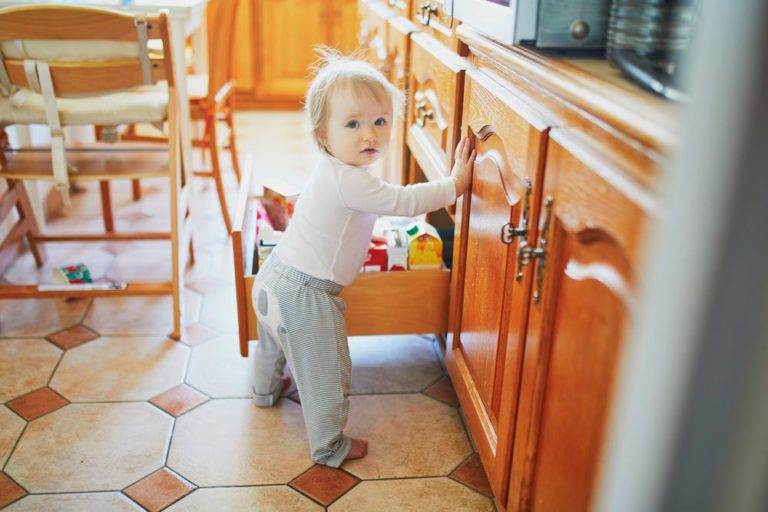
Kids are naturally curious and love to explore the world. While this awakens their inner scientist, it also works against us by making the entire household a potential accident zone. Unfortunately, such accidents around the house are quite common, and while most parents attempt to childproof their house, there is always something we miss. 

One of the riskiest things that need to be childproofed is electrical outlets. To keep our children safe, we need to ensure there aren’t any exposed electrical outlets around the house that they can reach.

To help you with ways to protect your little ones from potential dangers associated with electrical outlets, we asked the experts to share their advice;

Sliding Covers

Many people use plastic caps to cover pronged outlets, but those are actually pretty easy for toddlers to remove, so I would recommend sliding outlet covers instead. These covers automatically cover the outlet when not in use and are proven to be much safer for children. If you have outlets that are not frequently in use, I would recommend simply getting shields that cover the entire surface. 

Another point of concern is power strips, but luckily there are power strip covers that can protect children from accessing or being hurt by any part of the strip.

Brian Donovan, CEO Timeshatter

Outlet Covers

High-voltage appliances obviously draw a great deal of power. A shock conducted from a plug or outlet of that voltage could instantly stop the heart of a small child. It’s important to prevent injury and worse, and fortunately, you can do so with some simple items. Outlet covers are the most useful. Toddlers love to get into everything, so childproof outlet covers will prevent them from sticking their fingers in the outlet.

Power strips and plug covers are also useful. I recommend keeping the electrical tape in your arsenal, too. If you notice fraying of any cord, immediately tape it up while you look for a replacement.

Christen Costa, CEO Gadget Review

Transfer Appliances To Hard To Reach Places

We had to move any appliances that could be easily reached by our tabby (in between baby and toddler phase kid). It was a little bit of a hassle as we also had to find cord extensions and shift more things around in the house, but safety was our ultimate priority, so we didn’t really mind doing it. 

Cover Electrical Sockets

We used a socket cover for some, but for most, we had this sort of narrow coffee table with a shelf underneath. We placed a lot of toys on top as a distraction, then some boxes for the separate shelf, and finally covered the shelf underneath it with a cat mesh. We made sure that it was secured around the shelf so our tabby then wouldn’t be able to pull it off.

Julie Ann Ensomo, adaptablemama.com

Hide Your Outlets

The first thing to do is to always hide your outlets, power strips, and cords as best as you can so that they are out of reach for children. But, you won’t be able to hide everything, so you will have to find covers and other protection for anything left exposed. 

Many use basic plug caps for their outlets, but those are actually easy for kids to remove, so consider buying ones with smart locking technology. For any outlets that are exposed and in use, use outlet covers to encapsulate the entire outlet and what is plugged into it.

Andre Kazimierski, CEO Improovy

Outlet Plugs With Tamper-Resistant Receptacles

The best way to childproof High Voltage Appliances is to install outlet plugs with tamper-resistant receptacles so children can’t chew on the receptacle. Plug some high voltage appliances out of reach. 

Many have inaccessible outlets, but for those that don’t, you can purchase inexpensive plastic or metal covers at your local hardware store that cover both the outlet and access to electrical cords leading into it (that way, kids won’t be able to use the cable like a rope). 

Mo Mulla, Founder Parental Questions

Safety Plugs

Children are extremely curious creatures who love to stick objects into electrical outlets and play with power plugs and leads. It is important to make sure that you protect them from the electrical dangers in your home. 

Safety plugs can be used to fill any empty electrical outlets. They are easy for adults to place into the socket and remove when needed. Another option is an electrical outlet safety cover that prevents the child from pulling out the plugs and turning the switches on or off. These are bulkier than the safety plugs, but the major benefit lies in the ability to continue to use the outlets while the cover is in place.

Randall Williams is the Founder of Aegis Safe, a fire safety service company. He specializes in building and fire safety services.

What Are The Best Outdoor Security Cameras

The best outdoor security cameras are not only tough but also provide you with clear video so you can see what’s going outside your house, no matter if it is day or night. Some need power from an outlet; others run on battery alone, and some even come with lights. Here are the best outdoor security cameras. Let’s take a look at them:

Nest Cam (battery)

Thanks to its weatherproof design and magnetic base, the Nest Cam is one of the easiest home security cameras to install. With 1080p resolution, sharp images day or night, it is an excellent choice for your outdoor surveillance needs!

The Nest Cam is a great security camera. With its battery-powered design, three hours of rolling video storage, and person/animal detection capabilities, it’s perfect for renters who want to protect their place without expensive installation costs. In addition, the free service offers easy uploading options so users can watch live footage right away OR save batches up over months if necessary.

Arlo Ultra 

The Arlo Ultra is not just the best outdoor security camera for when you have to watch over your property 24/7. It also has many other features that make it easy and intuitive to use, including spotlight recording at night or dual microphones so that sound won’t be an issue during playback!

The Arlo Ultra is an amazing security camera system with lots of features. It can be wired, but it also comes equipped for battery life-sapping power shortages or natural disasters like hurricanes using solar panels (which sell separately). One downside: You’ll have to pay extra if you want 4K video recording resolution!

Wyze Cam v3

Do not let the low price fool you; this is one of our favorite budget-friendly home security cameras. We like that it offers 1080p video and impressive color night vision, despite not having 4K resolution or another feature set comparable to Arlo’s offerings in terms of cost per camera pixel ratio (CPCRP).

The Wyze Cam v3 has a microSD card slot and is perfect for creating time-lapse videos with its continuous recording capability. The free cloud storage lasts two weeks, but you can upgrade to unlimited length video by subscribing to the Wyze Plus service ($1/month per camera). This will enable faster shipping since they’re limited right now!

We hope this blog post was interesting and informative for you. If you want to read more such articles, visit: Be-Safe

Where To Buy DIY Home Security Systems

The best way to ensure that your home is safe and secure is self-installation. You caan set your DIY home security system at very reasonable rates. Here the question is; where to buy DIY home security systems?

Well, you can buy a home security system online and in-stores. Here are a few brands offering the best home security systems. Let’s take a look at them:

SimpliSafe Home Security

SimpliSafe has been one of the best DIY home security systems to hit store shelves, and it has become an affordable alternative for those who are interested in protecting their property without paying the fortune. The wide variety of accessories makes Simplisafe an easy choice when compared with other professional alarm companies like ADT that charge upwards of $500 per month. You can purchase your starter kit for around $200.

SimpliSafe is the best choice if you want an easy-to-use DIY alarm system. You still have to pay at least a $15 monthly fee for remote access, but their impressive array of accessories such as key fob and motion sensors will make your automation dreams come true!

Wyze Home Monitoring

Wyze Home Monitoring is a great option for those on a budget. The base kit includes two door/window sensors, motion detectors, and keypads, as well as a siren that costs $80 (up from its original price tag of just 50 dollars). Add an additional five bucks per month if you’d like professional monitoring services too! For only $60 more than this starter package deal, customers can get their cameras monitored while also getting discounted prices when purchasing other items such plus trimmings in the store at up to 30% off.

Abode

Abode is the perfect solution for those who want an easy yet complete home security system. With all of our sensors and devices to make your life easier (motion sensor, door sensor) plus voice-enabled features like Alexa compatibility or IFTTT automation capabilities, you’ll never have to worry about forgetting anything again! For only $20 per month with cellular backup service available, why would anyone go without it?

We hope this blog post was helpful for you. If you want to read more such informative articles, visit Be Safe