Home Blog Page 15

Protecting Children From Predators: Essential Steps to Ensure a Happy, Safe Childhood

As a parent, you try to keep your children safe from all forms of harm. No one likes to think about the dangers lurking online and in our neighborhoods, but it’s always better to be prepared. If you are a guardian, teacher, or parent, you have to know how to protect children from predators. 

Some child predators are very smart, and their tactics are very clever and deployed over a long period of time. Children can also be easily tricked into a false sense of security, even after being taught about “stranger danger”. 

Many of the tips our parents gave us are obsolete today as the world has changed dramatically since we were young. 

How to Protect Children From Predators 

There will always be predators and nefarious people that want to do your children harm – and they may not look or act in a way that you expect. In many cases, both parents and children are groomed by the predator, which is why you need to remain vigilant. Protecting children from predators always starts with educating yourself and your children. 

Don’t Focus on Stranger Danger

It’s important to tell children to stay away from strangers, but it’s important to explain exactly what a stranger is. Predators know that parents warn children not to trust people they don’t know, which is why they would approach a child in a friendly way and say that they are friends, neighbors, or co-workers of the parents. That can be all it takes for a child not to see someone as a stranger. Explain to your child that it doesn’t matter whether or not they recognize the person or whether they seem nice or not. They should never leave with someone (even a friend of the family) unless they are given express permission by their parents. 

Don’t Overshare

Mommy blogs and influencer Instagram accounts have normalized sharing every detail about your life with total strangers. It’s important to keep your child safe from predators by not sharing their real names and details about their school, friends, or teachers online. These details can be used to build trust with a child over time and even track their location. Some parents make a policy not to share their children’s images online either. It’s a good idea to carefully check who can see and follow your personal social media accounts and to stay as private as possible to protect your child from predators. 

Teach Children That Adults NEVER need their help

Keeping child safe from predators means educating her or him about boundaries and tactics predators may use. Teach children that adults never need help from kids and that it’s wrong for them to ask them to help them with a sick puppy or to carry something to their car. If they are approached and asked to help, they should fetch an adult right away. We may never know how to keep kids safe from predators altogether, but we can give them tools to protect themselves at all times. 

Use Code Words

Share a code word phrase or emoji that kids can use to confirm that a parent is allowed to pick them up from school. Similarly, if your child is at a playdate or sleepover and feels uncomfortable for any reason, they should text you a random emoji to let you know. This will act as a code for you to make up an excuse to fetch them wherever they are. Children don’t want to offend or disappoint their friends, so make sure that you are the “bad guy” in the scenario. You can respond to the text by saying, “I see you didn’t do your chores before the sleepover like I asked – I’m sorry, but you’ve lost your privileges, I’m coming to get you.”

That way your child doesn’t have to tell their host that they are uncomfortable or scared. 

Now that you know how to protect children from predators, you have to keep learning and stay ahead. Always follow safety precautions and try to stay informed about the latest tactics. If you are concerned about another adult’s interest in your child’s life, use a platform like Radaris to look up their information. It’s a small step that can provide peace of mind. 

The Best and the Safest States to Live in 2022

10

The best places to live in are undoubtedly the most affordable, the safest and which can provide the best quality of life in general. So which states do the real estate experts recommend? Consulting them, we got a list of the top states to live in this year;

If we base it on the low violent crime rank and low property crime rank, perhaps the top states that I can think of are Maine, Idaho, and New Hampshire. But as a realtor, I gather the results from Bankrate, and tally the best states for retirement and at the same time have a low crime rate and offer a high-security level.

I recommend the following states:

  1. Wyoming

Wyoming has an overall rank of 6 and has a crime rank of 7. In the past 3 years, crime rates in Wyoming have remained under average. You can check out Worland and Torrington, as they flagged the safest cities in Wyoming. 

  1. New Jersey

New Jersey has a crime rank of 3 and is in the top 18 best states to retire. In terms of health care and education, New Jersey has high to offer. You can safely visit New Jersey, especially River Vale and Sparta.  

  1. Rhode Island

Lastly, Rhode Island has a crime rank of 7 and is the top 22 best states to retire. Rhode Island remained one of the lowest crime rates in the country. Aside from this, this state has good access to health care. You can visit Bristol and South Kingston as their top safest cities. 

From the list above, even if those states are at the top, being secure and safe usually starts from you. If you are always ready and have precautionary measures in any events around you, then you can confidently feel safe.

Dino DiNenna, Realtor & Owner Southern Lifestyle Properties; Hilton Head Real Estate

  1. Michigan, Illinois, Utah, Ohio and Maryland

When looking at the safety of a location, most people focus on crime rates. However, don’t forget to also factor in natural disaster risk. With climate change, increasingly more places are at-risk. From increased home insurance premiums to disaster cleanup, the costs of living in one of these areas can be huge. 

Most states do not require real estate agents or sellers to disclose to buyers whether the home is in a hazard area or even if the home has already undergone damage from a disaster. You’ll want to do your own research about the area’s risk of flood, hurricanes, wildfire, earthquake, tornado and drought. You can also order a Natural Hazards Disclosure (NHD) report, which will usually cost around $70 to $100. It’s a small price to pay for your future safety.

States with a low natural disaster risk include Michigan, Illinois, Utah, Ohio and Maryland. Maine and New Hampshire are also quite safe from natural disasters, though they often have winter storms.

Diane Vukovic, a disaster preparedness expert who writes for Primal Survivor 

When choosing to relocate to a new and unfamiliar place, you will look at affordability, safety, and quality of life. I think some of the best states for living peacefully are in the Upper Midwest and Northeast regions of the nation. 

  1. Wisconsin

Wisconsin is a beautiful state, whether you’re south in Madison or up north on Lake Superior, the crime rates are constantly low and the cost of living is affordable for the average American. 

  1. Maine and Some Areas of Massachusetts

Similarly, Maine and certain areas of Massachusetts can be extremely affordable while also providing a harmonious quality of life. It’s all about weighing the pros and cons of a new place, and visiting the property/area prior to moving! 

Leonard Ang, CEO of iPropertyManagement 

  1. Idaho

There are different matrices for choosing the best place to live in, which include: Cost, quality of living, safety, education, health facilities and many more. When we come to these features, different states show different specialties. However, considering the affordability, quality of life, and safety; the best state to live in America would be Idaho.  

The best thing about living in Idaho is that it is one of the safest states in America. In this state, both the violent crime rate and the national crime rate are quite low. The violent crime rate is only 0.27% compared to the national average of 0.45%, and the property crime rate is also 2.13% only. 

Besides the peace and safety of the state, you will just love the tight-knit community, better job opportunities, and easier access to the outdoors. Surprisingly, after all this, the state would cost you a much lower cost of living! The city is a great place for creatives as it promotes affordability and an entrepreneurial spirit. The tech scenario is growing fast too, as a lot of young talents from around the country are flocking to this city. 

To summarize, if you are looking for a work-life balance along with some fresh air and adventure, Boise might just be the right place for you to live in! 

Dawn Templeton, Owner & Real Estate Broker Templeton Real Estate Group

  1. Utah, New Hampshire, Massachusetts, Maryland, Colorado, Washington, Virginia, New Jersey

Some of the best states to live in the US are- Utah, New Hampshire, Massachusetts, Maryland, Colorado, Washington, Virginia, New Jersey, etc.

These states are recommended because of the following factors.

  • Population density: Some of these states are denser in population, which means they will probably have more people around their area. So those looking for open spaces should keep this in their mind. 
  • Median income: The higher-income people have in the state, the better life they live. Some of the higher-ranking states have fewer taxes. 
  • Lower crime rate: No one likes to live in states where the crime rate is high. So you can definitely prefer these states because you won’t find much crime here. 

Hilda Wong, Founder Content Dog

What Are Rear-facing Child Safety Seats?

Rear-facing baby seats are required for babies and infants. Compared to being unrestrained, this reduces the chance of death or injury in a crash by 90%.

An infant’s head, neck, and spine are better protected in rear-facing chairs than in forward-facing seats. As a result, keeping your child in a rear-facing seat is preferable for as long as feasible. Only move them to a forward-facing seat once they can sit up unassisted.

Also, when they have reached the seat’s maximum weight limit or are too big for the seat (typically when the top of the child’s head is higher than the seat’s top). Alternatively, you might use a larger (group 1 or group 2) rear-facing seat.

Rear-facing baby seats contain a shock-absorbing interior and a five-point harness (some have a three-point harness) to keep the child secure. Take your time getting your kid strapped in and ensuring the harness is properly set. Your baby’s shoulder should be roughly 2cm below the top of the harness. 

Only one or two fingers should be able to fit between the baby’s chest and the harness when it’s on. The harness buckle should not cover the child’s tummy. Clothing can alter how snugly the harness fits, so make sure to check it before each trip.

If you’re using an i-size seat, ensure your child is rear-facing until they’re 15 months old. Rear-facing seats can be installed in either the front or rear of the vehicle, but it is safer in the back. If there is an active passenger airbag, DO NOT put them in the front passenger seat.

Rear-facing Child Seat Types

  • From birth to 6 months, group 0 is for babies weighing 10 kg.
  • Group 0+ for babies of 13 kg from the time of birth until the age of 12-15 months
  • Groups 0+ and 1 are for babies weighing 18 kg, from birth to four years.
  • Group 1 for toddlers weighing 9 to 18 kg, or around nine months to 4 years old.
  • Groups 1 and 2 are for 9 kg to 25 kg toddlers or around nine months to 6 years old.

Visit our blog page to learn more about the benefits of rear-facing child safety seats.

How to Make Your Front Door Burglar Proof

How easy is it for an intruder to break through your front door? Here’s how to tell if your front door is secure and some tips on how to keep your home protected.

If an Intruder Can Break in With Minimal Effort

Intruders are more likely to break in if it looks like there’s an easy way in. Is your house surrounded by a lawn, trees and shrubs that reach the front door? This makes an easy hiding spot so burglars can’t be seen breaking in.

An unlit pathway makes it easy for intruders to reach your front door. If you keep your spare keys under the mat, have open windows within reach of the door and a big pet door that opens wide, chances are someone can easily get in.

9 Ways to Deter Potential Intruders

Front-door safety is about securing the door and providing deterrents to discourage intruders from entering. Here are some methods to ensure that intruders don’t make it to the front door at all.

1. Install a Doorbell Camera

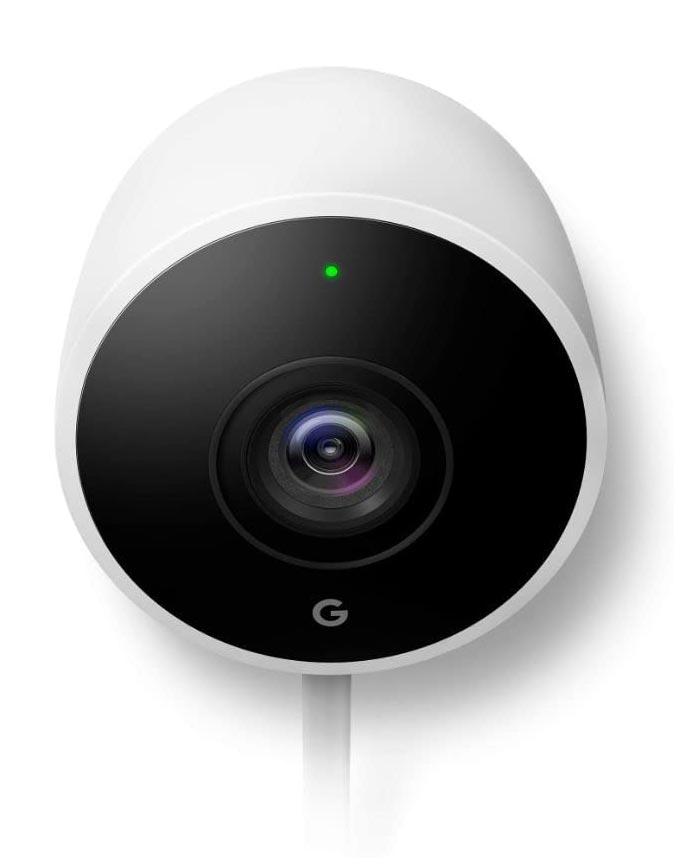
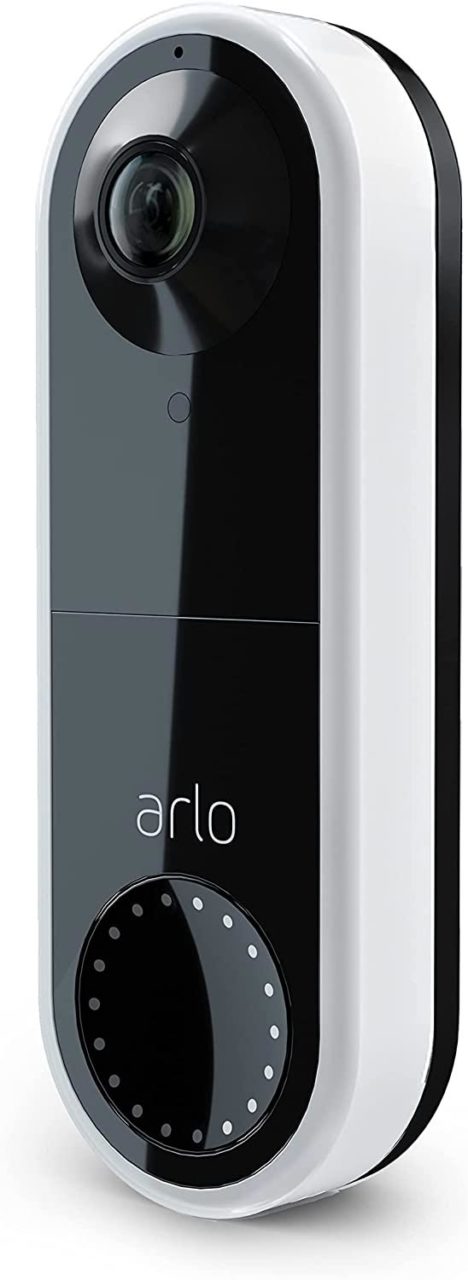
Invest in a doorbell camera so you can easily monitor your front porch. With two-way audio, you can shout a warning if unwelcome visitors approach. Doorbell cameras also collect footage, so if someone tries to break in, you have their face on camera and can hand it over to the police. It’s also a good idea to get a camera with night vision so you can see details, even in low light.

2. Get a Smaller Pet Door

Intruders may view a large doggy door as an opportunity to enter the house without breaking anything. Although it’s rare, you want to cover all your bases. Install a smaller door, get a locking system if you need protection for extended periods or pick a different spot on a wall behind vegetation.

3. Lock Your Mail Slot

To protect your house from intruders, you’ve got to be creative and think like them. One of the sneaky ways an intruder can attempt entry is through the mail slot. Install a box or cage to prevent them from inserting a wire and chord to unlock your door from the inside.

4. Get Motion Sensor Lights For Your Yard

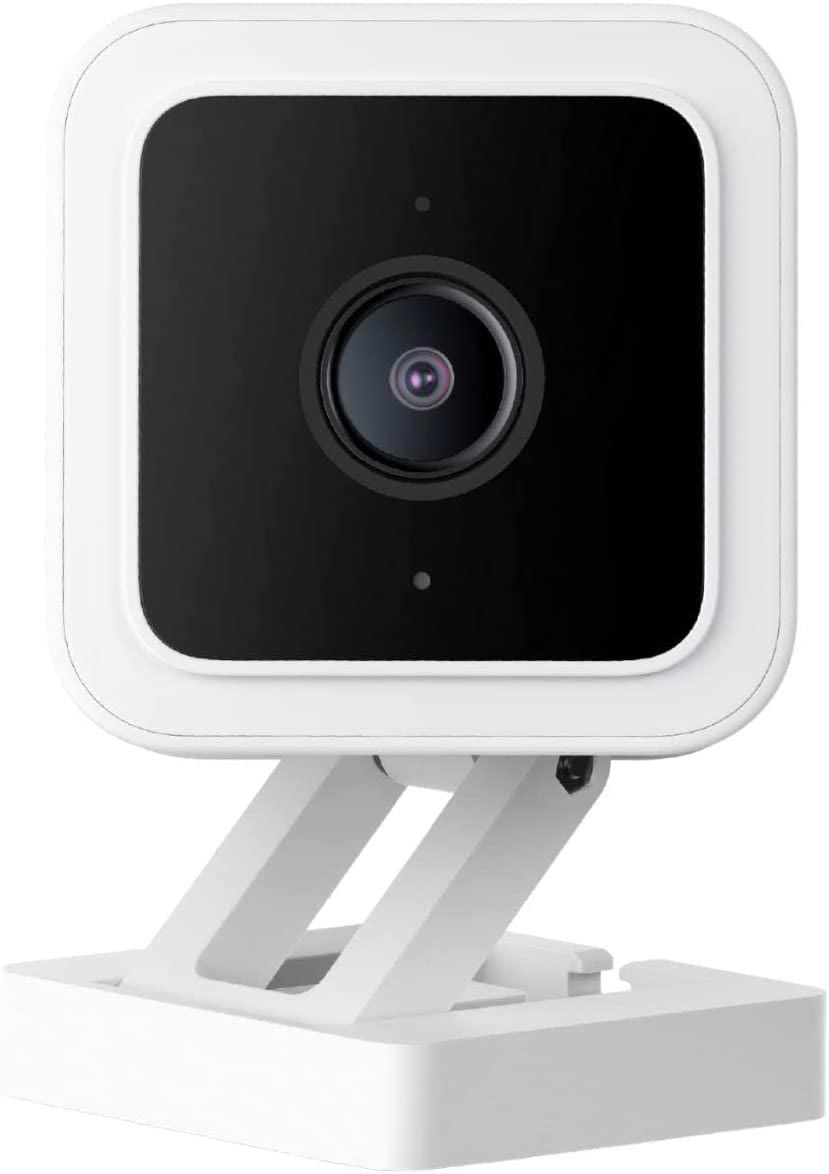
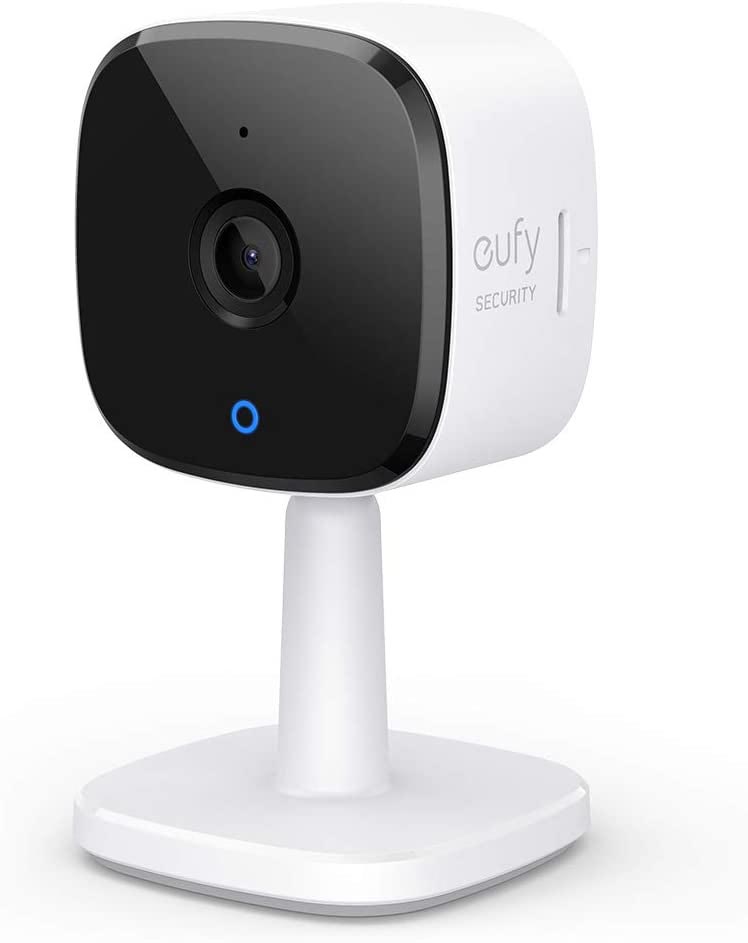
The more light there is, the harder it is to cover up ill-intended actions. Look for motion-sensing flood lights that produce 2,000 lumens, enough to scare someone away. You may also want lights with cameras to keep an eye on your house, even if it’s just to check on your pets during the day. A good camera will have radar detection and smart alerts to distinguish between animals, vehicles and packages.

5. Change Your Door

The most durable and secure doors are made from steel or solid-core wood. If anyone tries to kick the door down, you can rest assured it won’t break.

If you choose steel, ensure the door has insulated foam in the core, as they’re more likely to absorb cold and heat due to steel’s conductive properties. Otherwise, steel is notable for its sturdiness and resistance to inclement weather. Plus, a new modern door can significantly increase your home’s curb appeal.

6. Reinforce Your Door

In addition to a sturdy front door, it’s a good idea to reinforce your front door with security braces like a flush deadbolt, barricade bars or door jammers that will make the door unmovable. It may also help to have a security screen. You can get a one-way screen that blocks visual access from the outside but allows people inside to see everything clearly.

7. Install Smart Locks

Take advantage of the high-tech security smart locks available to protect your home. Unless an intruder is an advanced safe-cracker trained in locksports, it’s much harder to guess a code than to pick the lock. Even if you are forgetful, you can always unlock the door with your phone or tablet.

This method also works well if you have temporary tenants. You give them a unique code and when they move out, you change it for improved security.

8. Try Bump Resistant Locks

Prevent intruders from unlocking your door with the bumping technique – inserting a special key or hammer into the lock and forcing the pins in the lock cylinder to open the door. Bump-proof locks remove the pin mechanism, making it harder to use a bumping key.

9. Electronic Pet Door

Give your pet their own copy of the keys with an electronic pet door. No need to worry about stray raccoons when Buddy has a chip or signaling device in his collar to unlock the door only when he approaches.

Newer doors can even detect and prevent access if your pet often brings back critters as gifts. Go for a directional door that only unlocks when your pet walks towards it, so it’s not sliding open whenever they’re near it. Some options allow you to lock and unlock remotely or track your pet’s movement.

Make It More Difficult to Break In

Front doors are still the most common entry points for burglars. Yours can be nearly impenetrable with some security additions and extra attention paid to any potential vulnerabilities.

Advanced Access Control Systems for Modern Businesses: Trends and Technologies

6

The need for advanced security solutions is more pronounced than ever. The pace at which technology evolves and the sophistication of threats increase necessitates a dynamic and robust approach to safeguarding assets, data, and personnel. This underscores the importance of a well-rounded security strategy, where every component plays a critical role in the overall protection of a business.

At the forefront of these strategies is the implementation of access control systems. These systems are not just about restricting access; they are about enabling the right kind of access, ensuring that only authorized individuals can enter specific areas of a business. From simple electronic keypads for a single entry point to complex networked systems that cover multiple buildings and integrate with other security measures like CCTV and alarm systems, access control is versatile and scalable.

The significance of access control systems in a comprehensive security strategy cannot be overstated. They provide a seamless way to manage entry points, monitor movement within premises, and even track attendance. Moreover, in the event of a security breach, access control systems can offer valuable data that can help in understanding how the breach occurred and in preventing future incidents. As businesses continue to navigate an ever-changing threat landscape, the role of access control systems as a cornerstone of security strategies becomes increasingly crucial, offering not just protection but also peace of mind.

Why Upgrade to Advanced Access Control Systems?

Conventional access control measures, while foundational in securing premises, often fall short in addressing the complex security challenges of today’s dynamic business environments. Traditional systems, such as mechanical locks and keys, lack the sophistication needed to provide real-time insights and adaptability, presenting significant limitations in security, flexibility, and efficiency.

Advanced access control systems, on the other hand, offer a leap forward in securing business assets and personnel. These modern solutions transcend the basic function of granting or denying entry, evolving into intelligent security networks that integrate seamlessly with other systems for a holistic security approach. Here’s how they redefine security standards:

● Enhanced Security: Advanced systems employ multi-factor authentication, biometric verification, and encryption protocols, significantly reducing the risk of unauthorized access. By leveraging the latest in security technology, these systems ensure that only the right people have access to sensitive areas, thereby mitigating potential threats more effectively.

● Flexibility: Unlike their conventional counterparts, modern access control systems offer unparalleled flexibility, accommodating a wide range of authentication methods and devices. This adaptability extends to scalability, allowing organizations to expand their security infrastructure as they grow, without the need for extensive overhauls.

● Efficiency: With features like remote management, real-time monitoring, and integration capabilities, advanced systems streamline security operations, making them more efficient. Administrators can quickly update access rights, respond to security incidents, and generate comprehensive reports, all from a centralized platform.

At a time when security demands are ever-increasing, the transition to advanced access control systems is not just an upgrade; it’s a strategic necessity. These systems not only fortify defenses but also enhance operational efficiency and adaptability, ensuring businesses are well-equipped to face the security challenges of the modern world.

Cutting-Edge Trends in Access Control Technology

Access control technology is witnessing a surge of cutting-edge trends that are reshaping security landscapes, making systems more secure, user-friendly, and integrated than ever before.

Biometric Authentication is leading the charge in enhancing security measures. Gone are the days when a simple passcode or keycard sufficed. Today, fingerprints, facial recognition, and iris scans are becoming commonplace, offering a level of security that is nearly impossible to replicate. This biometric revolution ensures that access is granted based on unique personal attributes, making unauthorized access exceedingly difficult.

Mobile Access Control represents the convergence of security and convenience. With nearly everyone carrying a smartphone, these devices are becoming the keys to the kingdom, quite literally. Utilizing encrypted digital keys and apps, smartphones enable users to unlock doors with a simple tap or even remotely, blending seamlessly into our digital lives while offering a new layer of convenience and flexibility.

Integration with IoT (Internet of Things) devices is expanding the capabilities of access control systems beyond traditional boundaries. IoT allows for a smart, interconnected environment where access control systems can communicate with lighting, heating, and even safety systems. This integration not only enhances security but also improves efficiency and user experience, allowing for customized, automated environments that respond to the presence or absence of individuals.

These trends signify a move towards more personalized, integrated, and sophisticated access control systems that cater to the evolving needs of modern security demands, offering both enhanced protection and a user experience that aligns with today’s digital lifestyle.

The Benefits of Advanced Access Control for Modern Businesses

Advanced access control systems offer a plethora of benefits that are indispensable for modern businesses, emphasizing not just security but also operational efficiency and scalability.

Enhanced Security and Safety: The foremost advantage of advanced access control systems is the robust protection they offer for a business’s assets, data, and personnel. By employing sophisticated authentication methods, such as biometrics and encrypted digital credentials, these systems ensure that access is tightly regulated, minimizing the risk of unauthorized entry and potential security breaches. This enhanced level of security is crucial in today’s landscape, where threats are increasingly sophisticated and potentially devastating.

Operational Efficiency: Advanced access control systems streamline the process of managing access rights, significantly reducing the administrative burden associated with traditional systems. With features like remote management and integration with other security systems, administrators can quickly respond to changes, grant or revoke access, and monitor activity without manual intervention. This not only saves time but also enhances the responsiveness of the security infrastructure, ensuring that access control adapts seamlessly to the dynamic needs of the business.

Scalability: As businesses grow and evolve, so do their security needs. Advanced access control systems are designed with scalability in mind, allowing for easy expansion and customisation. Whether it’s adding more access points, integrating additional security systems, or updating authentication methods, these systems can adapt to the changing size and requirements of a business without the need for a complete overhaul. This adaptability ensures that businesses remain protected, no matter how complex or expansive their operations become.

Advanced access control systems are not just a security measure; they are an investment in the future-proofing, efficiency, and resilience of modern businesses​​.

Implementing Advanced Access Control: Key Considerations

Implementing advanced access control systems in a modern business setting requires careful consideration to ensure that the solutions are not only effective but also align with the unique needs and goals of the organization. Here are some key considerations to keep in mind:

Assessing Your Business’s Security Needs: The first step is to conduct a thorough assessment of your business’s specific security risks and vulnerabilities. This involves understanding the nature of the assets you need to protect, identifying potential threats, and recognising the unique challenges posed by your business’s layout and operations. For instance, a commercial warehouse or factory might prioritize securing entry points and sensitive areas to protect against theft, unauthorized access, and ensure workplace safety​​. Tailoring solutions to address these specific concerns is crucial for an effective security strategy.

Choosing the Right Technology: The access control market offers a broad spectrum of technologies, from keycards and PIN codes to biometric systems and mobile access controls. Each technology comes with its own set of advantages and considerations, such as ease of use, level of security, and integration capabilities. Businesses must evaluate these technologies in the context of their specific needs, considering factors like scalability, user-friendliness, and the ability to integrate with existing security systems.

Partnering with the Right Provider: The complexity of modern access control systems necessitates professional installation and ongoing support to ensure optimal performance and reliability. Choosing a provider with a proven track record, expert knowledge, and responsive customer service is critical. The right provider will not only offer expert installation but also provide ongoing support and maintenance, ensuring that the system remains effective over time and evolves with the changing needs of your business.

By carefully considering these factors, businesses can implement an advanced access control system that enhances security, improves operational efficiency, and scales with the organization’s growth, ensuring a secure and resilient business environment.

The Future of Access Control Systems in Business Security

The future of access control systems in business security is poised for transformative changes, with emerging technologies and trends shaping a new era of safety and efficiency.

Emerging Technologies and Trends: As we look ahead, we can anticipate the integration of more sophisticated technologies into access control systems. Innovations such as quantum computing and advanced encryption methods are expected to enhance security protocols, making systems more impervious to breaches. Additionally, the proliferation of smart devices and the Internet of Things (IoT) will likely lead to more interconnected and automated access control solutions, offering businesses greater control and insights into their security environments.

The Role of AI and Machine Learning: Artificial Intelligence (AI) and machine learning are set to play pivotal roles in the next generation of access control systems. These technologies promise to bring about systems capable of learning and adapting to security threats in real-time. AI could enable access control systems to analyze patterns, predict potential security breaches, and automatically adjust security measures to prevent them. Machine learning algorithms could also be employed to refine biometric authentication processes, making them more accurate and less susceptible to spoofing.

Furthermore, AI-driven analytics could offer businesses deeper insights into access patterns and security incidents, enabling more informed decision-making and proactive security management. This could lead to more personalized access control solutions that not only enhance security but also improve user experience by adapting to individual behaviours and preferences.

As these technologies continue to evolve and integrate, the future of access control systems in business security looks promising, with the potential to offer unprecedented levels of protection, intelligence, and adaptability.

Key Takeaways

In the exploration of advanced access control systems, several critical points have emerged that highlight their indispensable value to modern businesses:

● Enhanced Security and Safety: Advanced systems offer superior protection for assets, data, and personnel through sophisticated authentication methods and integration capabilities.

● Operational Efficiency: These systems streamline access management, significantly reducing administrative burdens and enhancing real-time response to security incidents.

● Scalability: The adaptability of advanced access control systems ensures they can grow and evolve with the business, accommodating changing needs without extensive overhauls.

● Emerging Trends: The future of access control is being shaped by cutting-edge technologies like AI and machine learning, promising even greater security, efficiency, and adaptability.

The landscape of business security is rapidly evolving, and with it, the technologies we rely on to safeguard our most valuable assets. Advanced access control systems stand at the forefront of this evolution, offering not just enhanced security but a comprehensive solution that addresses efficiency, scalability, and future readiness.

For businesses looking towards the future, the investment in advanced access control technologies offers long-term benefits that extend well beyond traditional security measures. These systems not only protect against current threats but are designed to adapt to the challenges of tomorrow, ensuring businesses remain resilient in an ever-changing threat landscape.

As such, businesses are encouraged to critically evaluate their current security posture and consider how advanced access control solutions could fortify their defenses, streamline their operations, and position them for success in the years to come. It’s an invitation to step into the future of security, where the safety of your assets, data, and personnel is not just a responsibility, but a dynamic, evolving practice that drives your business forward.

Armed Security Close Protection: The Critical Shield for Today’s Personal Security

0

Armed security close protection stands as an important component in safeguarding individuals against an array of threats. As personal security risks increase, people in high-profile positions or at heightened risk are turning to close protection services to shield them from harm. 

These services are customized to offer complete security, providing protection in any environment, from public appearances to private events.

Understanding Armed Security Close Protection

Armed security close protection involves highly trained professionals tasked with defending individuals from harm, especially when their safety is at risk. 

Unlike standard security personnel, close protection officers are specifically trained to handle potential threats, responding rapidly and efficiently. Their goal is not only to react to dangerous situations but also to proactively assess and neutralize threats before they escalate.

Specialists in this field are adept in predicting the movements of potential threats and planning accordingly, using strategic risk management tactics to prevent harm. Whether the client is a high-profile individual or someone at risk due to personal circumstances, these professionals are there to protect both the physical well-being and emotional peace of mind of their client.

The Growing Need for Armed Protection

The demand for armed security close protection has escalated due to any number of influences, such as the rise in organized crime, terrorism, and personal attacks on high-profile individuals. People in power or those with public visibility are often targets of criminal activities. 

This trend has given rise to an increased need for close protection services to defend against potential kidnappings, physical assaults, and other forms of violence.

In response to these dangers, security professionals have evolved their methods, combining highly specialized skills with the latest technology and strategies. 

A risk management strategy specialized to an individual’s specific needs can make certain potential threats are identified and neutralized, offering proactive defense rather than reactive measures. 

By continuously assessing threats, reliable private security services can provide peace of mind, knowing that security teams are actively protecting their clients at all times.

Training and Armed Security

A big part of armed security close protection is the extensive training that officers undergo. Physical endurance, tactical knowledge, and the ability to think clearly under pressure are necessary traits of close protection specialists. 

Their training equips them to handle different potential threats, whether through defensive driving, close-quarters combat, or the use of firearms.

Beyond physical skills, close protection officers are trained in strategic thinking. They develop plans that not only provide for the immediate safety of their clients but also work to avoid dangers by analyzing the surroundings. 

Close protection services frequently include the evaluation of environments, making sure that the routes, locations, and events their clients attend are secure.

The Complexities of Close Protection in Public Settings

Providing armed security close protection is particularly complicated when clients are in public settings. Maintaining a low profile while offering strong protection is necessary in these situations. 

Whether at an event or traveling through a crowded area, the objective is to keep the client safe while allowing them to maintain a sense of normalcy. Close protection services often employ discretion, operating smoothly behind the scenes to prevent attention or disruption.

In public spaces, close protection officers must be hyper-aware of potential threats, even those not immediately apparent. The ability to anticipate hostile actions in crowded environments is a skill that requires years of experience and an in-depth understanding of human behavior. 

Reliable private security services excel in keeping individuals safe while blending into the environment, making certain the client’s routine remains unimpeded.

The Use of Technology in Armed Security Protection

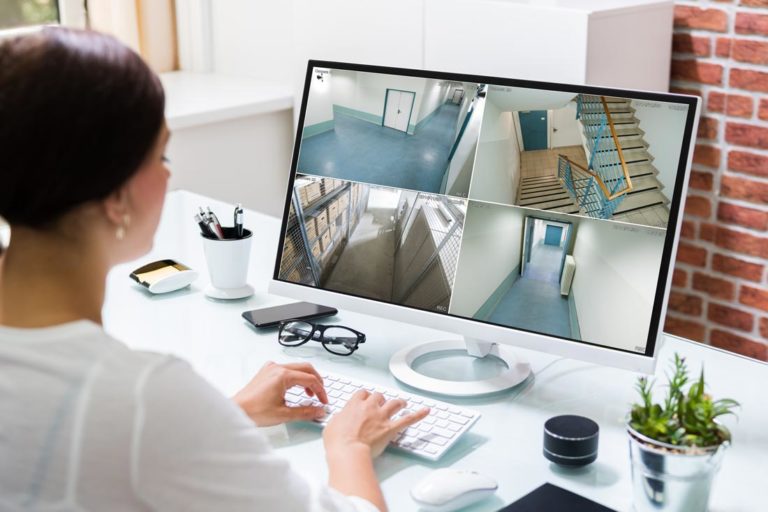
Today, technology plays a major role in armed security close protection. Security teams use advanced surveillance systems, communication tools, and real-time monitoring to stay ahead of threats. 

These tools allow officers to quickly assess situations, track individuals, and communicate across large distances, boosting their ability to respond to potential danger quickly and effectively.

GPS tracking devices, for instance, can help officers monitor a client’s movements, so they are always within a secure zone. Drones and other high-tech gadgets are used for aerial surveillance and to provide an overview of large crowds or areas that are difficult to access. 

These advancements work in tandem with a complete risk management strategy, which anticipates various potential threats and adapts the response to mitigate any danger.

Collaboration with Local Authorities

One of the biggest aspects of armed security close protection is collaboration with local law enforcement. While close protection officers are specially trained to handle immediate threats, they often work alongside police forces to make sure that broader security measures are in place. 

This collaboration can make a huge difference in preventing larger-scale threats, such as terrorist attacks or coordinated criminal activity.

A security team that works along with local authorities can gain access to intelligence and support that strengthens the overall protection plan. For example, law enforcement can provide details on potential threats in a given area, allowing close protection services to adjust their strategies accordingly. 

This partnership is particularly useful in high-risk regions, where security needs can be unpredictable.

Risk Management Strategy and Protection

The basis for armed security close protection lies in a detailed and well-thought-out risk management strategy. A thorough assessment of the risks involved, including potential threats and vulnerabilities, helps security teams devise the most appropriate protection methods. 

This strategy is customized to each client, taking into account their specific lifestyle, environment, and perceived risks.

For example, a celebrity attending a public event requires different protection strategies than a high-ranking executive traveling in unfamiliar or potentially dangerous territories. The security team assesses these risks and adjusts the protection plan to make sure of the highest levels of safety. 

Through constant reassessment, the security strategy alters as threats change, keeping the client secure throughout every stage.

The Need for Armed Security Close Protection in Modern Times

As the world becomes increasingly unpredictable, armed security close protection offers a necessary line of defense for individuals who face heightened risks. The complexity of modern threats requires a specialized approach, combining tactical expertise, advanced technology, and a carefully crafted risk management strategy. 

Whether protecting a client in public spaces or looking out for their safety while traveling, close protection services offer peace of mind to individuals who need it most.

By hiring reliable private security services, individuals can rest assured that they have experts guarding their safety, prepared to act at a moment’s notice. As security techniques continue to progress, the importance of having a trained and capable close protection team will only grow. 

With the right protection, individuals can continue their lives with confidence, knowing their safety is in expert hands.

What Are Child Safety Seats For Golf Cart?

9

The best way to keep drivers and passengers safe when using golf carts and LSVs is to follow the rules, especially if an inexperienced and licensed driver is behind the wheel. In addition, follow the manufacturer’s instructions. Allow no more than the recommended number of passengers, make no after-factory alterations, and never disable or adapt the speed governor of the cart.

Riding on a golf cart is enjoyable for children, but keep in mind that it is a moving vehicle, even if at a slow speed, and some safety precautions must be observed. Children should be taught to sit with their feet flat on the floor. If seatbelts are available, passengers should use them and hang on to the armrests or safety bars, especially as the cart is turning. Younger children should be placed in a forward-facing seat in the cart because they are more prone to tumble from rear-facing chairs.

Look for models with seatbelt systems and forward-facing seats if you’re renting or buying an LSV or cart to use with kids. The greater the number of safety features, the better. Also, make sure you understand what kind of car you’re renting and the laws in the place where you’ll be driving.

We’re all aware of the dangers of young riders’ heads colliding with the pavement when they fall from their bikes. Ejection from the car poses the greatest danger to children (and all passengers). If your children are riding in a golf cart or LSV, they should wear a biking helmet at the very least; it will protect them if they fall or are ejected from the cart.

Make sure that any relatives or friends caring for your children are aware of the guidelines. To some, wearing a seatbelt or a helmet in a golf cart or LSV may appear excessively cautious or unnecessary. However, golf cart accidents are on the rise, and there is a high risk of injury while falling or being ejected from the cart. Setting fundamental rules for your child’s safety while riding in a cart is similar to setting rules for bikes and autos.

Due to a lack of kid safety features, the Center for Injury Research and Policy at Nationwide Children’s Hospital recommends that children under six not be transported in golf carts. So, load up the cart with the big kids, grandparents, the cooler, and a billion beach toys, and go for a good long walk with the little one.

Why is a Child Seat Belt Important for Safety?

In a car, children are far more susceptible than adults, so taking the time to make sure you’re using the proper kid seat (restraint) or booster might save your child’s life. When drivers and passengers do not use seat belts, they are more likely to be killed or badly hurt.

You must use the proper car seat for your child in the following situations:

  • Automobiles
  • Mini buses
  • Vans
  • Other commercial vehicles

Any youngster under the age of 14 must wear a seat belt or the appropriate child restraint. Any kid restraint used must meet either Regulation 44.04 or Regulation 129 of the European Union’s safety regulations (also known as i-Size seats). All children up to 135cm (4ft 5in) tall or 12 years old (whichever comes first) must use a proper child restraint – that is, one that is appropriate for your kid’s height or weight.

For failing to use the proper kid restraint, a £60 fixed penalty fee and three penalty points are imposed. If the matter proceeds to court, the maximum penalties for every person in the automobile may be increased to £500.

Seat Belts Save How Many Lives?

Over 22,000 individuals were killed in vehicle accidents in 2019. Nearly half of the passengers in those vehicles were not wearing seat belts. If everyone had worn their seat belts, more people could have survived vehicle accidents.

Wearing a seat belt can cut the risk of major injuries in half. The usage of a seat belt decreases the number of people who die in car accidents by 45 percent. This translates to an average of 15,000 lives saved each year due to the use of seat belts.

To learn more, click here.

What Are the Child Safety Seat Requirements?

In the United States, all states require children to be secured in a car seat or booster seat until they reach a certain height or weight. This is because it’s important for your child’s safety and health that they are properly restrained while riding in a vehicle. It’s also required by law.

You may be wondering why it matters what type of car seat or booster seat is required for children in each state. The answer is simple. Different types of car seats are designed to protect children at different stages of development, which means they have different height and weight limits. So if a child exceeds those limits before reaching their next stage, they could be seriously injured in an accident because their restraint system no longer protects them properly. 

That’s why it’s important to understand what types of restraints are allowed by law where you live so that your kids will always be protected while riding in a vehicle. And don’t forget – even though some states allow certain types of restraints for older children, all states require infants and toddlers to ride rear-facing until they reach age 2.

Some states may require a car seat until the children outgrow their infant carrier’s maximum height or weight limit. This requirement applies regardless of whether the infant carrier has been approved as a rear-facing only model or as a convertible model with higher height/weight limits when used forward-facing. 

Recommendations from different organizations may apply but only if your state does not have its own specific requirements regarding age, weight, height, or other factors that may affect whether a particular type of restraint is safe for use by a given child at any given time during their growth process (for example, many states allow rear-facing infant carriers beyond 1 year old). 

If you do not see your state listed below please consult this website which has links directly into each individual state’s Department of Transportation website where you will find more information about local laws as well as for instructions on how best to install various types of restraints depending upon the size and age/weight range of your child.

Visit our blog section to learn more about the importance of following traffic and state laws.

What Are Child Safety Seats?

We know that safety is important to you. Child safety seats are designed with your little one in mind, and they are easy to install, comfortable, and safe. Car crashes are one of the leading causes of death and injury for children, but using a car seat is the law in every U.S. state. Because car seats save lives, you must use them correctly every time you drive with your child. 

The American Academy of Pediatrics recommends that all infants and toddlers ride in rear-facing convertible or combination seats until at least age two or until they reach the highest weight or height allowed by their particular seat (usually around 40 pounds).

The best car seat is the one that fits your child’s weight, size, and age. It also needs to be compatible with the vehicle’s make, so you don’t end up in an accident when driving around town or on long trips.

The rear-facing infant seat is designed to protect your baby from birth until they reach up 35 pounds (16kg) or up to the age of three to four years. This means that it will snugly fit them in a crash with their head supported and stay securely attached while protecting you against any angles or forces involved. A small child’s neck isn’t strong enough, so this position reduces the risk of death by 50%.

Kids who have outgrown their rear-facing seat’s height and the weight limit should use a harnessed seat for as long they can while still being protected by it until they reach 40lbs (18kg). Once this point arrives, parents will want them in either two different types of booster seats: A high back Booster that relies primarily on adult belts; And then there’s also an apostle type that uses both child safety belt systems.

Learn more about car seats and how they are important for children’s safety at our blog page.

What Age Are Safety Seats For?

10

You’ve probably heard that your child should stay in a booster seat until they are 8 to 12 years old. But did you know that most children will not fit in the adult seat belt alone until 10 to 12 years? That means it is important for kids to stay in their booster seats longer than many parents realize.

It’s important to ensure that children are properly restrained while riding in a vehicle. The American Academy of Pediatrics (AAP) has recommendations for all age groups. 

Rear-Facing Car Seat

Rear-facing car seats are important for young children because they allow you to keep your child in the seat longer and can reduce their risk of injury. Rear-facing seats are ideal for infants and children up to three years old. Infants of up to 12 months should always be placed in infant seats under different types. Once your child outgrows the rear-facing seat, you can move on to the other category of child safety seats, the forward-facing seat.

Forward-Facing Car Seat

Forward-facing seats are optimal for children ages 4 to 7 years; these seats are the best way to protect your child in the car with a harness and tether until they reach their height or weight limit. Once you know it’s time for them to move up into a booster seat, make sure that this happens from behind the wheel of our vehicle, not while riding shotgun.

Booster Seat

All children whose weight or height exceeds the forward-facing limit for their car safety seat should use a belt-positioning booster until they are 8 to 12 years old. Keep your child in this type of seat until they are big enough that it will no longer fit, typically when they reach about 4 feet tall without needing any extra support from another person sitting beside him on either side (as long as both front seat occupants have shoulder restraints).

Once your child has outgrown safety seats, you can move them to normal seats and make them safe by wearing seat belts.

Learn more about car seats and how they are important for children’s safety at our blog page.

How Much Are Home Alarm Systems?

A good home security system can bring you peace of mind when it comes to the safety and security of your family and belongings. That’s why most people who have them insist they’re worth every penny. But if you’re thinking of having one installed, you might be wondering about the average cost of a home security system.

The truth is that many factors go into determining how much an alarm will cost, including what type of equipment is included in the package and any additional features or add-ons that may be available to purchase separately. And while some companies offer free installation with their systems, others charge extra for this service – which can also affect pricing overall.

So before we dive into specifics on costs, let’s take a look at what goes into making up an alarm system so we can better understand how prices vary from provider to provider and product to product.

Cost Of Equipment

It’s easy to get overwhelmed by the plethora of home security equipment on offer. Some systems come with bare-bones, others have robust packages, and there are even à la carte options to pick what features suit your needs best.

However, costs vary depending upon how much protection (or lack thereof) one requires – starting at just $0 if no contract has been signed yet but going up significantly more than 600$ for an advanced package that includes everything.

Home Security System Monthly Cost

Most home security systems are a monthly fee for monitoring services. The cost can range from about $10 to 50 with prices depending on the amount of equipment being monitored and how advanced these features are in comparison.

Activation and Installation Cost

The price of a security system depends on the brand you purchase. Some brands don’t charge an activation fee, while others can cost as much $200-$300 for installation and setup alone.

Visit our blog page to learn more about different kinds of home security alarms.